
BAAM AI Blog
What Online Advertising Services Actually Include
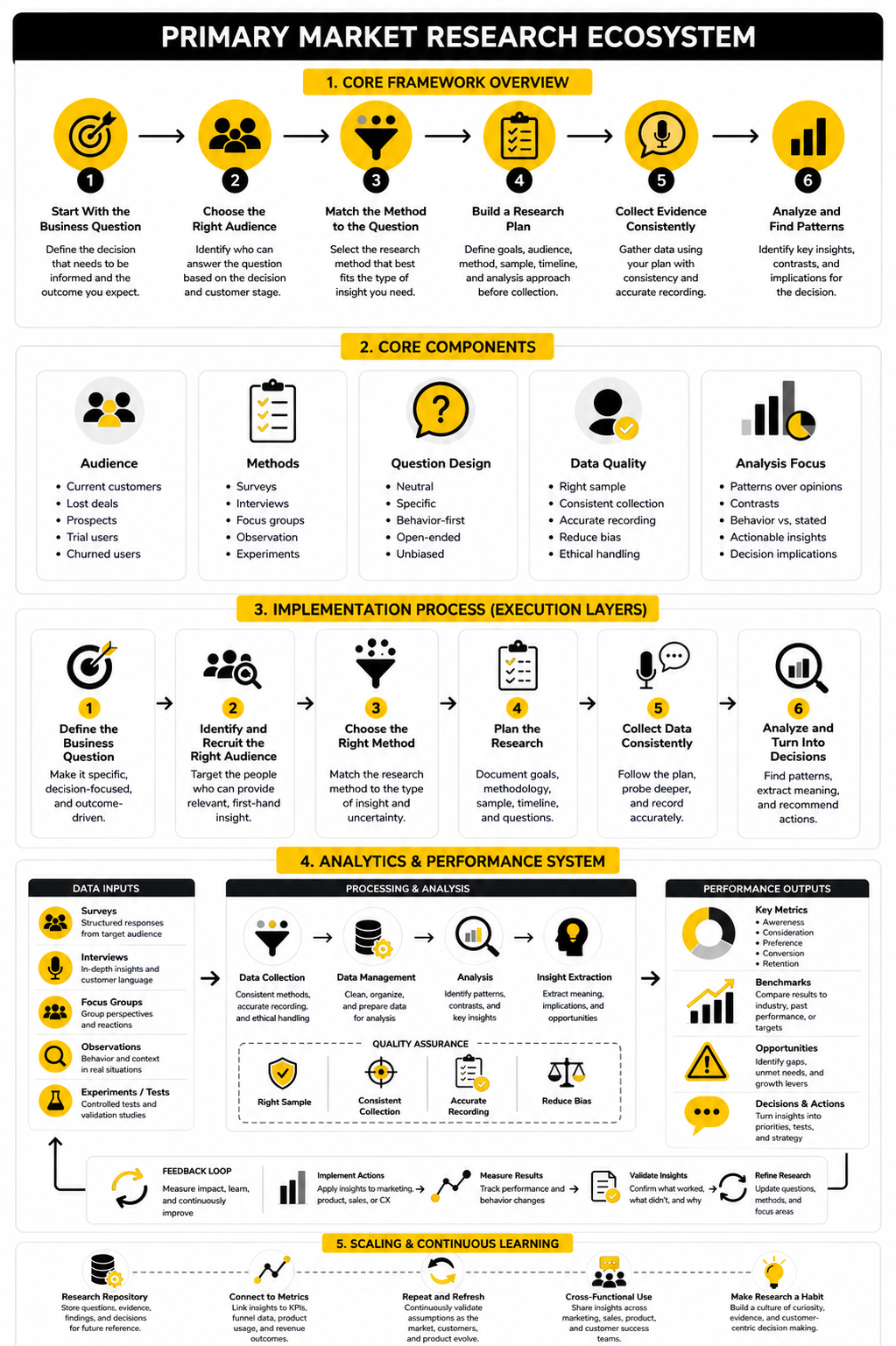
Online advertising services are not one single thing. They usually combine strategy, campaign setup, creative production, targeting, tracking, testing, and reporting into one system. That matters because buying ads...
What Online Advertising Services Actually Include
Online advertising services are not one single thing. They usually combine strategy, campaign setup, creative production, targeting, tracking, testing, and reporting into one system. That matters because buying ads without the system around them is how businesses burn budget fast.
At the basic level, these services help you get paid visibility on channels like Google, YouTube, Meta, TikTok, LinkedIn, display networks, marketplaces, and retargeting platforms. But the real value is not just “running ads.” The value is matching the right offer to the right audience at the right stage of intent.
A good provider should help with:
This is why online advertising services work best when they are connected to the full customer journey. The ad gets attention, but the landing page, follow-up, offer, and sales process usually decide whether the campaign becomes profitable.
Why Online Advertising Is Still Growing
Digital ads keep growing because buyer attention keeps moving through digital channels. Global marketers spent close to $1.1 trillion on advertising in 2024, and digital channels drove most of the increase since 2019. That does not mean every ad campaign works, but it does show where serious commercial attention is going.
The same pattern appears in the U.S. market. The IAB reported that internet advertising revenue reached nearly $300 billion in 2025, which was the highest level in the report’s history. Growth like that usually attracts more competition, so businesses need sharper strategy instead of simply spending more.
This is the uncomfortable truth: online advertising services are more useful now because ads are harder, not easier. Platforms have more automation, but buyers are more skeptical, creative fatigues faster, and tracking is less perfect than it used to be. The businesses that win are usually the ones that combine strong positioning with disciplined testing.
The Main Types Of Online Advertising Services
Search Advertising
Search advertising targets people who are already looking for something. That makes it one of the most direct forms of paid traffic because intent is already present. Someone searching for “emergency plumber near me” or “best CRM for agencies” is much closer to buying than someone casually scrolling a feed.
Search campaigns usually work well for service businesses, local companies, SaaS brands, ecommerce stores, and high-intent lead generation. The challenge is cost. Competitive keywords can become expensive quickly, so campaign structure, negative keywords, landing pages, and conversion tracking matter a lot.
Social Media Advertising
Social media ads are usually better for demand creation. Instead of waiting for people to search, you place the offer in front of a defined audience and use creative to create interest. This can work extremely well, but it requires more testing because people are not always in buying mode.
Platforms like Meta, TikTok, LinkedIn, and Pinterest reward strong creative. The targeting still matters, but the hook, visual, offer, and first few seconds often decide whether the campaign gets attention. For businesses that rely on conversations, DMs, or community-driven selling, tools like ManyChat can also help turn ad engagement into automated follow-up.
Display And Retargeting Ads
Display ads are the banners, placements, and visual ads people see across websites, apps, and networks. They are rarely the strongest cold-conversion channel on their own, but they can be useful for awareness and retargeting. Retargeting is especially valuable because it brings previous visitors back after they leave without taking action.
The key is not to overestimate display traffic. A banner ad rarely fixes a weak offer. But when display and retargeting support a strong search, social, or content strategy, they can increase familiarity and improve conversion rates over time.
Video Advertising
Video advertising has become central because platforms keep prioritizing video attention. YouTube, TikTok, Instagram Reels, and connected TV all give brands ways to explain, demonstrate, and build trust faster than static ads. That makes video especially useful for offers that need education before the sale.
The best video ads usually do not feel like polished corporate commercials. They feel clear, specific, and relevant. A simple problem-solution video can outperform a beautiful brand film when the message is sharper.
Funnel And Landing Page Advertising
Online advertising services should not stop at the ad account. If traffic lands on a confusing page, the campaign will struggle no matter how good the targeting is. This is why funnel strategy, landing pages, forms, booking flows, and checkout pages are part of the advertising conversation.
For businesses that need sales pages, opt-in funnels, webinars, or campaign-specific landing pages, tools like ClickFunnels, Systeme.io, and Replo can fit naturally into the advertising stack. The tool is not the strategy, but the right page builder can make testing faster.
What Makes An Online Advertising Campaign Profitable
A profitable campaign starts before the campaign is built. The offer needs to be clear, the audience needs to be specific, and the business needs to know what a lead or customer is worth. Without those numbers, ad performance becomes guesswork.
The most important metrics are usually:
Return on ad spend gets the most attention, but it is not always the best standalone metric. A campaign with a lower first-purchase ROAS can still be profitable if repeat purchases, upsells, or retention are strong. This is why serious online advertising services look beyond surface-level ad platform numbers.
The real goal is not cheap clicks. The real goal is profitable customer acquisition. That shift in thinking changes everything.
How To Implement Online Advertising Services The Right Way
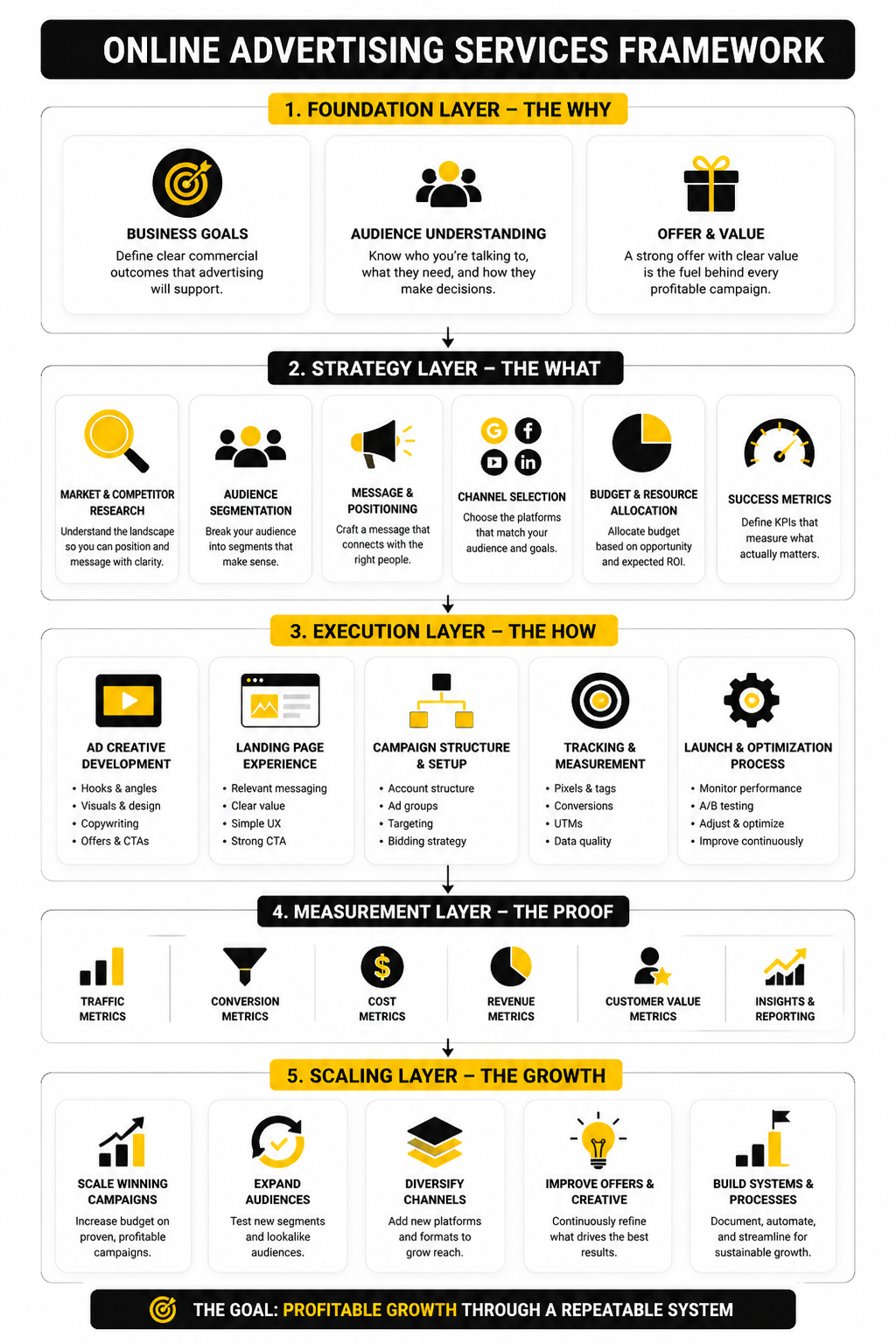
Implementation is where strategy becomes real. This is also where most campaigns get messy, because people jump straight into the ad platform before the offer, tracking, creative, and follow-up are ready. A proper online advertising services process should feel boring in the beginning because the foundation is being built before money is spent.
The goal is simple: reduce waste before the first click. You do that by making the campaign measurable, specific, and connected to a clear business outcome. If the setup is weak, optimization becomes guesswork, and guesswork gets expensive.
Step 1: Define The Commercial Goal
Every campaign needs one primary goal. Not five goals. One. That goal could be booked calls, ecommerce purchases, trial signups, quote requests, demo requests, app installs, or repeat purchases.
This decision shapes everything that comes after it. A campaign built for lead volume will look different from a campaign built for qualified pipeline. A campaign built for first purchases will look different from one built for repeat orders.
Before launching, define:
This is where many businesses need to slow down. If you do not know what a customer is worth, you cannot know what you can afford to pay to acquire one. That number is the difference between confident scaling and emotional budget cuts.
Step 2: Build The Tracking Before The Campaign
Tracking is not a technical afterthought anymore. It is part of the campaign strategy. Privacy changes, cookie limits, consent requirements, and platform modeling all mean that advertisers need cleaner data from the start.
Google’s own Consent Mode explains that tags adjust based on a visitor’s cookie or app identifier consent choices, which means tracking now depends heavily on how consent and tagging are implemented. Strong online advertising services should account for this before ads go live, not after performance looks confusing.
At minimum, tracking should include:
This is not about collecting data for the sake of it. It is about giving the ad platforms enough clean signal to optimize and giving the business enough visibility to make decisions. Bad tracking makes good campaigns look bad and bad campaigns look better than they are.
Step 3: Match The Channel To The Buyer’s Intent
The channel should match how the buyer behaves. Search works well when people already know they have a problem and are actively looking for a solution. Social and video often work better when the buyer needs education, desire, or a new perspective before they act.
This is why copying another business’s channel mix is dangerous. A local emergency service, a coaching offer, a SaaS demo funnel, and an ecommerce product launch may all need completely different media plans. The right channel is not the popular one; it is the one that fits the buyer’s stage of awareness.
A practical split looks like this:
If the campaign depends on booked appointments, a connected CRM and follow-up system such as GoHighLevel can make the execution cleaner. If the campaign depends on simple lead magnets or sales funnels, Systeme.io can be a leaner option. The point is not to collect tools; the point is to remove friction between click and conversion.
Step 4: Create The Offer And Landing Page Together
The ad and the landing page should feel like one conversation. If the ad promises a specific result and the page talks in vague company language, the visitor loses trust. That disconnect is one of the fastest ways to waste paid traffic.
A strong landing page usually answers four questions quickly. What is this? Who is it for? Why should I care now? What should I do next? If those answers are not obvious, the page is not ready for traffic.
The offer should also be concrete. “Contact us” is weak unless the buyer already has strong intent. A better offer gives the visitor a reason to act, such as a quote, demo, audit, checklist, consultation, trial, discount, or product-specific bundle.
Step 5: Launch With A Testing Plan
The first version of a campaign is rarely the winner. That is normal. The problem is when businesses launch without knowing what they are testing.
A clean testing plan isolates the most important variables. Test one major thing at a time when possible, such as the offer, creative angle, landing page, audience, keyword group, or bidding strategy. If everything changes at once, you may get a result, but you will not know what caused it.
A simple first testing cycle can include:
The review window matters. Reacting too quickly can kill campaigns before platforms collect enough signal. Waiting too long can waste money. A good advertising partner knows the difference between normal learning and a genuine problem.
Step 6: Connect Follow-Up To The Ad Strategy
Many campaigns do not fail because the ad is bad. They fail because the lead follow-up is slow, generic, or nonexistent. Paid traffic creates opportunity, but follow-up turns that opportunity into revenue.
This matters even more for service businesses and high-ticket offers. A lead who submits a form may also be comparing three competitors. If your response takes hours and another business replies in minutes, the campaign performance problem is not only inside the ad account.
Good follow-up can include:
For email-heavy funnels, tools like Brevo or Moosend can support the nurture side of the campaign. For appointment-driven campaigns, booking tools such as Cal.com can reduce back-and-forth and make the next step easier.
Step 7: Optimize Based On Revenue, Not Ego Metrics
Clicks, impressions, reach, and views are useful context, but they are not the scoreboard. The scoreboard is revenue, qualified pipeline, profit, or another commercial outcome that actually matters. This is where disciplined online advertising services separate themselves from basic campaign management.
Optimization should look at the full path. If click-through rate is strong but conversion rate is weak, the issue may be the landing page or offer. If lead volume is high but sales quality is poor, the issue may be targeting, messaging, qualification, or follow-up.
The best questions are practical:
That is how advertising becomes a system. You launch, measure, learn, improve, and scale what proves itself. Simple process. Serious discipline.
Statistics And Data
Data is where online advertising services either become accountable or turn into expensive noise. A campaign can look busy with impressions, clicks, and reports, but none of that matters if the numbers do not connect to revenue. Measurement should make decisions easier, not make the dashboard look impressive.
The digital advertising market keeps expanding, which means competition is not going away. U.S. internet advertising revenue reached nearly $300 billion in 2025, with 13.9% year-over-year growth. That matters because rising investment usually means more competition in auctions, more creative pressure, and less room for lazy campaign management.
Globally, digital channels now take the majority of advertising attention. WPP Media projected that digital advertising would represent 73.2% of total global ad revenue in 2025. The takeaway is not “spend more because everyone else is spending.” The takeaway is that your measurement has to be sharper because buyers are seeing more ads across more channels.
The Metrics That Actually Matter
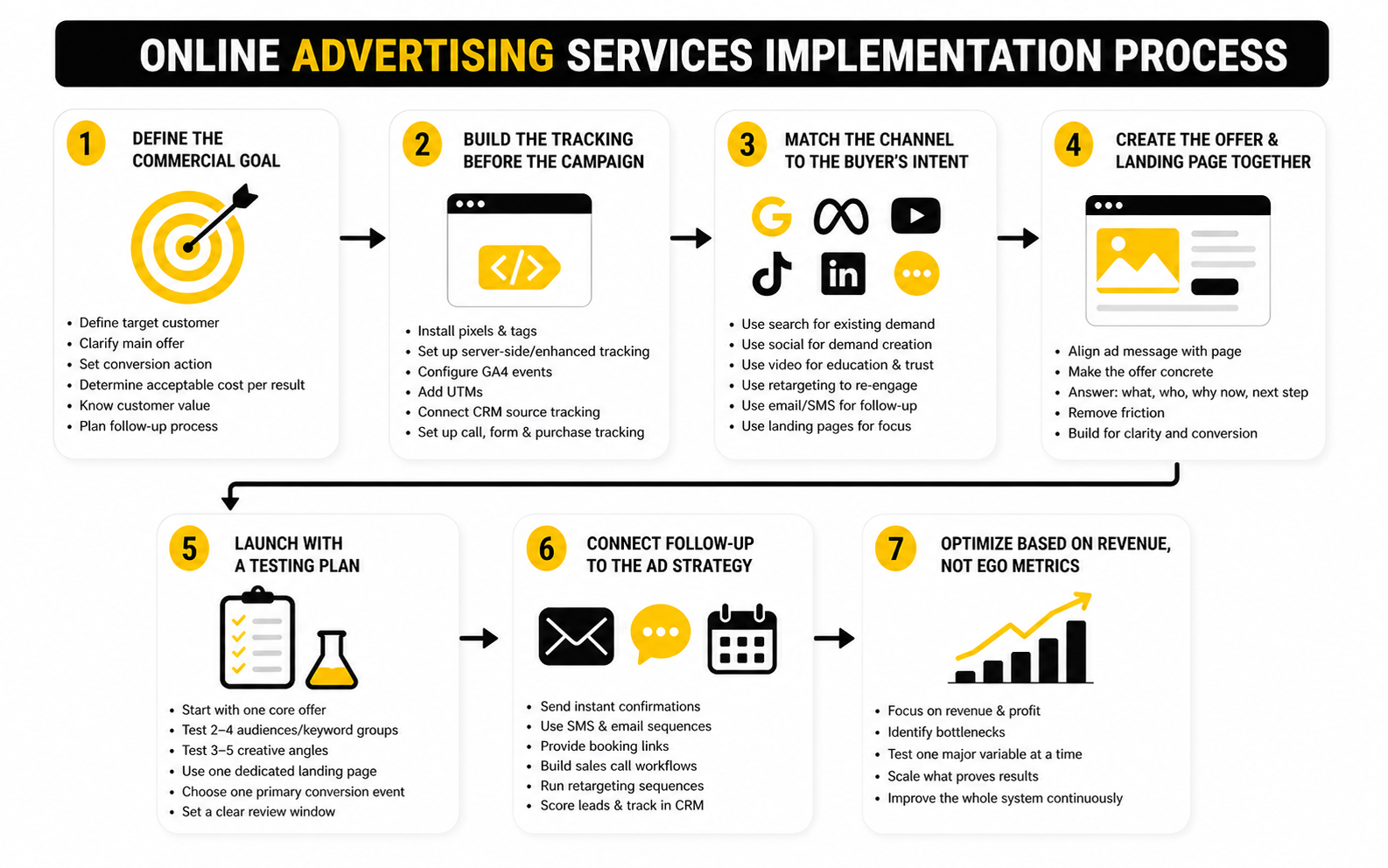
Most advertising dashboards show too many numbers. That creates a false sense of control. A good measurement system focuses on the few metrics that explain whether the campaign is attracting the right people and turning them into profitable customers.
The core metrics are:
Do not treat these metrics equally. CTR can help diagnose creative strength, but a high CTR with poor lead quality is not a win. CPC can help explain traffic cost, but cheap traffic is useless if it does not convert. CPA and customer value usually tell the real story.
How To Read Benchmarks Without Fooling Yourself
Benchmarks are useful, but they are not commandments. WordStream’s 2025 Google Ads benchmark data put the average Google Ads conversion rate at 7.52% across industries. That number can help you spot whether your campaign is wildly underperforming, but it does not automatically tell you what your campaign should achieve.
Industry, offer type, location, brand strength, sales cycle, and landing page quality all change the meaning of a benchmark. A legal lead, a $30 ecommerce product, a B2B demo, and a local dental appointment are not the same conversion problem. Comparing them too directly leads to bad decisions.
Use benchmarks as directional signals. If your conversion rate is far below your industry range, look at the offer, landing page, targeting, and traffic quality. If your CPC is high but your close rate is strong, the campaign may still be healthy. Context wins.
Why Platform Numbers Are Not Enough
Ad platforms want credit for results. That does not make their reporting useless, but it does mean you should not rely on one platform dashboard as the only source of truth. Attribution windows, modeled conversions, view-through reporting, consent settings, and cross-device behavior can all change what the platform reports.
A stronger system compares platform data with analytics, CRM data, payment data, and actual sales outcomes. If Meta says the campaign generated leads, the CRM should show whether those leads booked calls. If Google Ads reports purchases, your ecommerce system should confirm revenue and refund patterns.
This is where online advertising services need operational discipline. The ad account may show the front-end result, but the business system shows whether that result was valuable. That difference matters a lot.
What Performance Signals Should Trigger Action
Not every number needs an immediate reaction. Campaigns need enough data to show a pattern before you make big changes. The skill is knowing which signal points to which part of the system.
Use this as a practical guide:
This is why optimization should not be random. Each metric is a clue. The job is to find the bottleneck, fix that bottleneck, and avoid changing ten things at once.
Measuring The Full Funnel
A serious advertising report should show more than ad spend and conversions. It should show how people move from first touch to final revenue. That includes click, visit, lead, appointment, qualified opportunity, sale, repeat purchase, and retention.
For lead generation, this means connecting campaigns to the CRM. A platform such as GoHighLevel can help track leads, conversations, appointments, and pipeline stages in one place. For funnel-heavy campaigns, ClickFunnels or Systeme.io can make it easier to measure opt-ins, sales pages, order forms, and upsells.
For ecommerce, measurement should include new customer revenue, returning customer revenue, average order value, contribution margin, refunds, and blended marketing efficiency. ROAS alone can hide problems. A campaign can look profitable before product cost, payment fees, shipping, discounts, and refunds are included.
The Real Meaning Of A Good Report
A good report should answer three questions. What happened? Why did it happen? What are we doing next? If a report only lists numbers without interpretation, it is not management; it is decoration.
The best online advertising services turn data into decisions. They explain which campaigns deserve more budget, which creative angles are fatiguing, which audiences should be paused, which pages need testing, and which parts of the follow-up system are leaking revenue.
That is the whole point of measurement. Not more dashboards. Better decisions.
Advanced Strategy, Risks, And Scaling Decisions
Once the basics are working, online advertising services become less about launching campaigns and more about managing tradeoffs. More budget can create more revenue, but it can also expose weak margins, weak creative, weak tracking, or weak operations. Scaling is not just “increase spend by 30% and hope.”
The better question is this: what part of the system can handle more volume without breaking? If sales cannot follow up fast enough, more leads create chaos. If fulfillment is already stretched, more customers can damage the brand. If creative is tired, more spend simply shows the same weak message to more people.
The Tradeoff Between Automation And Control
Ad platforms are pushing harder into automation. Google’s Performance Max updates in 2025 focused on more AI-driven campaign features, while also adding more controls and reporting transparency for advertisers. That direction is clear: the platforms want machine learning to manage more of the bidding, placement, audience expansion, and creative delivery.
Automation can absolutely help. It can process signals faster than a human buyer and find patterns across large accounts. But automation still needs the right inputs, including clean conversion data, strong creative assets, realistic goals, and a business model that can tolerate the learning period.
The danger is treating automation like strategy. It is not. Automation can decide where to show ads, but it cannot fix a weak offer, unclear positioning, poor sales follow-up, or a landing page that gives people no reason to act.
Creative Fatigue Becomes The Scaling Wall
Many campaigns do not hit a budget ceiling first. They hit a creative ceiling. The audience has seen the angle too often, performance starts slipping, and the business assumes the platform “stopped working.”
This is why advanced online advertising services need a creative testing system, not occasional new ads when results drop. The strongest campaigns usually have a pipeline of hooks, formats, proof points, objections, and offers ready before fatigue becomes obvious. That gives the account room to keep learning without relying on one winning ad forever.
A practical creative system includes:
Creative is not decoration. Creative is targeting, positioning, and persuasion compressed into a few seconds. Treat it like a growth asset.
Privacy-First Advertising Is No Longer Optional
Measurement has changed because the web has changed. Consent rules, browser restrictions, privacy tools, and platform modeling all affect how campaigns are tracked and optimized. The businesses that adapt will have better data, and better data usually means better decisions.
This is why first-party data matters more now. Email lists, customer records, CRM stages, purchase history, quiz responses, booking data, and form submissions can help strengthen targeting and measurement without depending completely on third-party signals. The more direct the relationship with the customer, the more durable the advertising system becomes.
That does not mean collecting data aggressively. It means collecting the right data with consent and using it responsibly. Trust is part of performance now.
Brand Safety And Ad Fraud Need Real Attention
Cheap reach can hide expensive problems. Invalid traffic, low-quality placements, made-for-advertising sites, spoofed inventory, and brand safety issues can make campaigns look active while wasting money. This risk becomes bigger when budgets scale across display, video, programmatic, and connected TV.
IAB’s guidance defines ad fraud as invalid or fraudulent representation of impressions, clicks, conversions, or data events. In plain English, some of what appears inside an ad report may not represent real human attention. That is why serious advertisers use placement controls, exclusion lists, verification partners, supply path discipline, and regular traffic-quality checks.
Do not obsess over fraud to the point of paralysis. But do not ignore it either. If a campaign suddenly produces cheap clicks, strange placement data, poor session quality, or suspicious conversion patterns, investigate before increasing spend.
Scaling Requires Better Budget Logic
Scaling is not only about increasing the winning campaign. It is about knowing where the next dollar should go. Sometimes the best move is more budget into a proven campaign. Sometimes it is better creative production, a stronger landing page, faster follow-up, or better customer retention.
A mature budget decision looks at marginal return. The first $1,000 in spend may perform differently from the next $10,000. As the campaign reaches colder audiences or more competitive auctions, the cost to acquire each additional customer can rise.
Before scaling, check:
This is where impatient businesses get hurt. They scale because early results look exciting, then discover that operations, margins, or sales quality cannot support the volume. Growth without control is not growth. It is pressure.
Choosing Between In-House, Freelancer, Agency, And Software
There is no perfect delivery model for online advertising services. The right choice depends on budget, complexity, speed, internal skill, and how much control the business wants. A small local business may not need a full agency, while a multi-channel ecommerce brand may need specialists across media buying, creative, analytics, CRO, and lifecycle marketing.
An in-house hire gives control but can be expensive and narrow if one person is expected to do everything. A freelancer can be flexible and cost-effective, but capacity may become an issue. An agency can bring broader resources, but quality varies heavily and communication matters. Software can improve execution, but it will not replace strategy by itself.
A clean operating stack can still make the work much easier. GoHighLevel can fit agencies and lead-generation businesses that need CRM, pipelines, automation, and follow-up in one place. Buffer can help with organic scheduling around paid campaigns, while Fillout can support forms and lead capture when the campaign needs a cleaner conversion path.
The Biggest Strategic Mistake
The biggest mistake is treating advertising as a vending machine. Put money in, get customers out. That mindset creates weak offers, rushed pages, shallow reporting, and blame when the numbers do not work.
Online advertising services work best when they are part of a broader growth system. Paid traffic brings attention, but the offer converts it, the page focuses it, the follow-up monetizes it, and the data improves it. Remove one part, and performance becomes fragile.
That is the expert-level view. Ads are not the business. Ads amplify the business. So before scaling spend, make sure you are amplifying something worth scaling.
Building The Final Advertising Ecosystem
At this stage, the point is no longer to think about online advertising services as separate campaigns. The stronger move is to think in systems. Search captures demand, social creates demand, landing pages focus demand, email and SMS recover demand, and reporting tells you where the next improvement should happen.
That ecosystem does not need to be complicated. It needs to be connected. When every part of the customer journey shares data and supports the same commercial goal, advertising becomes more stable and less dependent on one lucky campaign.
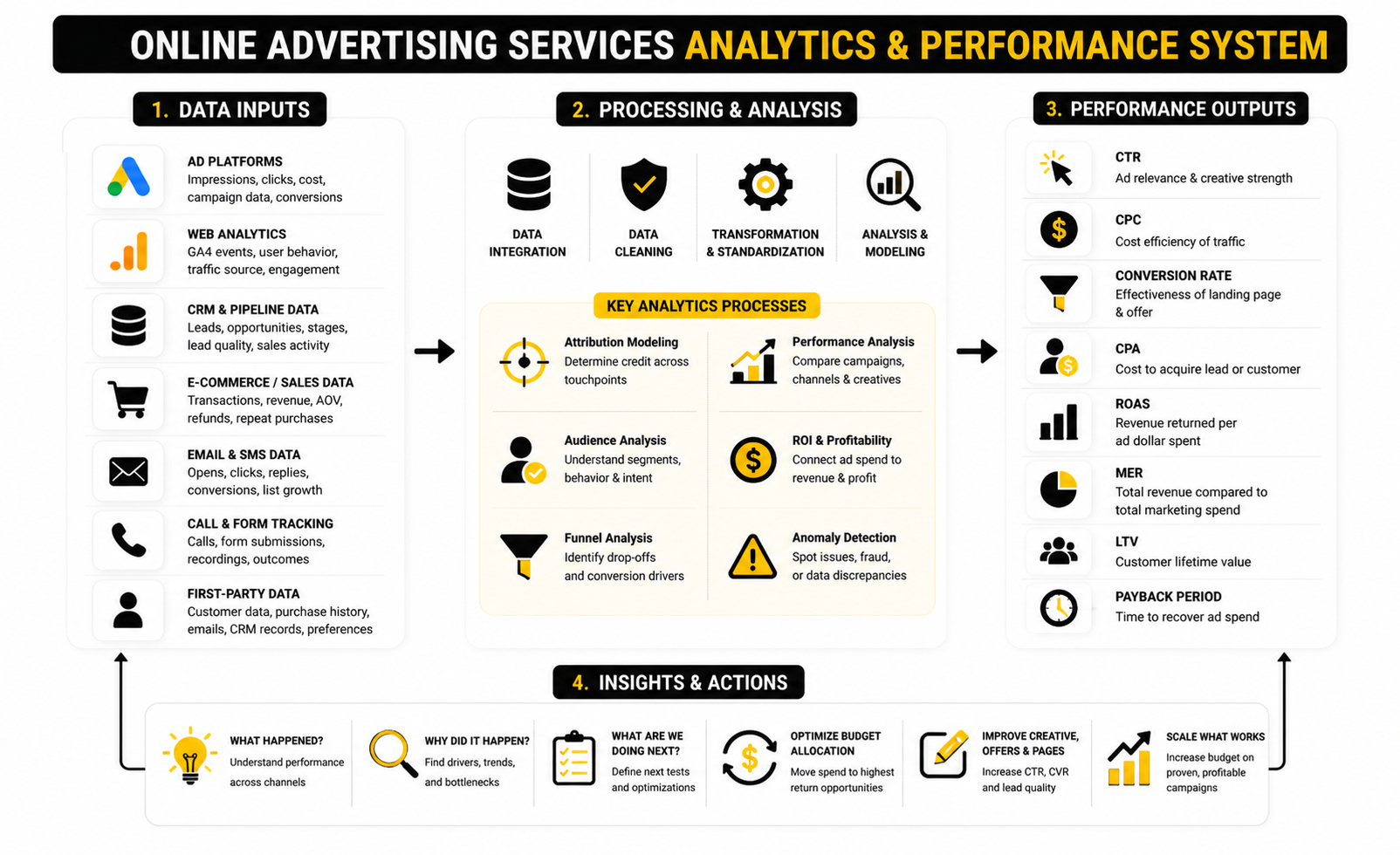
A healthy advertising ecosystem usually includes:
This is the big shift. You stop asking, “Which ad platform should we use?” and start asking, “Where is the system leaking revenue?” That question leads to better decisions.
What Are Online Advertising Services?
Online advertising services help businesses plan, launch, manage, measure, and improve paid digital campaigns. They can include search ads, social ads, display ads, video ads, landing pages, tracking, retargeting, creative testing, and reporting. The best services connect paid traffic to actual business outcomes instead of only reporting clicks and impressions.
Are Online Advertising Services Worth It?
Yes, if the business has a clear offer, enough margin, and a proper follow-up process. They are not worth it when a company expects ads to fix a weak product, unclear positioning, or broken sales process. Paid traffic amplifies what already exists.
How Much Should A Business Spend On Online Advertising?
There is no universal number. A smart starting budget depends on customer value, sales cycle, competition, and how much data is needed to test properly. The safer approach is to start with a controlled test budget, measure cost per qualified result, then scale based on profit.
Which Platform Is Best For Online Advertising?
The best platform depends on buyer intent. Google Ads is usually strong when people are already searching for a solution. Meta, TikTok, LinkedIn, and YouTube can work better when the offer needs education, trust, or demand creation.
How Long Does It Take For Ads To Work?
Some campaigns generate leads or sales quickly, but reliable performance usually takes testing. The first phase is about collecting data, finding weak points, and improving the offer, creative, landing page, and follow-up. Expect learning before scaling.
What Is The Biggest Mistake Businesses Make With Paid Ads?
The biggest mistake is launching before the system is ready. Businesses often spend money before tracking, landing pages, creative, offers, and sales follow-up are properly built. That creates messy data and expensive lessons.
What Metrics Matter Most?
The most useful metrics are cost per acquisition, conversion rate, customer lifetime value, return on ad spend, marketing efficiency ratio, and payback period. Clicks and impressions can help diagnose performance, but they do not prove profitability. Revenue and customer quality matter more.
Should Small Businesses Use Online Advertising Services?
Small businesses can benefit from online advertising services when they have a clear target market and a specific conversion goal. Local services, ecommerce brands, consultants, agencies, and SaaS companies can all use paid ads effectively. The key is starting focused instead of trying to advertise everywhere.
Do I Need A Landing Page For Paid Ads?
Usually, yes. Sending paid traffic to a generic homepage often lowers conversion because the message is too broad. A focused landing page keeps the ad, offer, and call to action aligned.
Can AI Run Ads For Me?
AI can help with bidding, targeting, creative variations, reporting, and campaign optimization. But AI does not replace strategy. It still needs strong inputs, clean data, good creative, a clear offer, and human judgment.
How Do I Know If An Agency Is Good?
A good agency asks about margins, sales process, customer value, tracking, and lead quality before promising results. They explain what they are testing and why. Be careful with anyone who talks only about traffic, impressions, or guaranteed overnight growth.
What Tools Help With Online Advertising Services?
Useful tools depend on the campaign type. GoHighLevel can support CRM, automation, and lead follow-up. ClickFunnels and Systeme.io can help with funnels and landing pages. ManyChat can support chat-based follow-up from social campaigns.
Build a stronger local presence with BAAM AI
Turn your website, Google profile, social channels, and AI visibility into one growth engine
Most businesses do not need more random marketing activity. They need a consistent presence system that helps the right people find them, trust them, and take action. BAAM AI brings strategy, local SEO, website updates, Google Maps visibility, social content, AI-search readiness, media production, and reporting into one practical monthly engine.
If you want your marketing to keep working after the campaign ends, start with a free BAAM AI presence audit. See how your business shows up today and where the fastest visibility wins are at BAAM AI.