
BAAM AI Blog
What Is a Lifestyle Copywriter and How This Career Works
Lifestyle copywriting is a unique corner of marketing that blends creative storytelling with persuasive strategy to help brands connect with people’s everyday aspirations and emotions. A lifestyle copywriter doesn’t...

Lifestyle copywriting is a unique corner of marketing that blends creative storytelling with persuasive strategy to help brands connect with people’s everyday aspirations and emotions. A lifestyle copywriter doesn’t just sell a product - they sell a way of living that resonates with a specific audience on a deeper level. This craft has become increasingly essential for brands in fashion, travel, wellness, home goods, and other lifestyle-focused industries that thrive on emotional connection.
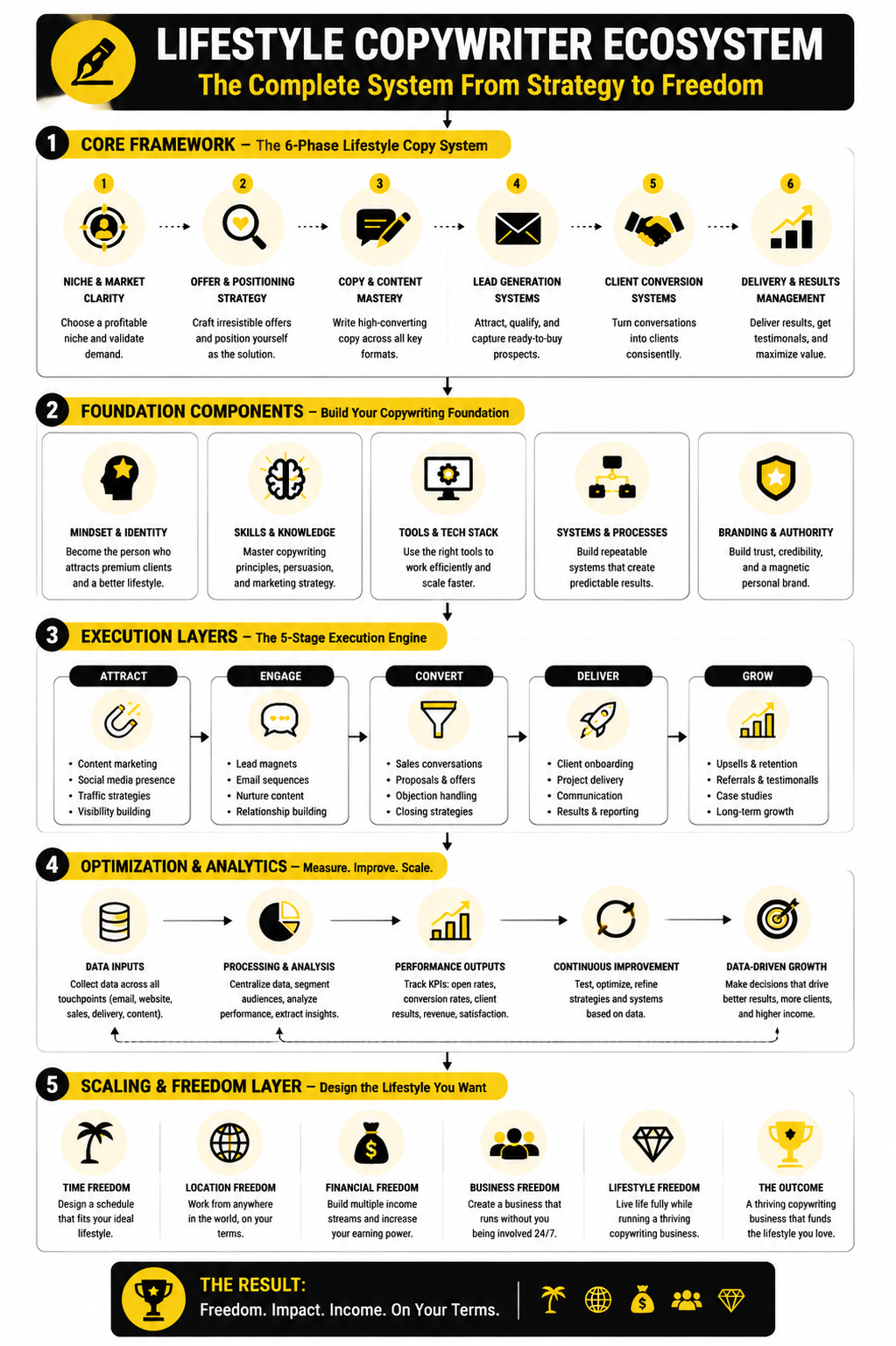
Below is the structure this guide will follow to explore how lifestyle copywriters work, why the role matters, and how anyone can start building expertise in this field:
What a Lifestyle Copywriter Actually Does
A lifestyle copywriter is a specialized professional who crafts words that speak directly to a reader’s values, desires, and the way they want to live. Rather than focusing on features or dry technical details, this type of writing builds an emotional bridge between the brand and audience by painting vivid pictures of outcomes, experiences, and feelings.
This work often appears in:
In every context, a lifestyle copywriter’s goal is to spark curiosity and encourage action - whether that’s joining a community, trying a new wellness product, or investing in a lifestyle upgrade that aligns with the audience’s identity.
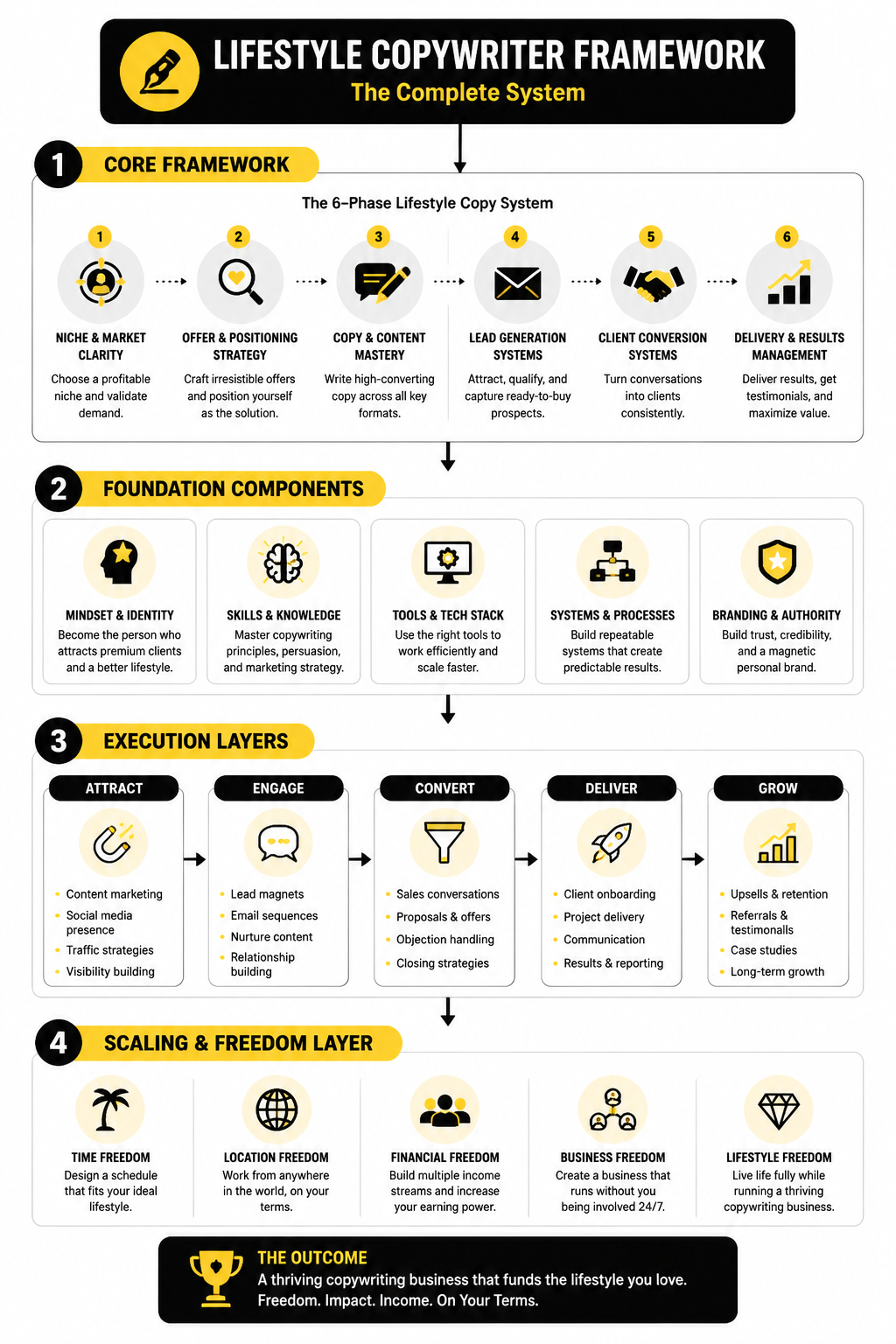
Why Lifestyle Copywriting Matters
Lifestyle copywriting matters because modern consumers don’t just buy products - they buy identities, experiences, and communities. Studies show that emotional connection drives purchase decisions more reliably than logical comparison of features alone. Brands that paint a compelling picture of a lifestyle see higher engagement and stronger loyalty than those that focus on basic product specs.
In an era where choice is abundant and attention spans are short, lifestyle copy gives brands a distinct voice that helps them stand out and form real relationships with their audience.
Framework for Lifestyle Copywriting
To create content that resonates and converts, experienced lifestyle copywriters rely on a repeatable framework that includes:
This approach ensures every piece of copy isn’t just persuasive - it feels human and meaningful.
Core Components of Strong Lifestyle Copy
While every project will vary, standout lifestyle copy typically includes:
These elements work together to move readers emotionally and logically toward a decision.
How Professionals Implement Lifestyle Copywriting Strategically
Professional lifestyle copywriters don’t write in a vacuum - they implement their skills as part of broader marketing strategies. This often includes:
The best lifestyle copywriters constantly refine their craft based on performance data and shifting consumer trends.
Common Career Paths and Growth Opportunities
Many lifestyle copywriters begin as general copywriters or content writers and then specialize by working with brands tied to specific lifestyles - like wellness, fashion, food, or travel. Others start with a strong personal writing portfolio and niche down by interest or expertise.
With experience, lifestyle copywriters can advance into strategic roles such as brand storyteller, content strategist, or even chief marketing officer, especially within companies where narrative and experience are central to the brand’s success.
In today’s marketing ecosystem, mastering lifestyle copywriting is a powerful way to build influence, earn impactful roles, and shape how brands connect with real people.
How Professionals Use Lifestyle Copywriting Strategically
Stepping beyond writing beautiful sentences, professional lifestyle copywriters embed their craft into broader marketing strategies so their work doesn’t just look great - it works. Achieving strategic impact means thinking like both a storyteller and a marketer at the same time.
A critical practice among experienced writers is aligning lifestyle copy with audience insights. Rather than guessing what resonates, they dig into real data and trends about people’s values and behaviors. This could involve reviewing market reports, consumer surveys, or analytics to understand what aspirations - such as health, freedom, or community - motivate a particular demographic at a given time. When writing copy this way, every headline, paragraph, and call‑to‑action is informed not only by creativity but also by hard audience intelligence.
Professionals also work closely with cross‑functional teams. Instead of operating in isolation, great lifestyle copywriters partner with designers, brand strategists, and product leads so the words, visuals, and overall user experience feel cohesive across every customer touchpoint. That’s why in successful campaigns, the narrative you read in a landing page, the imagery you see in social ads, and the language in the checkout message all tell the same story - a unified lifestyle vision rather than disjointed sales pitches.
Finally, strategic implementation always includes measurement. Rather than publishing copy and leaving it at that, professionals monitor how audiences respond: which messages get clicks, which pages hold attention, and which versions convert better. This process of testing, learning, and revising - often across multiple campaigns - helps refine both the style and substance of lifestyle copy so it consistently performs higher over time.
Common Career Paths and Growth Opportunities
For many lifestyle copywriters, the work begins with foundational copywriting roles but soon evolves into broader strategic responsibilities and new career avenues.
Most start by building experience writing for brands or agencies, often in entry‑level roles where they learn to craft persuasive texts for websites, email marketing, and social media - all essential building blocks of lifestyle copywriting. These early roles typically emphasize mastering the basics of writing, researching audiences, and adapting tone to fit different brands and products.
As copywriters refine their ability to shape compelling narratives that drive engagement, many transition into content strategy or brand storytelling roles. In these positions they influence what brands say and how those messages fit into larger business goals, often guiding teams rather than just writing solo. They may also become sought after for niches like wellness, travel, or sustainable living - areas where framing everyday choices as part of a desirable lifestyle is central to connecting with audiences.
For freelancers, success in lifestyle copywriting can open doors to working with high‑profile clients and commanding premium rates. Some experienced professionals eventually launch their own copywriting consultancies or creative studios, advising multiple brands and shaping long‑term content strategies. Other paths include becoming creative directors, content directors, or marketing leaders - roles where storytelling, persuasion, and strategic vision come together at the highest levels of brand building.
In either agency, in‑house, or freelance work, the combination of creative skill, strategic thinking, and audience insight makes lifestyle copywriters valuable contributors to any brand that wants to connect with people on meaningful, emotional levels. That blend of craft and strategy is what separates strong lifestyle copywriters from generalist writers and sets the stage for long‑term career growth.
How the Lifestyle Copywriting Process Works in Practice
Now that we’ve covered what lifestyle copywriting is and why it matters, it’s time to turn the abstract into action. Implementing lifestyle copy effectively - especially as a lifestyle copywriter - means following a structured process where each step builds on the last, minimizing guesswork and maximizing impact.
This isn’t just about writing catchy lines. It’s about moving readers emotionally, logically, and strategically toward a desired action - whether that’s signing up for a newsletter, exploring a product line, or embracing a lifestyle shift. Professional writers think in terms of stages, checkpoints, and iterative refinement so that every piece stays aligned with both audience needs and business goals.(cite)
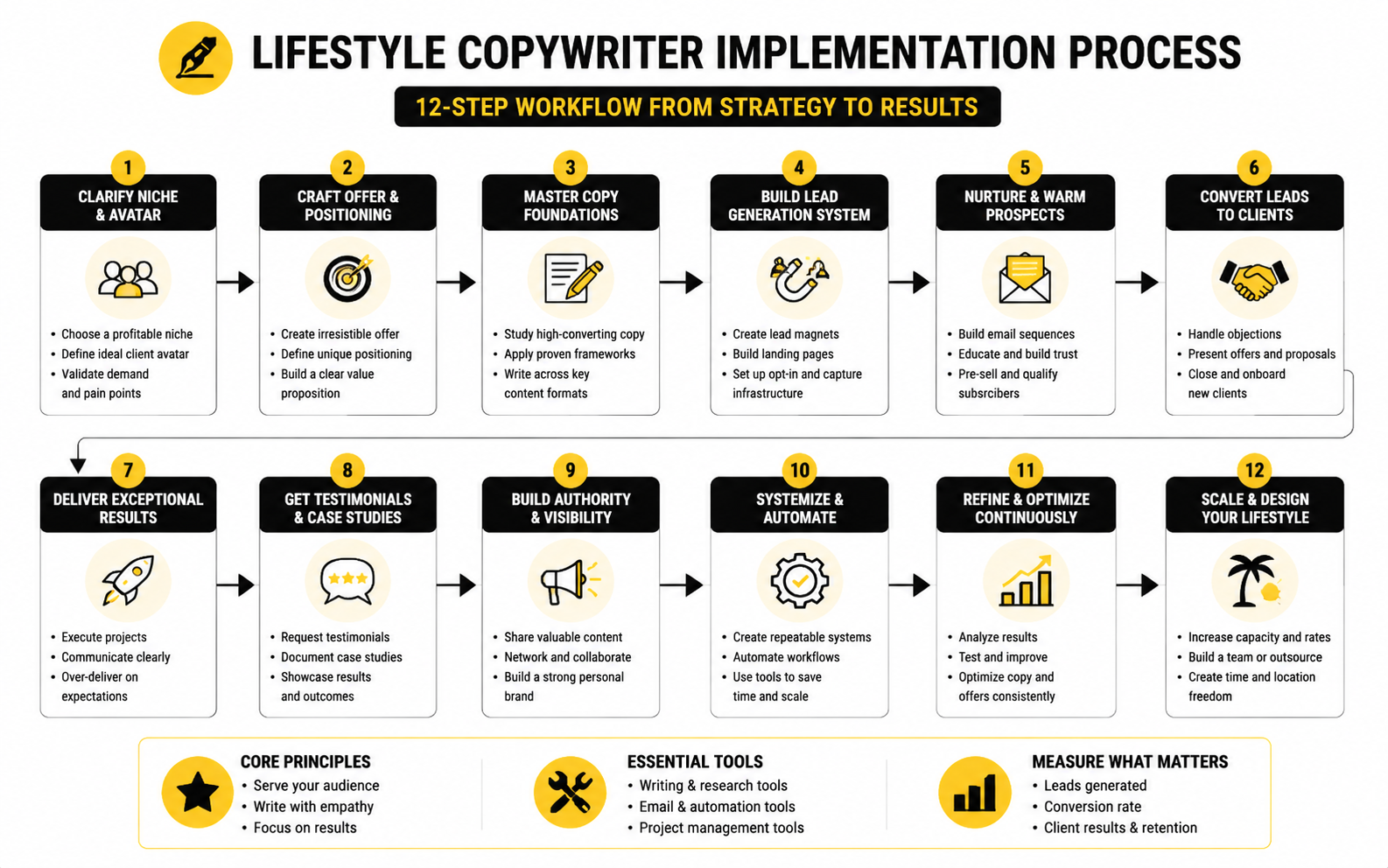
A Step‑by‑Step Workflow for Lifestyle Copywriting
To make the process tangible, here’s a practical sequence many experienced writers follow. It turns an idea into polished lifestyle copy that performs well across channels.
1. Clarify Objectives and Audience
Before touching a keyboard, define the purpose of the copy. What action should the reader take? What feeling should they walk away with? Clear goals ensure the copy stays focused from start to finish. At the same time, build an audience persona that goes beyond basic demographics - include attitudes, daily challenges, and aspirational goals.(cite)
2. Conduct Deep Research
Great lifestyle copy is grounded in real insight about people and products. Research might include:
This stage often takes as much time - or more - than the writing itself because what you discover here shapes the entire message.(cite)
3. Outline Structure and Narrative Flow
With clarity on goals and audience, outline your copy. This planning step maps out how your message will move the reader from awareness to desire to action. Think in terms of headlines, subheadings, sections that build empathy, and transition points that guide the reader logically and emotionally. A solid outline prevents writer’s block and keeps the narrative cohesive.(cite)
4. Draft with Purpose
Now comes writing in earnest. With structure in hand, draft each section focusing on the emotional drivers you uncovered. This is where you craft the voice, tone, and stories that make lifestyle copy compelling rather than generic. Use language that reflects the lifestyle you’re selling - not just the product features. Strong copywriters think of this phase as assembling persuasive building blocks, not just filling a blank page.(cite)
5. Refine Through Editing and Optimization
Once your first draft exists, editing becomes its own creative phase. Check whether:
This is also where you check for clarity, grammar, and alignment with overall brand messaging. Many professionals do multiple passes, sometimes with tools or collaborators, before finalizing the text.(cite)
6. Gather Feedback and Iterate
Rarely is the first complete version the final one. Share your draft with stakeholders - whether that’s a client, creative director, or teammates - and incorporate reasonable feedback. This collaborative phase polishes the copy and often strengthens impact by adding perspectives you might have missed.(cite)
7. Publish and Measure Response
Once approved, the lifestyle copy goes live - on a website, email campaign, social ad, or wherever it’s meant to influence the audience. But the process doesn’t stop here. Professionals measure how copy performs using engagement metrics like click‑through rates, time‑on‑page, conversions, or social shares. This data informs future iterations and strengthens your approach for the next project.(cite)
What Makes This Process Effective for Lifestyle Copy
Following this workflow ensures that every piece of copy is:
That’s why professional lifestyle copywriters treat copywriting as more than “creative writing.” It’s a systemized craft where research, structure, emotional insight, and iteration come together to drive meaningful results - for both the audience and the business.
Measuring Performance: Analytics and What the Data Actually Means
As a lifestyle copywriter, your work isn’t complete when the words are published - the real proof of effective writing lives in the data. Numbers aren’t just for reporting; they tell you what’s working, what’s not, and where to double down with more carefully messaging. The key is knowing which metrics matter and how to interpret them so your copy genuinely drives results rather than just looks pretty.
Why Metrics Matter for Copy Performance
In modern marketing, data helps you evaluate whether your copy is influencing real human decisions. For example, strong storytelling or persuasive CTAs should lead to measurable actions like clicks, sign‑ups, and conversions. Tracking performance also helps you distinguish between surface‑level engagement (like a quick visit) and real impact (like a purchase or subscription). Rather than blindly chasing vanity numbers, the right metrics guide optimization and strategy over time. See how to approach this as a purposeful measurement practice.
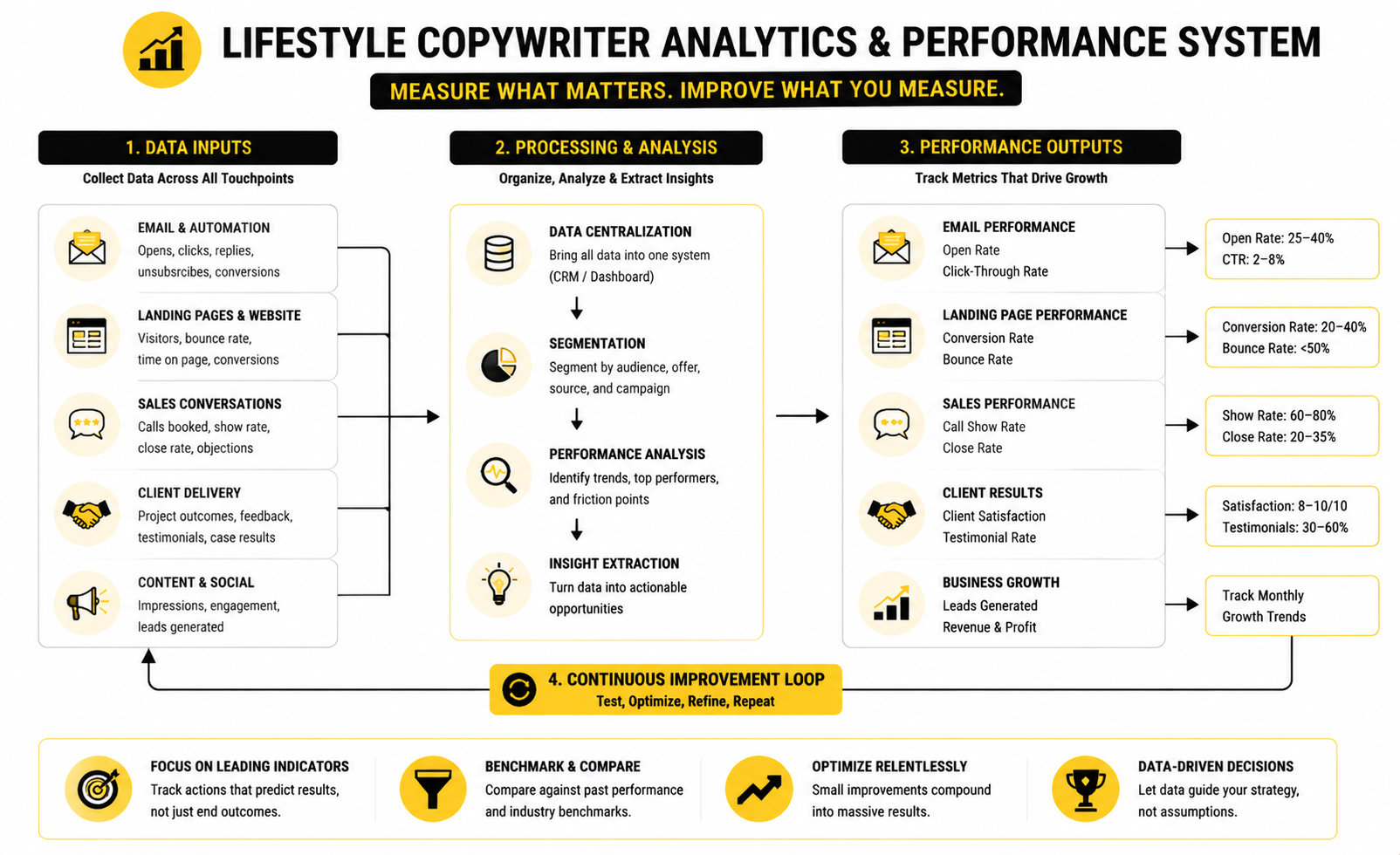
Core Metrics That Tell You Something Useful
Different numbers reveal different truths about how your lifestyle copy resonates with your audience:
How to Interpret Benchmarks in Context
Raw numbers aren’t inherently meaningful without comparison. Benchmarks give context to whether your performance is typical, underperforming, or exceptional:
These numbers aren’t absolute goals, but directional signals. Your results should be evaluated against your past performance and your target audience - not just industry averages.
Turning Metrics Into Action
Data without action is noise. Once you know where the bottlenecks are, you can refine your copy:
The best lifestyle copywriters don’t just report numbers - they use them to continuously improve their craft and align writing with measurable business outcomes. Metrics become not just proof of performance but a roadmap for future decisions.
Advanced Considerations for Scaling Lifestyle Copywriting
As your work as a lifestyle copywriter grows, the challenge shifts from writing single pieces to managing strategy across campaigns, channels, and teams. Scaling your efforts introduces both opportunities and risks, and it demands a higher level of planning and foresight than basic copywriting alone.
Balancing Consistency and Creativity
When writing for multiple campaigns or clients, maintaining a consistent brand voice while still crafting fresh, engaging copy is critical. Consistency builds trust and recognition, but rigid adherence can make copy feel stale. The most effective lifestyle copywriters create guidelines and tone frameworks that allow other writers or content contributors to follow a consistent style while still leaving room for creative storytelling.(forbes.com)
Strategic Tradeoffs in Copy Decisions
Advanced copywriting often involves tradeoffs between engagement and clarity, storytelling and brevity, or emotional appeal and compliance. For instance, a highly aspirational narrative may perform well for social engagement but could dilute clarity on conversion-focused pages. Evaluating which tradeoffs serve long-term goals is part of the expert skillset. Effective lifestyle copywriters frequently test variations to see which balance produces the best measurable outcomes.(contentmarketinginstitute.com)
Managing Risk and Reputation
High-profile campaigns can amplify both positive and negative reactions. Copy that misaligns with the audience’s expectations or values can quickly damage brand credibility. Professionals mitigate this risk by vetting ideas, reviewing narratives with stakeholders, and grounding emotional appeals in authentic insights rather than assumptions. Maintaining ethical storytelling while aiming for compelling results is a subtle but essential part of advanced lifestyle copywriting.(hubspot.com)
Scaling Across Channels and Teams
Expanding beyond a single channel requires coordination. Whether you’re publishing across email, social, blogs, or paid ads, each platform demands a slightly different approach while retaining core brand identity. Using templates, content calendars, and collaboration tools allows lifestyle copywriters to scale without sacrificing quality or coherence. Scaling also requires training junior writers to understand both the emotional triggers and the technical requirements of each channel.(forbes.com)
Continuous Learning and Adaptation
Finally, expert lifestyle copywriters never stop learning. Consumer preferences evolve, platforms change, and new analytics tools offer deeper insights. Monitoring emerging trends, reviewing performance metrics, and iterating on narrative strategies ensures that scaled campaigns remain effective, relevant, and emotionally resonant. This mindset separates mid-level practitioners from those who lead in the field, allowing a lifestyle copywriter to not just write, but strategically shape how a brand is experienced over time.(contentmarketinginstitute.com)
1. What exactly does a lifestyle copywriter do?
A lifestyle copywriter crafts content that connects a brand to an audience’s values, aspirations, and daily experiences. They use storytelling, emotional triggers, and persuasive language to inspire action while reflecting the desired lifestyle.
2. How is lifestyle copy different from traditional marketing copy?
Traditional marketing copy often highlights features and pricing, whereas lifestyle copy focuses on emotions, experiences, and identity. It sells how life feels with the product or service rather than the product alone.
3. Which industries benefit most from lifestyle copywriting?
Fashion, travel, wellness, food, home decor, and tech brands that promote aspirational lifestyles gain the most from this type of copy. Any brand aiming to align with consumer identity can leverage it effectively.
4. How do lifestyle copywriters understand their audience?
They use a mix of psychographics, market research, social listening, surveys, and analytics to uncover motivations, pain points, and aspirations. This allows them to tailor narratives that resonate on a personal level.
5. What are the key components of effective lifestyle copy?
Emotion-first language, narrative hooks, relatable scenarios, authentic storytelling, and clear calls-to-action are essential. These elements ensure the reader engages and acts on the message.
6. Can lifestyle copywriting improve conversion rates?
Yes. By aligning messages with the audience’s identity and desires, lifestyle copy often leads to higher engagement, longer time on page, and improved conversions compared with feature-focused copy.
7. How do you measure the success of lifestyle copy?
Metrics such as click-through rate, conversion rate, time on page, scroll depth, and email engagement indicate performance. Benchmarking against previous campaigns helps interpret these numbers meaningfully.
8. Is it possible to scale lifestyle copywriting for multiple campaigns?
Scaling requires frameworks, templates, content calendars, and collaboration tools. Consistent tone and brand voice across channels while allowing creative flexibility is crucial for effective scaling.
9. What are common challenges in lifestyle copywriting?
Balancing emotional appeal with clarity, maintaining authenticity, and navigating tradeoffs between creativity and measurable performance are typical challenges. Testing and iterative refinement help overcome these.
10. How can someone start a career as a lifestyle copywriter?
Building a portfolio of storytelling-focused content, gaining experience in niche industries, learning marketing metrics, and understanding audience psychology are foundational steps. Networking and freelance opportunities can accelerate growth.
11. How do professionals stay relevant in lifestyle copywriting?
By tracking trends, analyzing data, and adapting narratives, professionals maintain relevance. Continuous learning and experimentation with formats, channels, and audience engagement strategies are essential.
12. What tools can assist lifestyle copywriters?
SEO platforms, analytics dashboards, content management systems, and AI writing assistants support research, optimization, and workflow efficiency. Tools like GoHighLevel and ClickFunnels can streamline marketing campaigns.
Build a stronger local presence with BAAM AI
Turn your website, Google profile, social channels, and AI visibility into one growth engine
Most businesses do not need more random marketing activity. They need a consistent presence system that helps the right people find them, trust them, and take action. BAAM AI brings strategy, local SEO, website updates, Google Maps visibility, social content, AI-search readiness, media production, and reporting into one practical monthly engine.
If you want your marketing to keep working after the campaign ends, start with a free BAAM AI presence audit. See how your business shows up today and where the fastest visibility wins are at BAAM AI.