
BAAM AI Blog
The Modern Marketing Mindset
starts with one shift: stop thinking in campaigns first and start thinking in customer decisions. A campaign can create momentum, but a customer journey creates revenue. Every message, channel, offer, and follow-up...
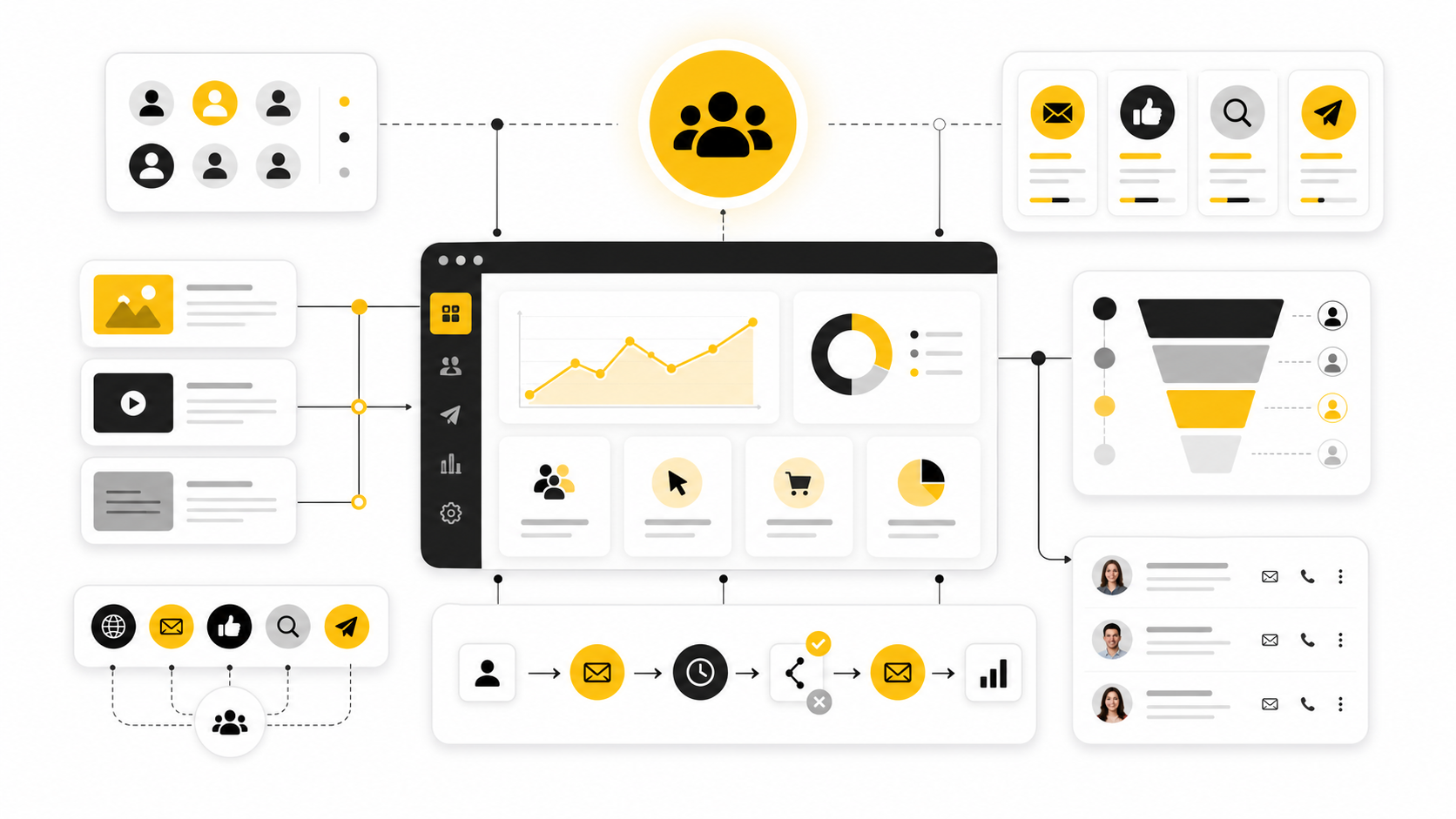
The modern marketing mindset starts with one shift: stop thinking in campaigns first and start thinking in customer decisions. A campaign can create momentum, but a customer journey creates revenue. Every message, channel, offer, and follow-up should help someone move from confusion to clarity, from doubt to trust, and from interest to action.
This is where modern marketing becomes more practical than trendy. It does not ask, “What can we post this week?” as the first question. It asks, “What does the buyer need to believe before they are ready to move forward?” That one question changes the work because it forces marketing to serve the buyer instead of feeding the content calendar.
It also makes marketing less fragile. Platforms change, algorithms shift, ad costs move, and AI tools keep getting better. But if your team understands the customer deeply, you can adapt without rebuilding the whole strategy every time the market changes.
Customer Understanding Comes Before Channel Selection
A lot of teams still choose channels too early. They jump into TikTok, LinkedIn, email, paid search, webinars, funnels, or influencer campaigns before they have a clear picture of the buyer’s real problem. That creates activity, but activity is not the same as progress.
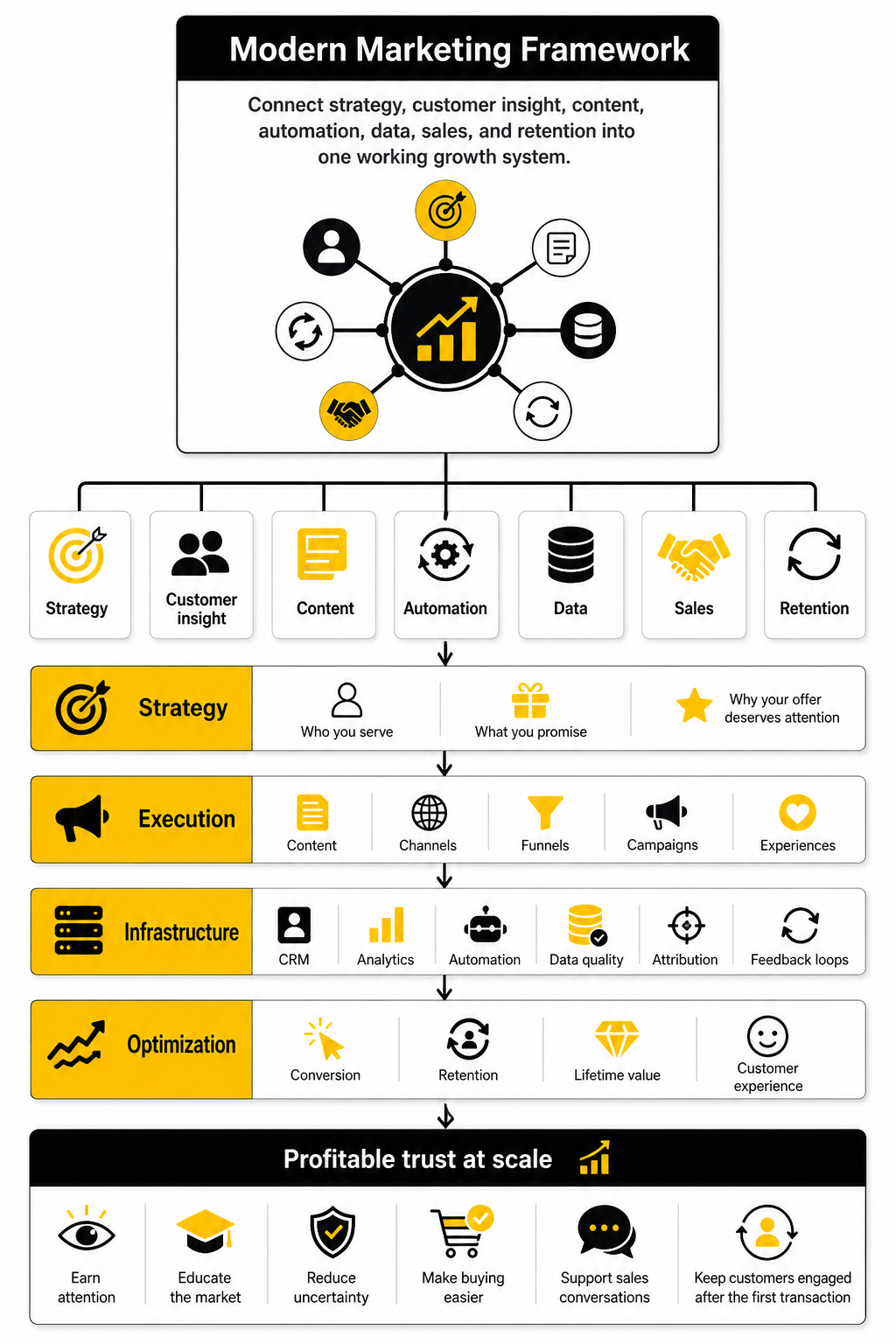
The better approach is to map what the customer already knows, what they misunderstand, what they fear, what alternatives they are comparing, and what would make them feel safe enough to act. This matters because customers are not just looking for information. They are trying to reduce risk.
That is why trust and data responsibility have become such a serious part of modern marketing. PwC’s consumer research found that 83% of respondents considered data protection a top priority for trust, ahead of several other major brand factors: PwC Voice of the Consumer 2024. If people do not trust how a brand handles information, personalization can feel creepy instead of useful.
Relevance Beats Volume
Modern marketing rewards relevance more than raw output. Publishing more content, sending more emails, or launching more ads will not fix a weak message. In many cases, it makes the problem louder.
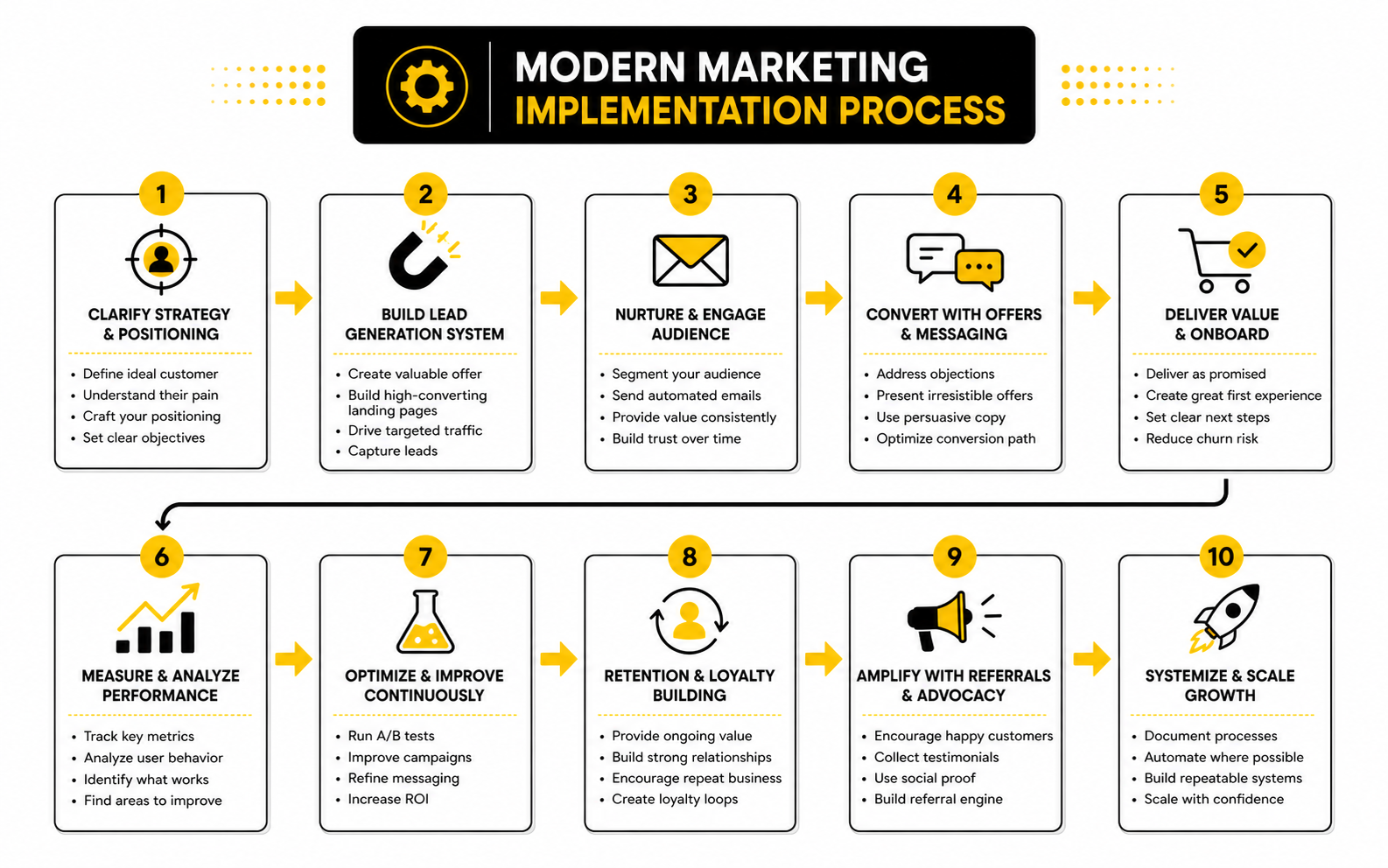
The useful question is not “How do we produce more?” The useful question is “How do we become more relevant at the exact moment the customer is making a decision?” That could mean a better comparison page, a sharper onboarding email, a clearer offer, a more useful product demo, or a follow-up sequence that answers real objections instead of pushing harder.
Research on personalization keeps pointing in this direction. Qualtrics XM Institute found that when consumers trust companies to use personal information responsibly, they are more comfortable with companies using data to personalize the experience: Qualtrics consumer preferences for privacy and personalization. The takeaway is simple: relevance works best when it is earned through trust.
Strategy and Execution Need to Stay Connected
A modern marketing team cannot afford a gap between strategy and execution. Strategy without execution becomes a deck. Execution without strategy becomes noise. The job is to keep both connected every week, not just during quarterly planning.
This is especially important because marketing now touches more of the business than it used to. It influences positioning, product education, sales enablement, customer retention, onboarding, community, and sometimes even support. If those pieces are disconnected, the customer feels it immediately.
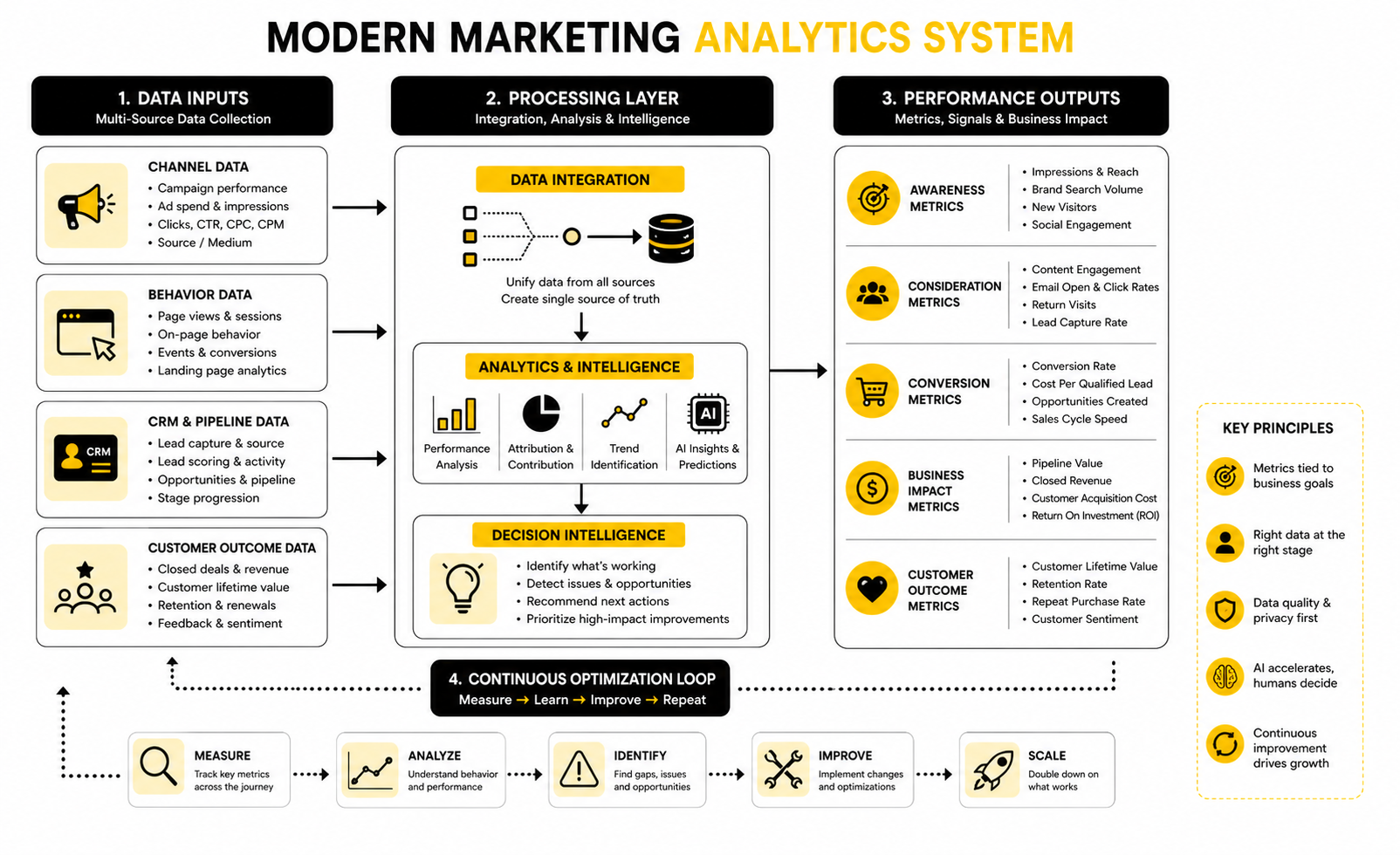
The practical fix is to make every major marketing activity answer three questions. Who is this for? What decision does it help them make? How will we know if it worked? When teams use those questions consistently, modern marketing becomes less about guessing and more about building a repeatable system.
AI Is an Accelerator, Not the Strategy
AI has changed modern marketing, but it has not removed the need for thinking. It can help teams research faster, draft faster, repurpose content, analyze patterns, build workflows, and test more variations. But it cannot replace a weak strategy with a strong one by itself.
That distinction matters because AI makes average execution cheap. If everyone can generate more emails, more posts, more landing page copy, and more ad variations, then the market gets flooded with sameness. The brands that win are the ones using AI to sharpen insight, improve timing, and increase usefulness, not just increase output.
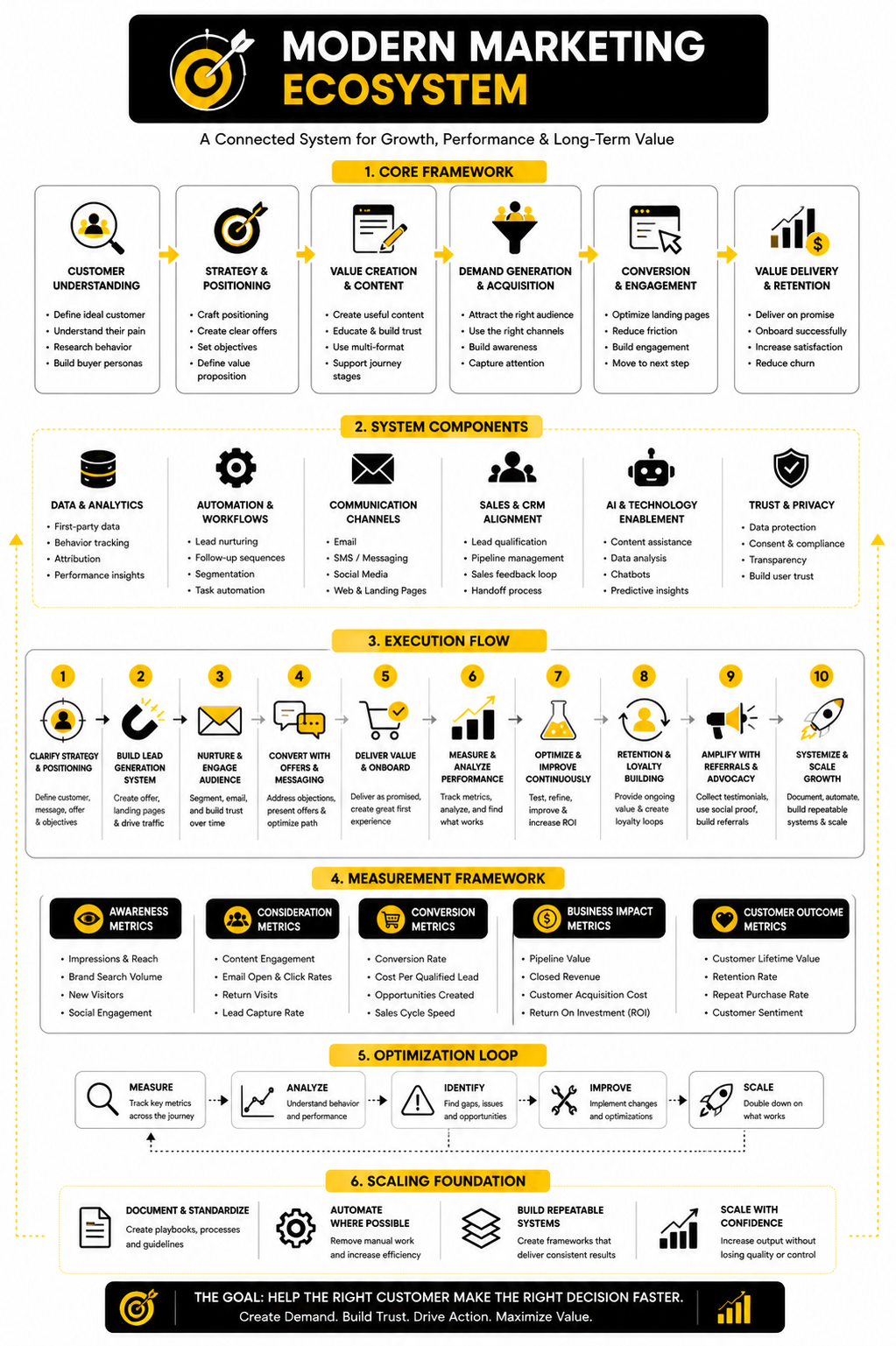
IAB’s 2025 State of Data research frames AI as a force that is changing media campaigns across audience segmentation, buying, optimization, and measurement: IAB State of Data 2025. That is a real operational shift. But the mindset still has to be human: understand the customer, respect the relationship, and use automation to make the experience better.
The Best Modern Marketing Feels Helpful Before It Feels Persuasive
The best modern marketing does not rush straight into the pitch. It helps the buyer understand the problem, compare options, avoid mistakes, and make a better decision. That kind of marketing still sells, but it sells by reducing uncertainty instead of manufacturing pressure.
This is why educational content, product-led experiences, transparent pricing, useful demos, customer proof, and strong onboarding all matter. They make the buying process feel safer. They also give sales teams warmer conversations because the buyer has already learned something valuable before the first call.
The mindset is not soft. It is commercial. Helpful marketing earns attention, attention creates trust, trust increases conversion, and conversion becomes easier to scale when the system is built on real customer needs. That is the foundation the next part builds on: the core components that make modern marketing work in practice.
Build a stronger local presence with BAAM AI
Turn your website, Google profile, social channels, and AI visibility into one growth engine
Most businesses do not need more random marketing activity. They need a consistent presence system that helps the right people find them, trust them, and take action. BAAM AI brings strategy, local SEO, website updates, Google Maps visibility, social content, AI-search readiness, media production, and reporting into one practical monthly engine.
If you want your marketing to keep working after the campaign ends, start with a free BAAM AI presence audit. See how your business shows up today and where the fastest visibility wins are at BAAM AI.