
BAAM AI Blog
Strategic Email in Email Marketing
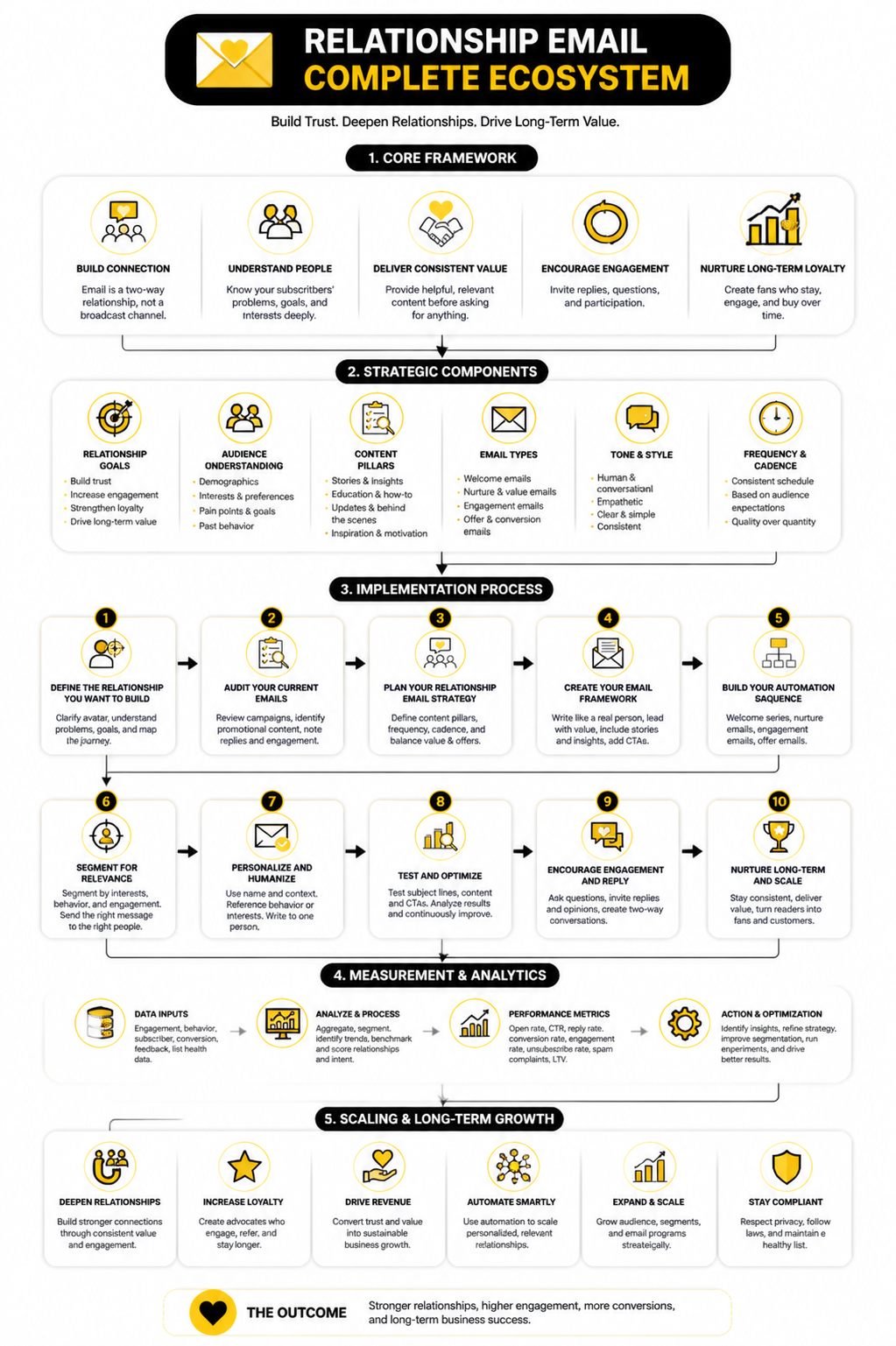
In email marketing, a strategic email refers to an email that is sent with a clear, well-defined purpose aligned with a larger marketing objective. Unlike generic or one-off emails, strategic emails are thoughtfully...
Strategic Email in Email Marketing
In email marketing, a strategic email refers to an email that is sent with a clear, well-defined purpose aligned with a larger marketing objective. Unlike generic or one-off emails, strategic emails are thoughtfully planned and executed to drive specific actions from recipients, such as making a purchase, signing up for a service, or engaging with content.
Strategic emails are not only about delivering content; they are about crafting messages that resonate with the recipient's needs and interests, making them more likely to take action. This approach is vital for businesses looking to build stronger relationships with their audience, increase conversions, and boost customer loyalty. Here’s a closer look at why strategic emails matter and how you can optimize them.
Elements of a Strategic Email
A well-crafted strategic email typically includes several key elements:
Types of Strategic Emails
There are several types of emails businesses can use strategically:
Crafting an Effective Strategic Email
The success of a strategic email lies in how well it resonates with the recipient. Here's how you can create one that stands out:
By focusing on the strategic planning of your email campaigns, you ensure that each message you send aligns with your marketing goals and brings you one step closer to achieving your business objectives.
Implementing a Strategic Email Campaign
Once you've understood the value and purpose of a strategic email, the next step is the implementation process. Crafting and sending emails that truly resonate with your audience takes a systematic approach. Here, we’ll break down the key steps you should take to ensure that your emails are both effective and aligned with your marketing goals.
Step 1: Define Your Objective
The first thing you need to do is set a clear objective. Without a specific goal in mind, your email can come off as generic or unfocused. Whether you want to drive sales, encourage engagement, or gather feedback, this goal will dictate the tone, design, and content of your email. A strategic email is always crafted with intention, so take time to define what success looks like.
Step 2: Build Your Audience Segments
Email marketing is not a one-size-fits-all game. Segmentation is a powerful strategy that allows you to target the right people with the right message. By grouping your audience based on demographics, behavior, and previous interactions, you can send personalized content that is more likely to resonate.
Step 3: Craft the Email Content
Now, with your objective and audience segments in place, it’s time to create compelling content. The key to success here is ensuring that your content is valuable, concise, and action-oriented.
Step 4: Choose the Right Tools
To streamline and automate your email campaigns, it’s essential to choose the right email marketing tool. These tools can help with segmentation, A/B testing, performance tracking, and more.
Step 5: Set Up A/B Testing
Before sending your emails to the entire list, it’s crucial to perform A/B testing. This allows you to test variations of subject lines, email content, and calls to action to see what resonates best with your audience.
Step 6: Monitor and Optimize Performance
After you’ve sent your email campaign, the job isn’t finished. Monitoring and analyzing performance is crucial to understanding what worked and where improvements can be made. Most email platforms offer in-depth analytics to track open rates, CTR, bounce rates, and more.
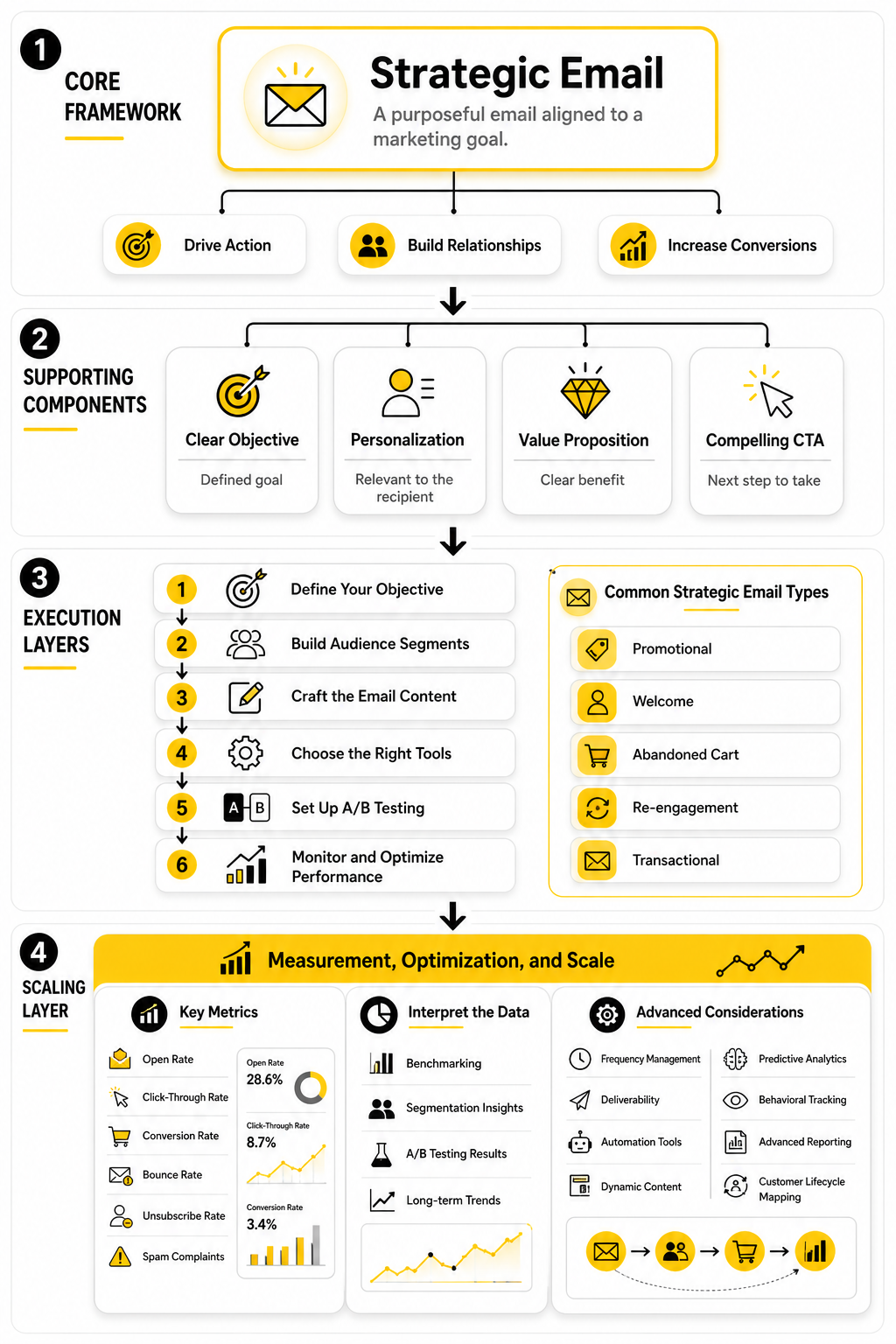
By following these steps and continuously refining your approach, you can build an effective email marketing strategy that drives results. Each email you send should be a step toward deeper engagement with your audience and closer alignment with your business objectives.
Statistics and Data in Strategic Email Marketing
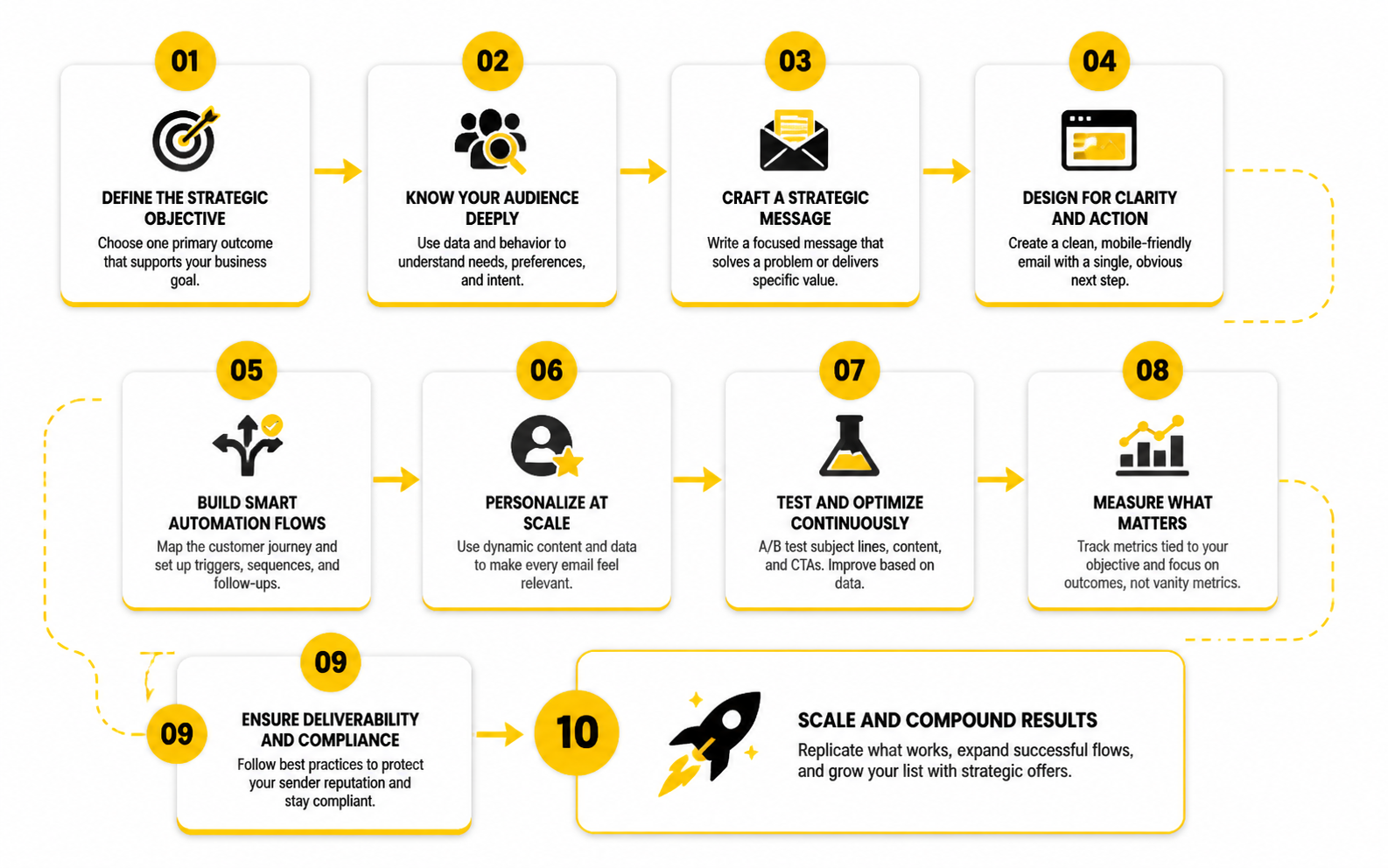
To fully understand the effectiveness of your strategic email campaigns, it's essential to measure performance through data and analytics. The numbers offer valuable insights into how well your emails are performing and where improvements can be made. But it’s not just about collecting data—it’s about interpreting it correctly and using it to guide future campaigns.
Key Metrics to Track
Here are some of the most critical metrics for evaluating the success of your strategic email campaigns:
Interpreting the Data
Once you’ve collected the data, it’s time to analyze it. Here’s how to make sense of these metrics and turn them into actionable insights:
Using Data to Improve Future Campaigns
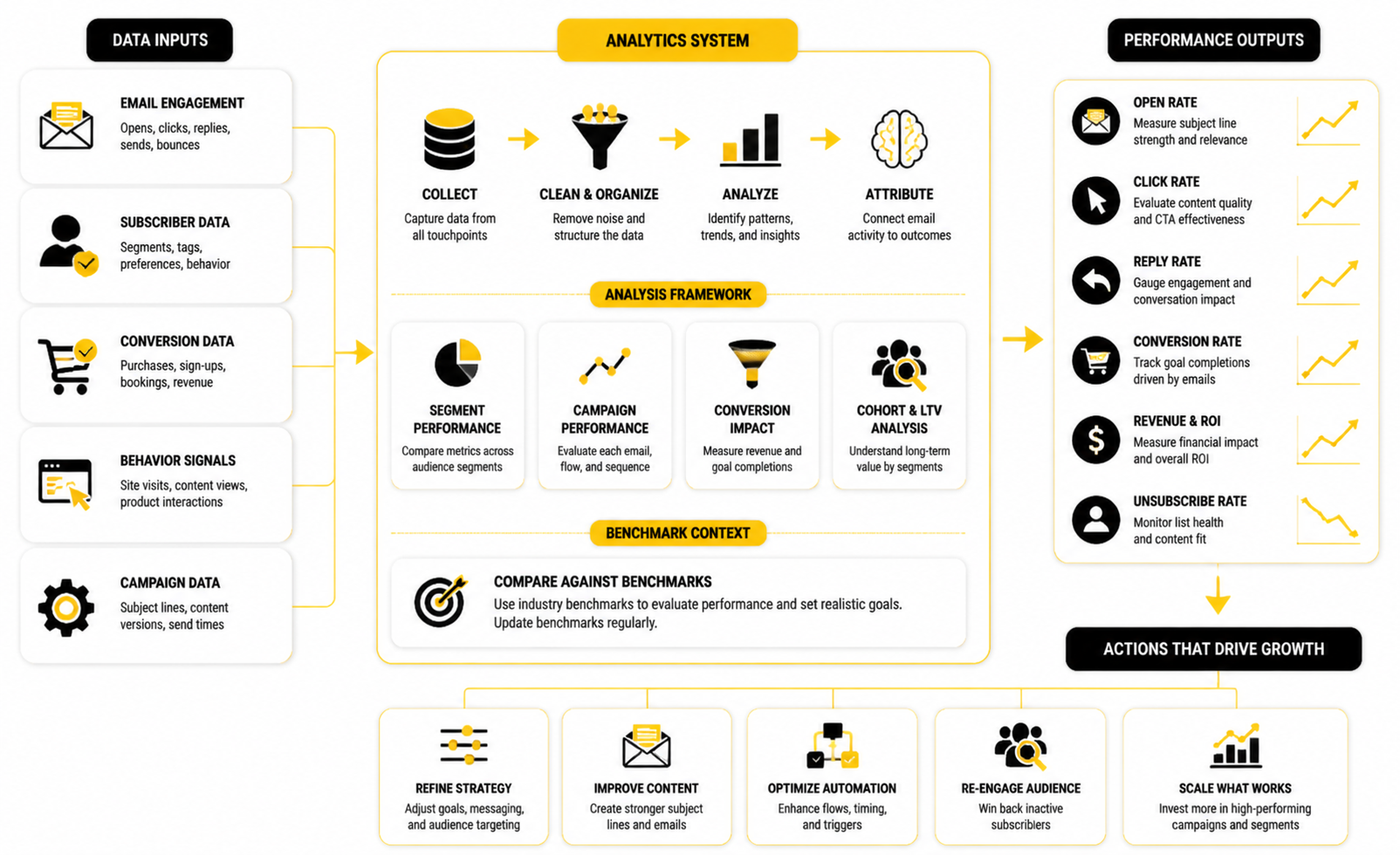
The power of data lies in its ability to inform future decisions. By looking at the metrics mentioned above, you can refine your email strategy to achieve better results. Here’s how to leverage data for continual improvement:
Tracking and analyzing data should be an ongoing process in your email marketing strategy. With each campaign, you can learn more about what resonates with your audience and refine your approach to keep improving your results.
Advanced Considerations for Strategic Email Marketing
As you continue to scale your email marketing efforts, there are several advanced strategies and considerations to keep in mind. The stakes grow higher as your campaigns become more complex, and you must navigate risks, trade-offs, and scaling challenges while maintaining effectiveness. Below are expert-level tips for managing and optimizing strategic email marketing campaigns.
Strategic Trade-offs and Risks
While email marketing can deliver impressive results, it comes with its share of challenges. One key trade-off is the balance between frequency and engagement. Sending emails too often can overwhelm your subscribers and lead to increased unsubscribes or spam complaints, while sending too infrequently might result in lost opportunities for engagement.
Scaling Email Campaigns
As your email marketing efforts scale, automation and advanced personalization become essential. The larger your subscriber base, the more difficult it is to maintain a personalized touch without automation. Here’s how to scale effectively:
Data-Driven Decision Making
As your email marketing grows, it becomes even more important to make decisions based on data rather than assumptions. Here’s how to use data to refine and improve your campaigns:
Expert-Level Guidance
To succeed at scale, here are some expert tips:
As you scale your strategic email campaigns, focus on quality, segmentation, and automation while always maintaining data-driven decision-making. By navigating the challenges of scaling and optimizing your strategy, you ensure that your email marketing efforts continue to deliver strong results for your business.
1. What makes a strategic email different from a regular email?
A strategic email is carefully planned with a clear goal, such as increasing conversions, building brand loyalty, or promoting a product. It is crafted with personalized content, a targeted call to action, and is part of a broader, well-thought-out email marketing strategy, unlike a regular email, which may not have these specific objectives.
2. How often should I send strategic emails to my audience?
The frequency of emails depends on your audience and your goals. While some audiences may prefer frequent updates, others may prefer less frequent emails. Start by testing different frequencies and measure the results to see what works best for your audience, keeping engagement and unsubscribes in mind.
3. What are the most important metrics to track in email marketing?
The key metrics include open rate, click-through rate (CTR), conversion rate, bounce rate, and unsubscribe rate. Each metric provides insights into different aspects of email performance, helping you understand how well your campaigns are engaging your audience and achieving your goals.
4. How can I improve my email open rate?
To improve open rates, focus on creating compelling subject lines, ensuring your emails are mobile-friendly, segmenting your audience effectively, and testing send times. Personalization can also play a significant role in improving open rates.
5. What is A/B testing, and how can I use it for strategic emails?
A/B testing involves sending two variations of an email to a small portion of your audience and comparing which one performs better. You can test subject lines, email designs, CTAs, and other elements to determine what resonates most with your audience. Use the winning version for the rest of your list.
6. Should I use dynamic content in my emails?
Yes, dynamic content allows you to personalize your emails based on recipient data, such as past purchases or browsing behavior. This approach can increase relevance and engagement, which are critical for improving conversion rates and reducing unsubscribe rates.
7. What is the ideal length for a strategic email?
The ideal length varies based on your goals and audience. In general, emails should be concise, clear, and to the point. Aim to communicate your message in as few words as necessary while ensuring clarity and value for the recipient.
8. How do I handle inactive email subscribers?
To re-engage inactive subscribers, send targeted re-engagement emails that offer exclusive content or incentives. You can also ask for feedback on why they’re no longer engaging with your emails. If inactivity persists, it may be best to remove them from your list to maintain good list hygiene.
9. Can I automate my strategic email campaigns?
Yes, automation is a great way to scale your email marketing efforts. Use automation to send welcome emails, nurture sequences, or abandoned cart reminders. Automation ensures timely and personalized communication without manual effort.
10. How do I improve my email deliverability?
To improve deliverability, follow best practices such as cleaning your email list regularly, using double opt-ins, and avoiding spammy content. Also, make sure your emails are authenticated and follow the CAN-SPAM regulations to prevent them from landing in the spam folder.
Build a stronger local presence with BAAM AI
Turn your website, Google profile, social channels, and AI visibility into one growth engine
Most businesses do not need more random marketing activity. They need a consistent presence system that helps the right people find them, trust them, and take action. BAAM AI brings strategy, local SEO, website updates, Google Maps visibility, social content, AI-search readiness, media production, and reporting into one practical monthly engine.
If you want your marketing to keep working after the campaign ends, start with a free BAAM AI presence audit. See how your business shows up today and where the fastest visibility wins are at BAAM AI.