
BAAM AI Blog
Professional Implementation For Email Marketing Infrastructure
A serious email setup is not just a tool choice. It is an operating model. Once you move beyond small tests, the real questions become ownership, process, security, compliance, scaling, and recovery.
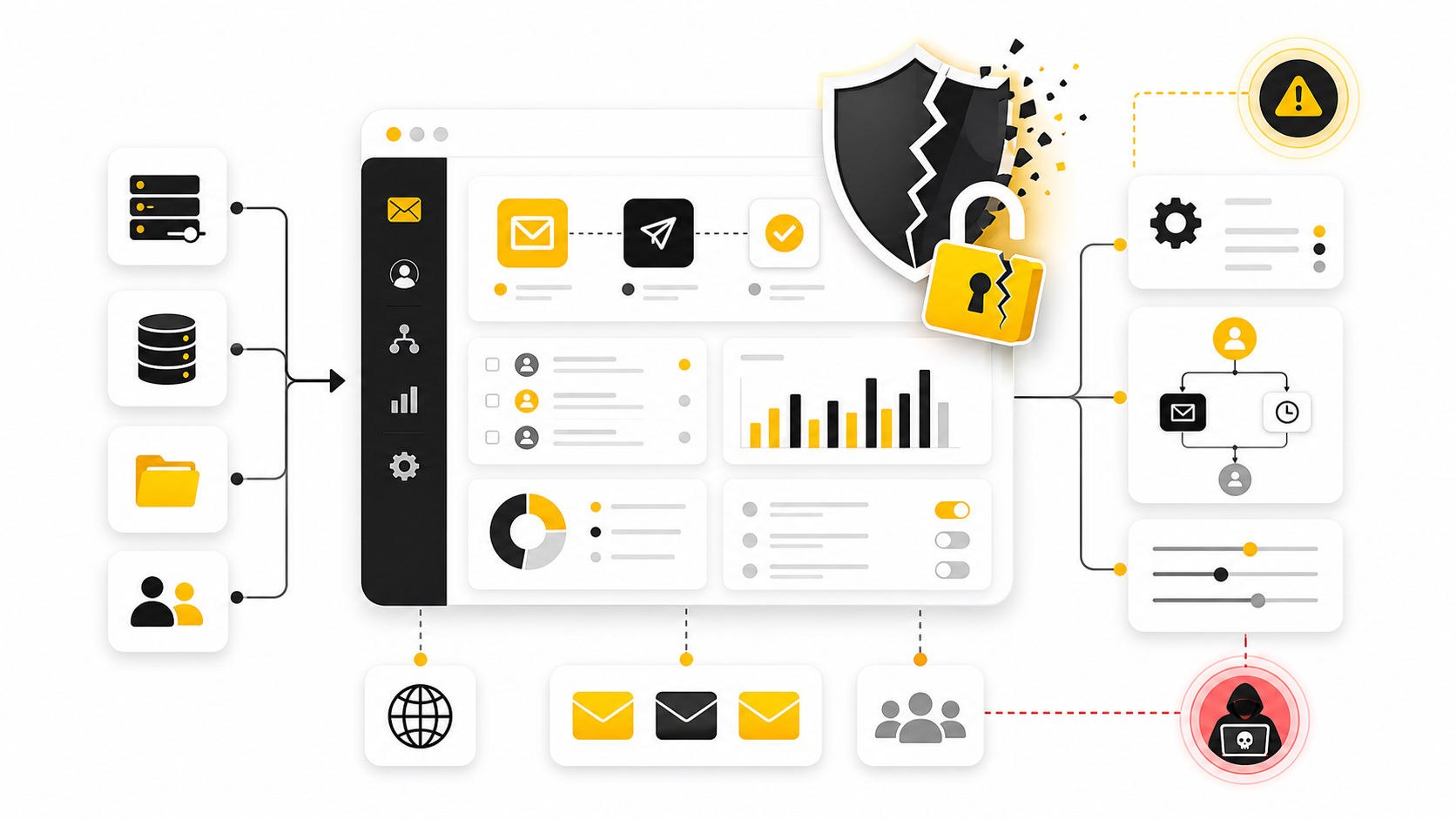
A serious email setup is not just a tool choice. It is an operating model. Once you move beyond small tests, the real questions become ownership, process, security, compliance, scaling, and recovery.
This is where interspire email marketer nulled becomes even less attractive. A shortcut that looked tempting at the download stage becomes a liability when you need documentation, predictable updates, audit trails, deliverability troubleshooting, and clean handoffs between team members. You cannot scale uncertainty.
Professional implementation means treating email infrastructure like revenue infrastructure. If email drives leads, sales, onboarding, retention, or client campaigns, then it deserves the same discipline as your website, checkout, CRM, analytics, and payment stack.
The Build Versus Buy Tradeoff
Self-hosted email marketing gives you control. You can manage your own application, server environment, sending connections, tracking domains, data storage, and workflows. That can be valuable for technical teams that know exactly what they are doing and have a reason to own the infrastructure.
Hosted platforms reduce operational burden. A tool like Brevo, Moosend, Systeme.io, or GoHighLevel can be more practical when the business needs campaigns, automations, forms, funnels, CRM actions, and reporting without maintaining every technical layer. You still need strategy and compliance, but you remove a lot of infrastructure work.
The wrong middle ground is using self-hosted software without the discipline self-hosting requires. That is what often happens with nulled tools. The user wants the control of ownership, the cost of free, and the maintenance burden of a hosted platform, but those three things do not exist together.
What Ownership Really Requires
Owning the email platform means owning the problems too. You need someone responsible for server updates, application updates, DNS records, SMTP configuration, backups, logs, firewall rules, access control, and incident response. If nobody owns those items, the setup is not professional; it is just installed.
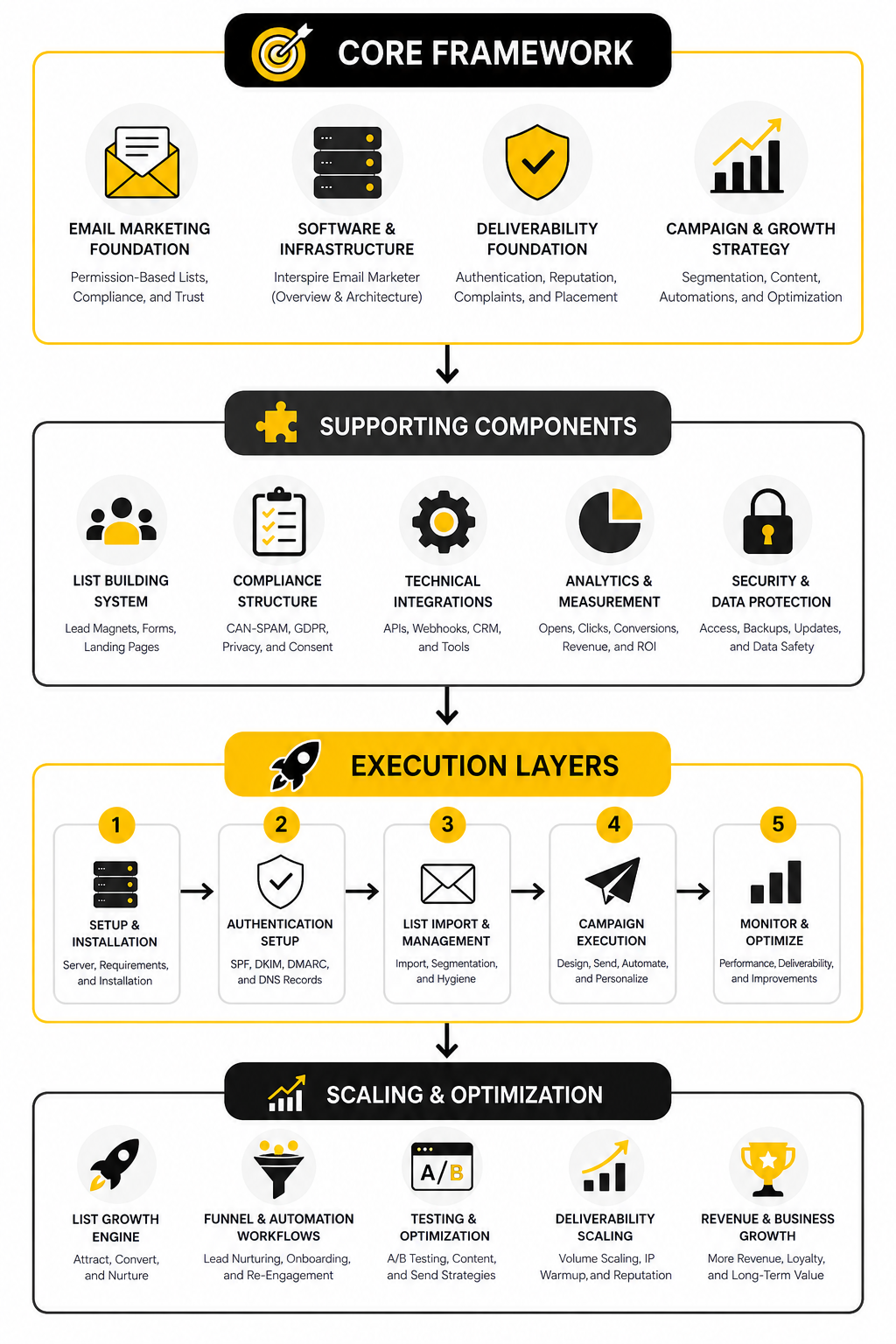
This matters because modern mailbox providers are tightening expectations. Google recommends SPF, DKIM, and DMARC for sending domains in its email sender guidelines, while Microsoft announced stricter SPF, DKIM, and DMARC requirements for high-volume senders through its Outlook sender requirements. The direction is obvious: serious senders need cleaner authentication and better operational control.
If you use legitimate self-hosted software, these responsibilities are manageable with the right technical support. If you use interspire email marketer nulled, ownership becomes messy because the first question in every issue is whether the software itself can be trusted. That slows everything down.
Scaling Changes The Risk Profile
A risky setup may look fine at low volume. You send a few internal tests, nothing breaks, and the dashboard feels normal. That does not prove the system is safe; it only proves the risk has not become visible yet.
Scaling email changes the pressure. More volume means more visibility to mailbox providers, more complaint risk, more bounce data, more unsubscribes to process, more campaign links to track, and more operational complexity. Small configuration problems become bigger when the sender profile grows.
This is why professional teams do not scale first and clean up later. They clean the list, authenticate domains, monitor results, document processes, and build controls before volume increases. If the software layer is questionable, scaling only makes the consequences bigger.
Access Control Becomes A Business Issue
As email operations grow, more people usually need access. Marketers write campaigns. Operators manage lists. Developers connect forms and APIs. Clients or stakeholders may review reports. That creates a basic governance problem: who can see, change, export, or send what?
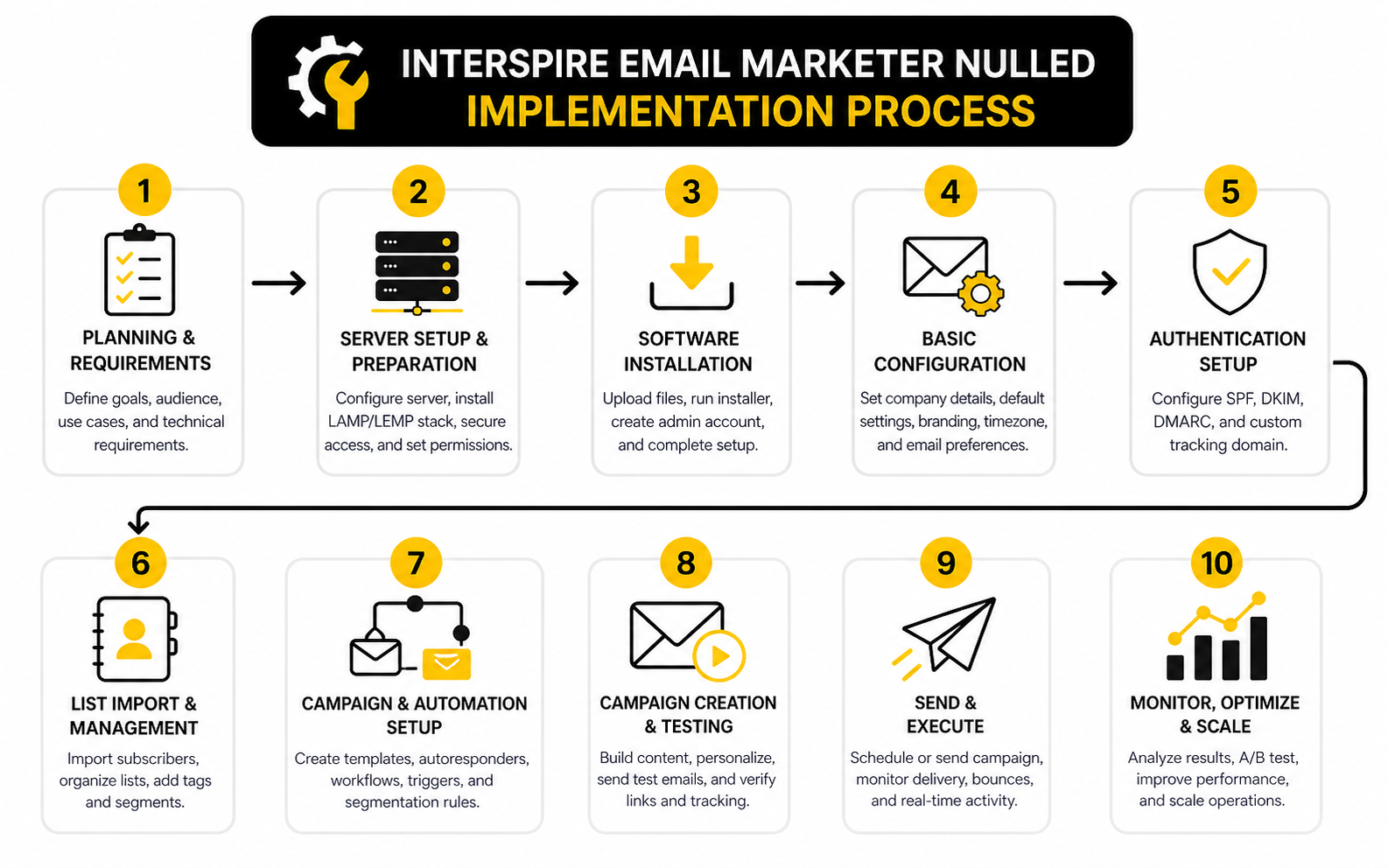
A professional system needs role clarity. Admin access should be limited. Passwords should not be shared. API keys should be protected. Old users should be removed quickly. Sensitive exports should be controlled because a subscriber database is not a casual spreadsheet.
Nulled software works against that discipline. Even if your internal access rules are clean, unknown code may still contain hidden access or weak security assumptions. You can lock the front door and still have no idea whether someone added a back door.
Compliance Gets Harder As The List Grows
Compliance is easy to underestimate when a list is small. Once you expand across markets, lead sources, funnels, and customer segments, consent and opt-out handling become more serious. You need to know who opted in, what they agreed to, where the data came from, and how quickly opt-outs are honored.
The FTC’s CAN-SPAM business guide makes commercial email obligations clear, including accurate header information, non-deceptive subject lines, identification where required, a valid postal address, and a working opt-out mechanism through its CAN-SPAM compliance guide. In Europe, GDPR raises the stakes around lawful processing, consent, documentation, and data rights through the GDPR legal framework.
This is not legal decoration. It affects how lists are collected, stored, segmented, exported, suppressed, and deleted. If your platform cannot be trusted to preserve those workflows correctly, it should not hold your list.
Vendor Risk Is Part Of The Strategy
Every email tool creates vendor risk. A hosted platform can change pricing, policies, limits, approval rules, or feature availability. A self-hosted tool can require more technical maintenance and internal ownership. The mature move is not pretending there is no risk; it is choosing the risk you can manage.
A trusted vendor gives you documentation, update history, support channels, and a clearer path when things change. A legitimate self-hosted tool gives you control if you have the technical ability to maintain it. A nulled copy gives you neither true vendor support nor a trustworthy code path.
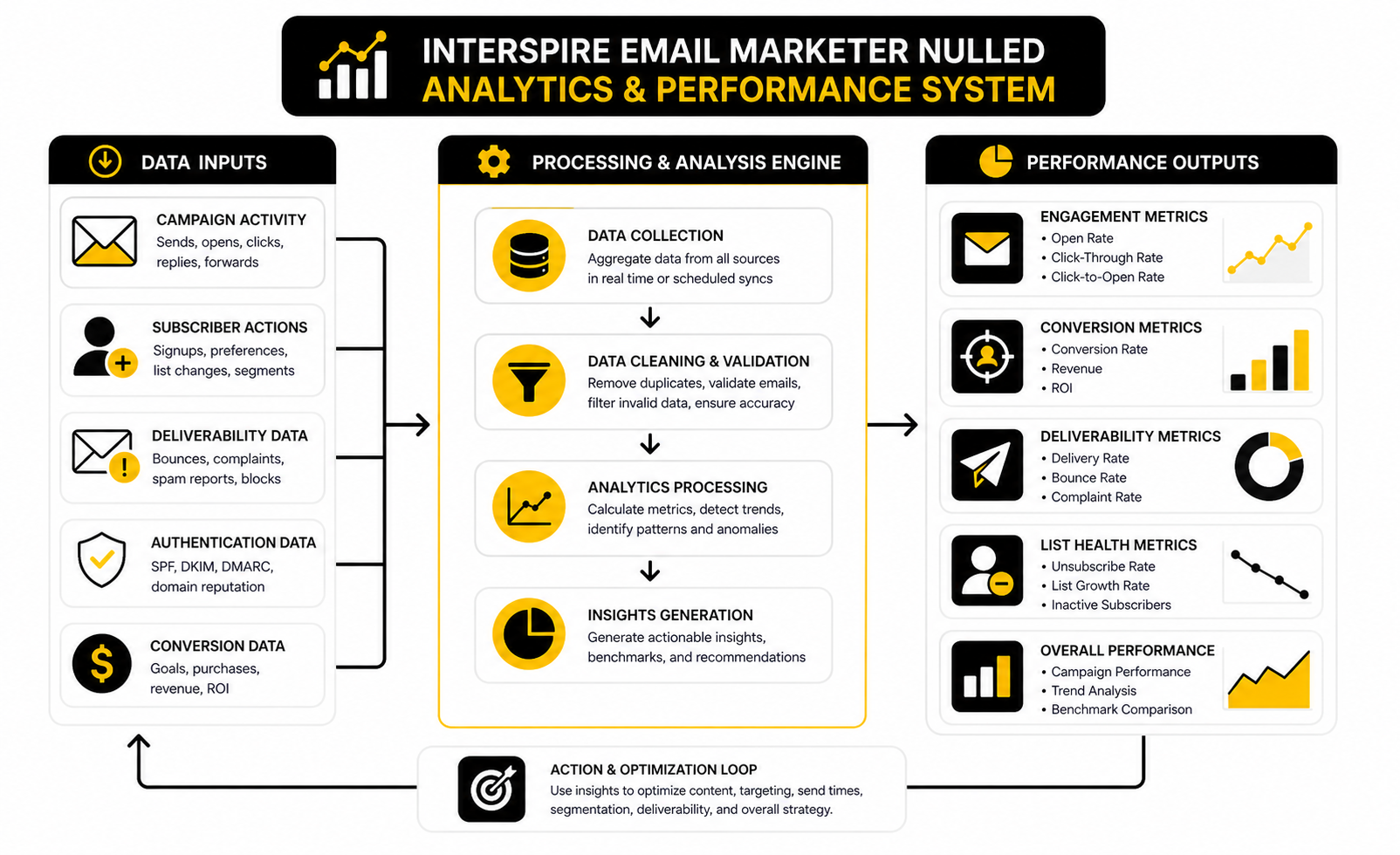
Software supply chain risk keeps getting attention because compromised or untrusted software can become the delivery mechanism for bigger attacks. Recent security research continues to describe software supply chains as a major attack surface, with malicious code, dependency compromise, and credential theft among the recurring concerns in the 2025 Software Supply Chain Security Report. Email marketers do not need to become cybersecurity researchers, but they do need to understand the basic point: trusted software matters.
Data Portability Should Be Planned Early
A professional email setup should never trap you. You should be able to export contacts, suppression lists, unsubscribes, campaign reports, templates, automations, and key engagement history where the platform allows it. Portability matters because tools change, teams change, and strategy changes.
This is another reason to evaluate software seriously before moving the full list. Ask what data can be exported, how suppression records are preserved, whether engagement history can be migrated, and how backups work. These questions are boring until the day you need to leave a platform quickly.
With interspire email marketer nulled, data portability is risky for a different reason. You may be able to export data, but you cannot easily prove the database has not been altered, copied, or exposed. A backup from an untrusted system can carry uncertainty with it.
Agencies Need A Higher Standard
Agencies have an even stronger reason to avoid nulled email software. Client work adds reputational, contractual, and operational risk. If a client’s list, sending domain, or campaign data is damaged because the agency used unlicensed software, the cost is not just technical cleanup.
Agencies need repeatable processes. They need standard onboarding, domain authentication checklists, approval workflows, reporting templates, suppression handling, user permissions, and escalation paths. A platform like GoHighLevel can be attractive for agencies because it brings CRM, automation, funnels, and client management closer together instead of forcing every account into a custom server setup.
The expert-level point is simple: agencies should optimize for reliability, not clever shortcuts. A client does not care that a cracked script saved money if deliverability drops or data security becomes questionable. They care whether campaigns work and whether their brand is protected.
When Self-Hosted Still Makes Sense
Self-hosted email marketing can still make sense when the team has a real operational reason. Maybe they need specific data control, custom integrations, internal hosting policies, or direct ownership of the application layer. That can be valid.
But the requirements are serious. Use licensed software. Harden the server. Keep backups. Patch regularly. Restrict access. Monitor logs. Use reputable sending infrastructure. Document DNS. Test unsubscribe and bounce handling. Review compliance workflows before real subscribers touch the system.
That is the professional version of self-hosting. It is not the same thing as searching for interspire email marketer nulled and hoping the cheapest route will behave like enterprise infrastructure. Control is valuable only when it is paired with responsibility.
The Strategic Recommendation
The strategic recommendation is not complicated. If email is a meaningful channel for your business, do not gamble with the software layer. Use a legitimate self-hosted platform if you need ownership, or choose a reputable hosted tool if you want speed and simplicity.
For most marketers, creators, small businesses, and agencies, the better investment is not saving a license fee. It is building a clean sending foundation, improving segmentation, writing better offers, and connecting email to real business outcomes. That is where the money is.
A nulled platform distracts from that work. It gives you the feeling of saving money while adding legal, technical, security, compliance, and scaling problems. At an expert level, the answer becomes even clearer: the more important email is to your business, the less sense interspire email marketer nulled makes.
Build a stronger local presence with BAAM AI
Turn your website, Google profile, social channels, and AI visibility into one growth engine
Most businesses do not need more random marketing activity. They need a consistent presence system that helps the right people find them, trust them, and take action. BAAM AI brings strategy, local SEO, website updates, Google Maps visibility, social content, AI-search readiness, media production, and reporting into one practical monthly engine.
If you want your marketing to keep working after the campaign ends, start with a free BAAM AI presence audit. See how your business shows up today and where the fastest visibility wins are at BAAM AI.