
BAAM AI Blog
Professional Implementation And Strategic Tradeoffs
Once the measurement system is in place, the next challenge is scaling without making the customer experience worse. This is where omnichannel digital marketing gets more demanding. The basics are about connecting...
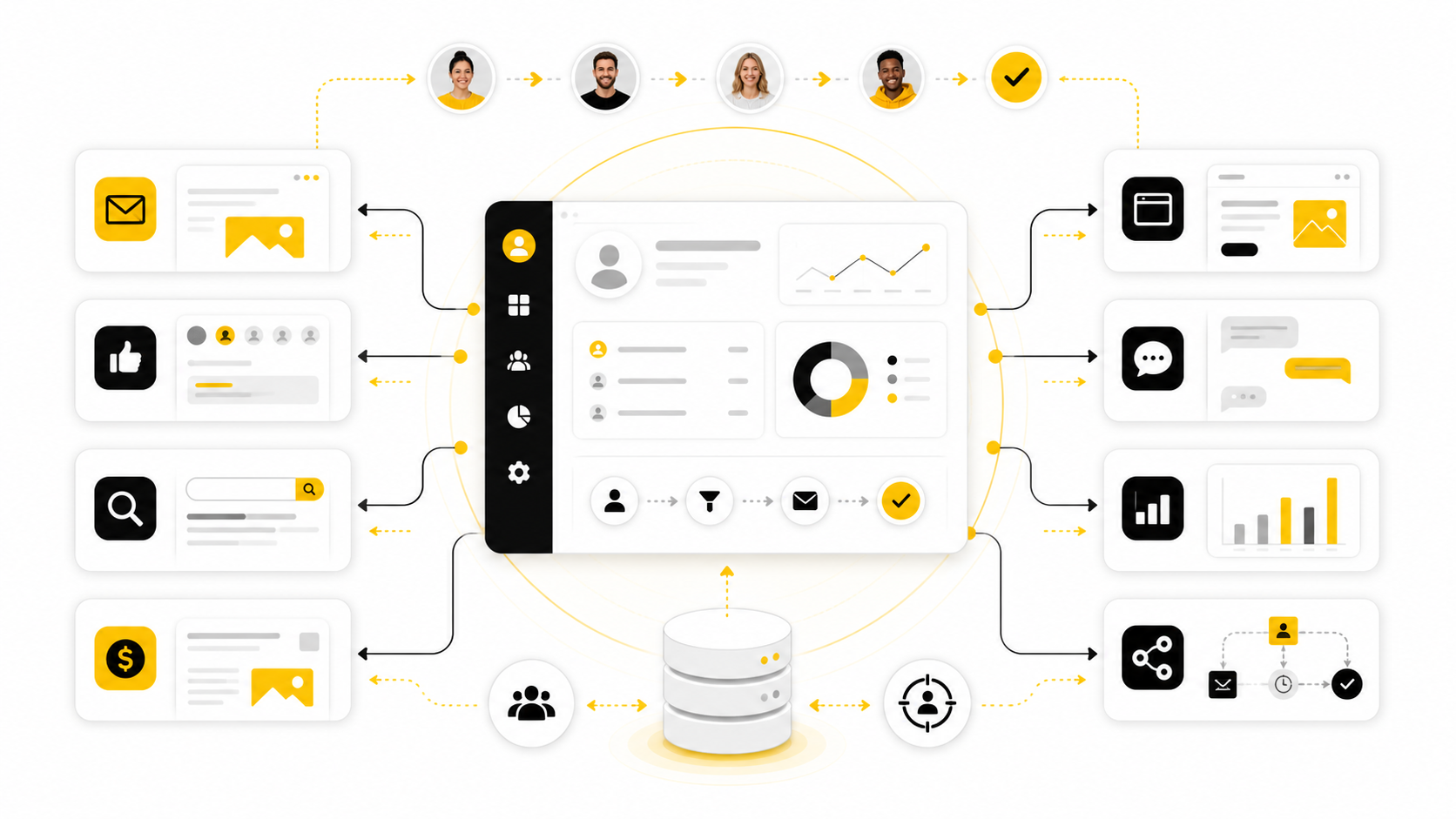
Once the measurement system is in place, the next challenge is scaling without making the customer experience worse. This is where omnichannel digital marketing gets more demanding. The basics are about connecting journeys; the advanced work is about making tradeoffs, protecting trust, and keeping the system useful as more channels, offers, and audience segments get added.
The temptation is to expand quickly. More automations, more retargeting audiences, more email sequences, more SMS prompts, more AI personalization, more landing pages, more dashboards. But more does not automatically mean better. A larger omnichannel system only works when the strategy, data, operations, and customer experience stay aligned.
That is the real professional standard. You are not just asking, “Can we send this?” You are asking, “Should we send this, to this person, through this channel, at this moment, based on what they have already done?”
The Personalization Tradeoff
Personalization is one of the biggest promises of omnichannel digital marketing, but it also creates one of the biggest risks. When it is done well, it makes the journey feel relevant and helpful. When it is done badly, it feels invasive, robotic, or strangely overfitted to one small behavior.
The useful version of personalization starts with context. A returning customer should not be treated like a stranger. A high-intent lead should not receive beginner-level education forever. A buyer who already purchased should not keep seeing the same acquisition offer. These are practical improvements that make the experience cleaner.
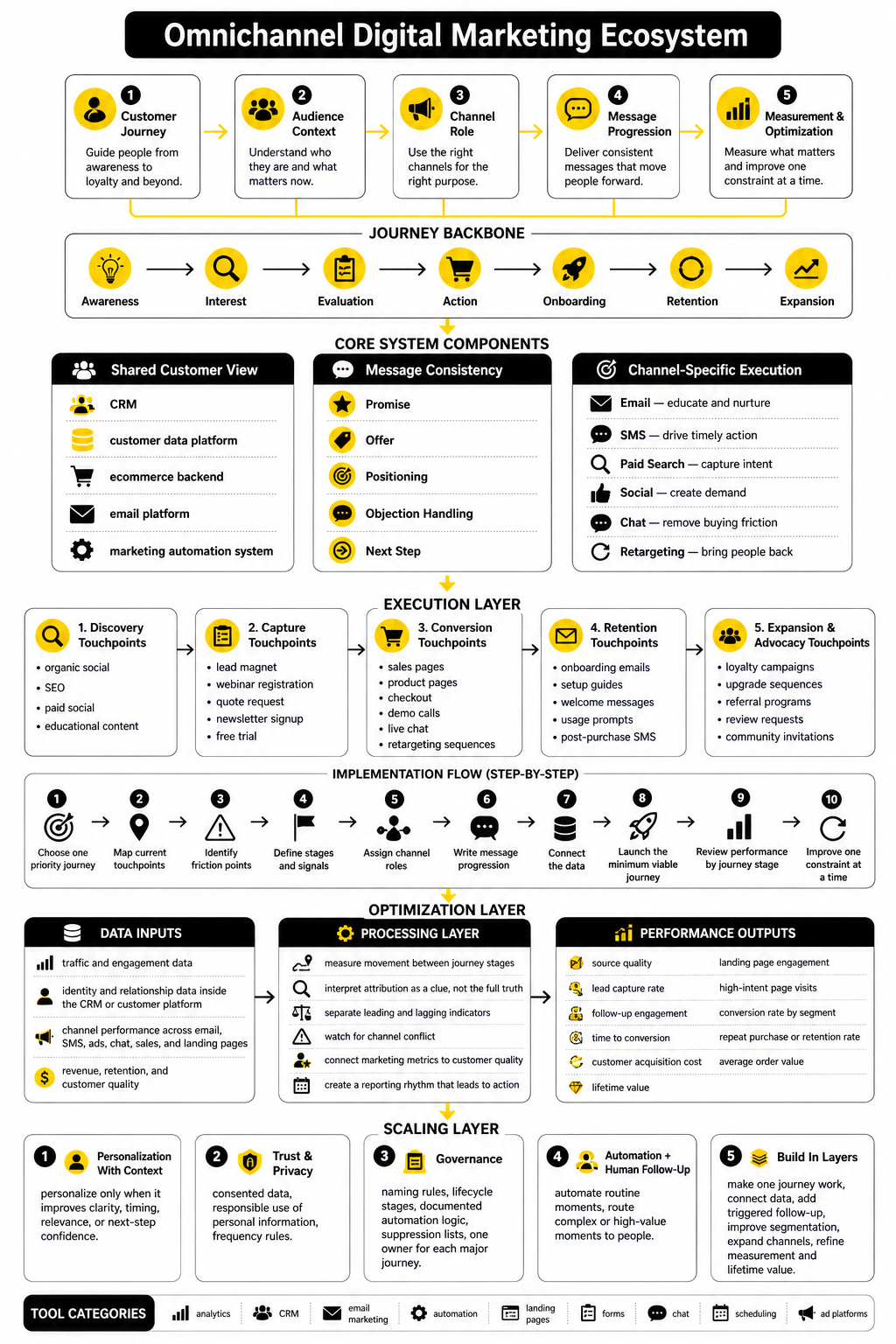
The risky version tries to personalize every detail just because the data exists. That can create awkward messages, fragmented reporting, and campaigns that are too complex to maintain. The better rule is simple: personalize when it improves clarity, timing, relevance, or next-step confidence. Do not personalize just to prove that you can.
Trust Is A Growth Constraint
Trust is not a soft metric anymore. It affects opt-ins, conversion rates, repeat purchases, referrals, review quality, and long-term customer value. PwC’s 2025 customer experience research found that 29% of consumers stopped using or buying from a brand because of poor customer experience, which is exactly why aggressive omnichannel execution can backfire.
The trust problem usually starts with small mistakes. A customer gets too many messages. A brand uses data in a way that feels surprising. A sales rep follows up without understanding what the lead already asked. A customer receives a discount after paying full price. None of these issues require a massive failure, but they add up quickly.
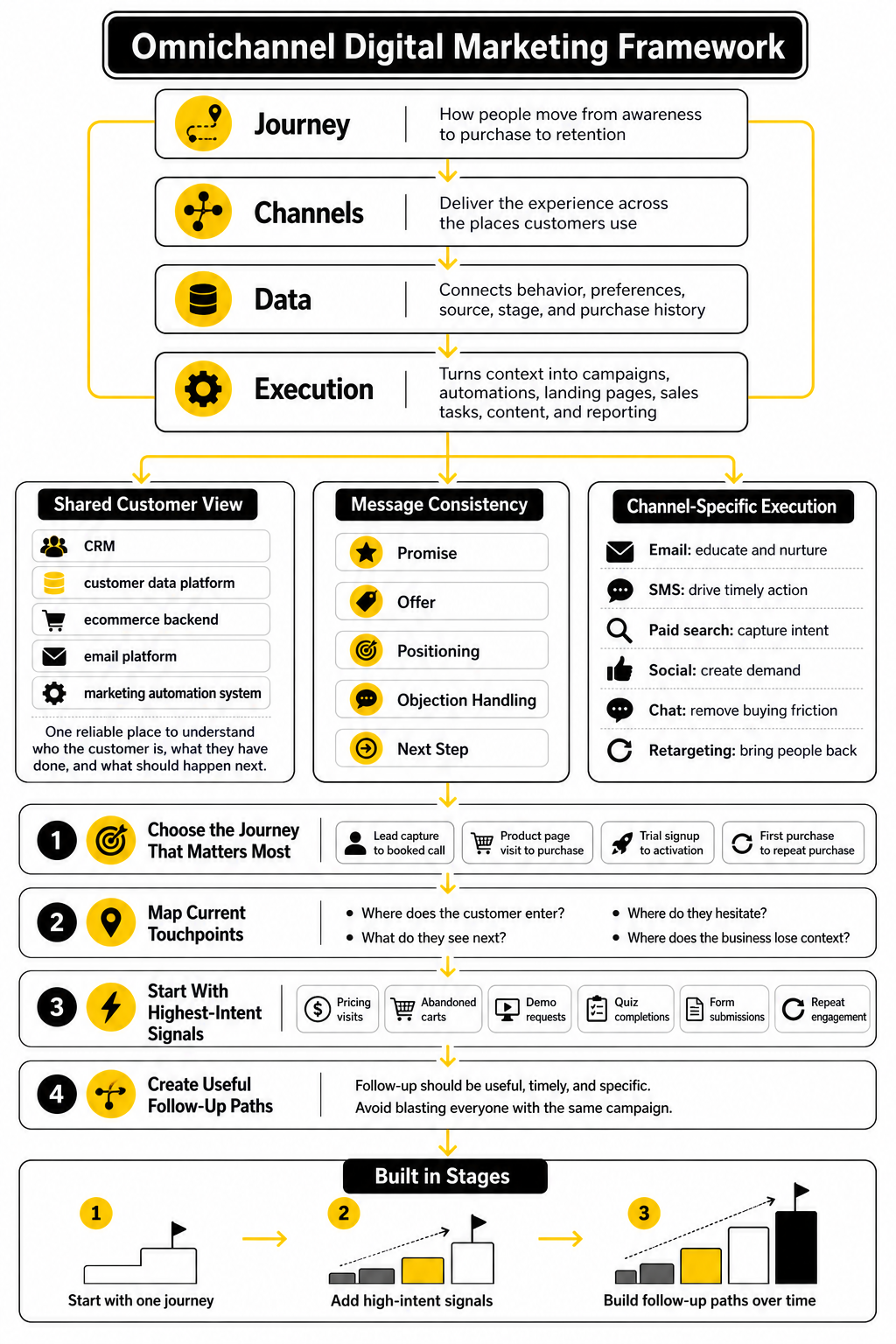
Strong omnichannel systems protect trust with clear rules. They define how often customers can be contacted, which channels are appropriate for which messages, when customers should be excluded, and how sensitive data should be used. That discipline may reduce short-term message volume, but it usually improves the quality of the relationship.
Privacy-First Marketing Is Not Optional
Privacy rules, browser changes, consent expectations, and platform limitations have changed how digital marketing works. Brands can no longer assume that every customer action will be trackable across every device and channel. That means omnichannel strategy has to rely more on consented data, first-party relationships, clear value exchange, and better owned-channel experiences.
This is not just a compliance issue. Qualtrics XM Institute’s 2025 research found that when consumers trust companies to use personal information responsibly, they are more comfortable with companies using that data to personalize experiences. In plain English: trust increases the room you have to personalize.
The practical move is to make data collection feel earned. Ask for information when it clearly improves the customer experience. Explain the value of signing up, completing a quiz, choosing preferences, or sharing purchase intent. Then use that data in ways the customer would understand, not in ways that make them wonder how much the brand is watching.
Avoid Building A Tool-First Strategy
Tools matter, but they should not lead the strategy. A team can buy a CRM, email platform, chatbot, landing page builder, analytics tool, and attribution platform and still deliver a disconnected journey. Software only helps when the journey design, data rules, and operating rhythm are clear.
The tool-first mistake usually shows up as complexity. Teams add platforms to fix symptoms instead of fixing the process. They buy a new automation tool because follow-up is weak, but the real issue is unclear segmentation. They add another reporting dashboard because attribution is messy, but the real issue is inconsistent campaign naming and disconnected customer records.
A better approach is to define the job first. If the business needs better lead routing, choose tools around that. If the bottleneck is checkout recovery, choose tools around that. If the problem is landing page testing, a builder like Replo may fit ecommerce teams that need faster page execution. If the problem is funnels and offer flow, ClickFunnels can make sense for simpler campaign builds. The right tool is the one that supports the journey without adding unnecessary drag.
Scale With Governance, Not Guesswork
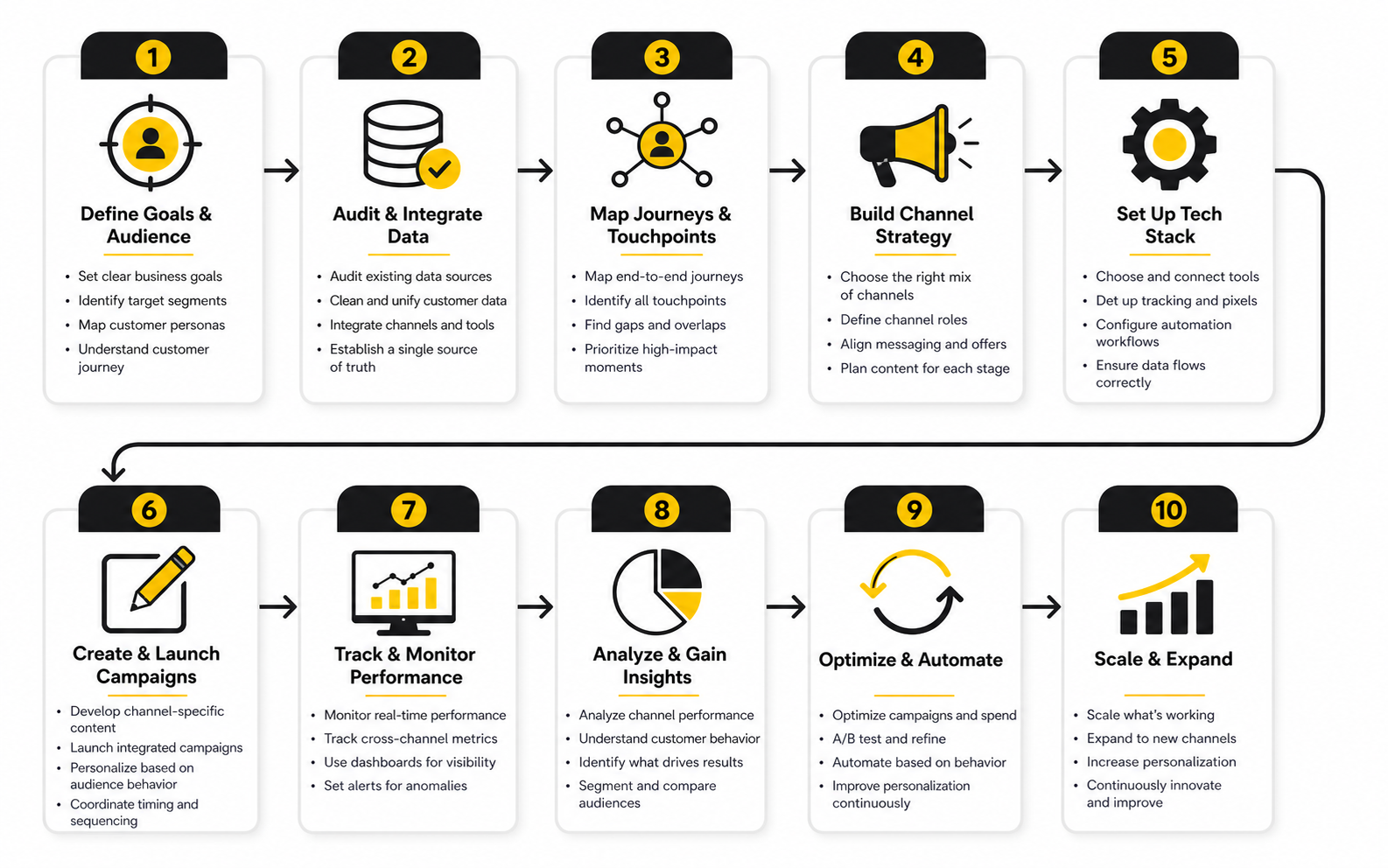
As omnichannel digital marketing grows, governance becomes more important. Governance sounds boring, but it is what keeps the system from becoming a mess. It defines who owns the journey, who approves messages, who maintains segments, who watches data quality, and who decides when campaigns should be retired.
Without governance, teams duplicate automations, use conflicting offers, create inconsistent naming conventions, and forget which segments are connected to which campaigns. That creates operational debt. The system may still run, but nobody fully trusts it.
Good governance does not need to slow everything down. It can be lightweight and practical. Create naming rules for campaigns, define lifecycle stages, document automation logic, maintain a suppression list, review customer-facing sequences regularly, and assign one owner for each major journey. That gives the team speed without chaos.
Balance Automation And Human Follow-Up
Automation is powerful, but it should not remove human judgment from moments where judgment matters. Some interactions should be automated because they are predictable and time-sensitive. Others should be routed to a person because the customer needs nuance, reassurance, negotiation, or problem-solving.
For example, an abandoned checkout reminder can be automated. A booked-call reminder can be automated. A welcome sequence can be automated. But a high-value lead asking a specific pricing question may deserve a direct response, and an unhappy customer may need a human before they receive another promotional campaign.
The best omnichannel systems combine both. Automation handles speed, consistency, and routine follow-up. Humans handle complexity, emotional moments, high-value opportunities, and exceptions. That balance protects the experience while still giving the business leverage.
Build For Customer Lifetime Value
Advanced omnichannel strategy should not stop at acquisition. If the system only optimizes for the first conversion, it can accidentally attract customers who are expensive to serve, likely to churn, or unlikely to buy again. That looks good in short-term campaign reports and bad in the business.
Customer lifetime value changes the decision-making process. It asks which sources, messages, offers, and journeys produce customers who stay, repeat, refer, upgrade, and create margin. That is a better question than simply asking which campaign produced the cheapest lead or sale.
This is where retention data should influence acquisition strategy. If customers from one channel have stronger repeat purchase behavior, that channel may deserve more investment even if the first purchase costs more. If another campaign produces quick conversions but weak retention, the business should tighten the offer, improve qualification, or reduce spend.
Watch The Risk Of Over-Automation
Over-automation is one of the fastest ways to make a brand feel careless. It happens when every behavior triggers a message, every segment receives a sequence, and every channel is used because it is available. The result is technically sophisticated but emotionally exhausting.
The warning signs are easy to spot. Unsubscribe rates rise. Reply sentiment gets worse. Customers complain about repeated messages. Sales teams hear that leads feel “chased.” Existing customers receive irrelevant promotions. These are signs that the system is optimizing for activity instead of experience.
The fix is not to remove automation. The fix is to make automation more selective. Use stronger triggers, add delay rules, suppress irrelevant audiences, cap frequency, and create exits when the customer takes action. A more carefully system often sends fewer messages and gets better results.
Make AI Useful Without Letting It Run The Strategy
AI can help with omnichannel execution, especially in content variation, segmentation, predictive scoring, chat support, analysis, and campaign testing. It can reduce manual work and reveal patterns that are hard to see in large datasets. Used well, it helps teams move faster without losing the thread of the customer journey.
But AI should not be allowed to define the strategy blindly. It can produce more messages than customers actually want. It can optimize toward short-term engagement instead of long-term trust. It can also create generic content at scale if the brand does not provide clear positioning, audience insight, and editorial judgment.
Use AI where the task is repetitive, data-heavy, or speed-sensitive. Keep humans responsible for positioning, offer strategy, customer empathy, privacy judgment, and final creative direction. That balance matters because omnichannel digital marketing is not just a data problem; it is a relationship problem.
Prepare For Measurement Gaps
Even a strong analytics setup will have gaps. Some customers will research privately, switch devices, block tracking, clear cookies, or convert after offline conversations. Some brand influence will show up late or indirectly. This is normal, and pretending otherwise leads to overconfident decisions.
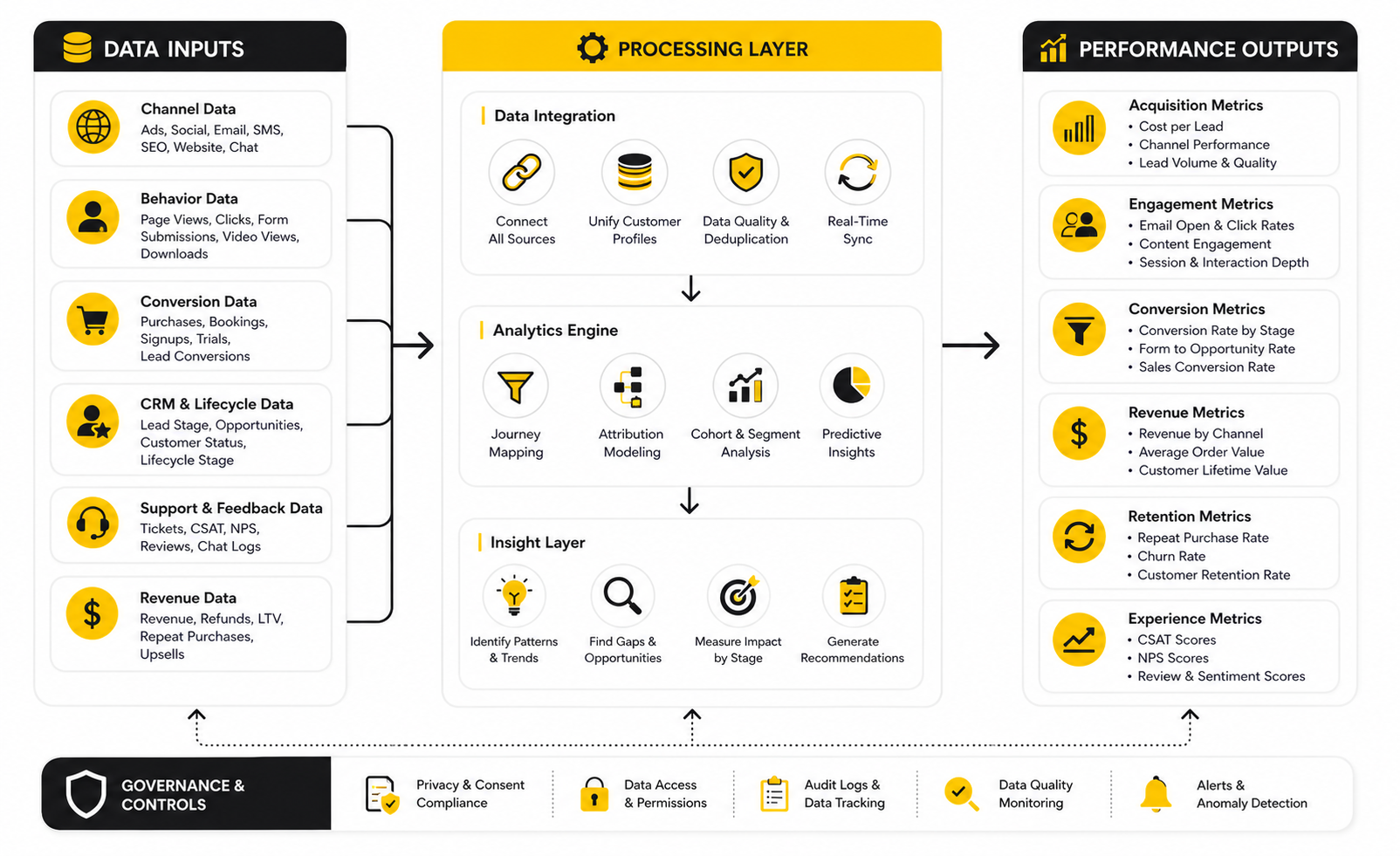
The goal is not perfect measurement. The goal is decision-grade measurement. You need enough reliable data to see patterns, compare journeys, identify bottlenecks, and make better choices. That usually requires combining platform analytics, CRM data, customer feedback, sales notes, support themes, and revenue outcomes.
This is why advanced teams avoid relying on one attribution model alone. They look at multiple views of the journey and ask what each view can and cannot explain. The result is less certainty on paper, but better judgment in practice.
Decide What Not To Do
A mature omnichannel strategy includes deliberate limits. Not every channel belongs in the system. Not every customer behavior deserves a trigger. Not every audience needs a separate sequence. Not every tool needs to be integrated immediately.
This is a strategic advantage. When the team knows what not to do, execution gets cleaner. Messaging becomes easier to manage, reporting becomes more useful, and customers receive fewer irrelevant interactions.
The best question is not “How many channels can we activate?” The better question is “Which touchpoints make the journey meaningfully better?” If a channel does not improve discovery, capture, conversion, retention, expansion, or customer understanding, it may not belong in the system yet.
Build The System In Layers
Scaling omnichannel digital marketing works best when the system is built in layers. First, make one journey work. Then connect the most important data. Then add triggered follow-up. Then improve segmentation. Then expand into additional channels. Then refine measurement and lifetime value.
This layered approach prevents the team from drowning in complexity. It also creates proof before expansion. Each layer should make the journey more useful, not just more advanced.
That is the standard to keep coming back to. Omnichannel digital marketing is not impressive because it uses many channels. It is impressive when the customer feels understood, the business can see what is working, and the system gets easier to improve over time.
Build a stronger local presence with BAAM AI
Turn your website, Google profile, social channels, and AI visibility into one growth engine
Most businesses do not need more random marketing activity. They need a consistent presence system that helps the right people find them, trust them, and take action. BAAM AI brings strategy, local SEO, website updates, Google Maps visibility, social content, AI-search readiness, media production, and reporting into one practical monthly engine.
If you want your marketing to keep working after the campaign ends, start with a free BAAM AI presence audit. See how your business shows up today and where the fastest visibility wins are at BAAM AI.