
BAAM AI Blog
Press Release Copywriting: How to Craft News Media–Ready Releases That Get Read
Press release copywriting is the art of writing news announcements that journalists can quickly read, use, and publish to drive media coverage and public awareness. It’s not the same as a marketing ad or a blog post...
Press release copywriting is the art of writing news announcements that journalists can quickly read, use, and publish to drive media coverage and public awareness. It’s not the same as a marketing ad or a blog post - it’s a structured, concise news document focused squarely on delivering timely, factual information that matters to media professionals and their audiences. The goal of a press release is clear: get coverage, increase brand visibility, and generate credibility through third‑party reporting rather than self‑promotion.
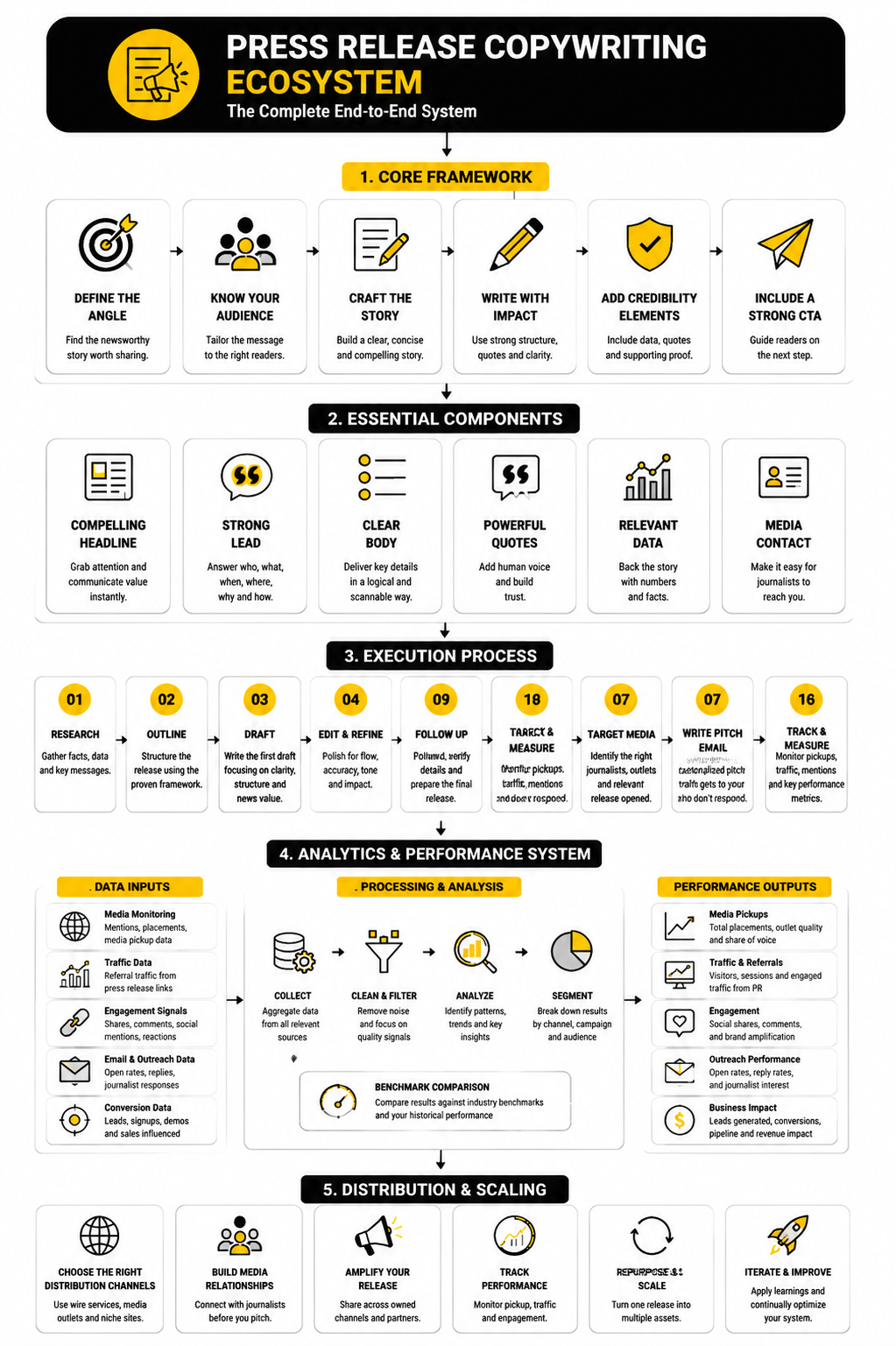
To be effective, press release copy must follow a predictable structure. Most professional releases start with a clear headline, followed by a dateline, a strong lead paragraph that answers the essential questions (who, what, when, where, why and how), then body details, quotes that add human insight, and a boilerplate about the organization with contact information at the end. Journalists typically receive dozens of releases daily, so structure isn’t arbitrary - it’s what makes your story skimmable and usable at a glance.
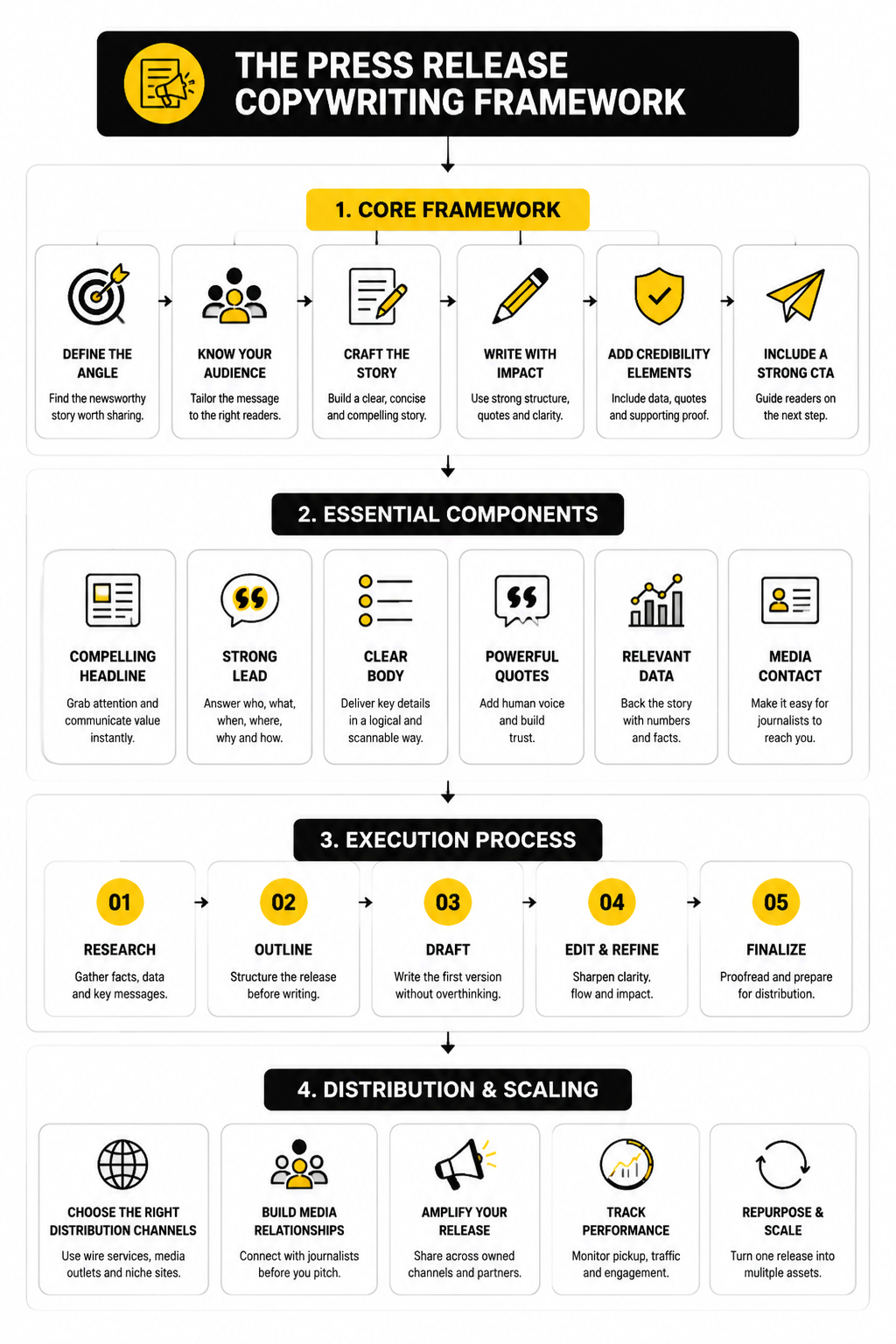
here series, you’ll learn not just what these components are, but how to implement them with clarity and confidence so your press release stands out in crowded inboxes and increases your chances of coverage. We’ll break down why each section matters, how to write it well, and how to align your message with what media outlets are actually looking for.
Core Components of an Effective Press Release
To write press release copywriting that genuinely works, you need to master its underlying structure - the parts journalists expect and the roles each fulfills in conveying your news. Recognizing these core components not only makes your release more readable but significantly increases the chances a reporter will use it instead of deleting it unread.
The Headline and Subheadline
The headline is the first impression of your press release. This isn’t a marketing tagline - it’s a concise summary of the news that helps a journalist decide whether to open your email. A strong headline is factual, under about 90 characters, and communicates the essence of what’s happened. Some releases also include a subheadline for extra context - a short, informative line that adds a second angle or key data point.
The Dateline and Lead Paragraph
Right below the headline, the dateline tells readers where and when the news is released. This spot of context is especially important for local or regional coverage. What follows is the lead paragraph - the most critical segment of any release. In 2–3 sentences, it must answer the core journalistic questions of who, what, when, where, why, and how so that a reporter understands the whole story even if they read nothing else.
Body Content and Context
After the lead, the body of your press release expands on the news with supporting details, context, and data. This is where you explain the background, why the news matters, and provide facts that help a journalist flesh out a story. Keep paragraphs short, use simple language, and include bullet points for clarity when appropriate.
Quotes that Add Perspective
Quotes are a key component because they bring a human voice and credibility to your announcement. Instead of repeating facts already stated, effective quotes offer insight or interpretation - for example from an executive, expert, or stakeholder - that adds depth and emotion to the narrative.
Boilerplate and Contact Information
At the bottom of the release, include a boilerplate - a short “About Us” section that gives journalists a quick snapshot of your organization’s mission and identity. Right after that, list clear media contact information with name, phone, and email so reporters can follow up for interviews or additional assets.
Each of these components performs a specific job in press release copywriting: grabbing attention, communicating essentials fast, adding legitimacy, and enabling easy follow‑up. When you use them correctly, your release becomes a tool journalists can trust and use directly in their reporting.
How to Write Press Release Copy Professionally
Now that you understand the core components of press release copywriting and why they matter, the next step is the execution - the real, practical process of writing a press release that journalists will read and use. This isn’t theory; it’s a step‑by‑step workflow that mirrors how seasoned PR professionals and newsroom editors approach press news content.
Start with News Validation and Research
Before you open your doc, ask yourself two questions:
Once the news angle is clear, gather all factual details - dates, names, figures, links, and quotes - upfront. This fact‑collection phase saves time and prevents errors later.
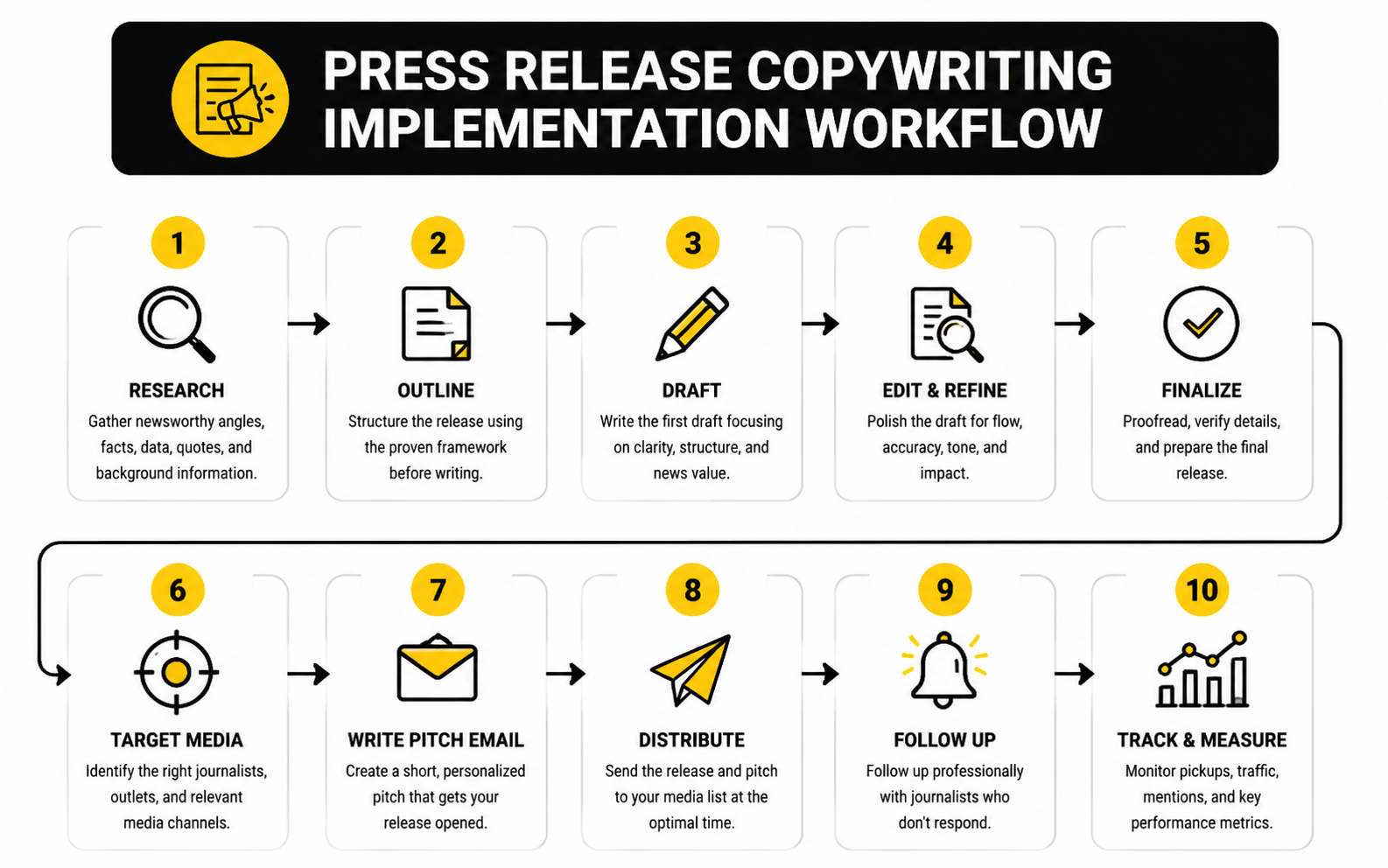
Step‑by‑Step Press Release Writing Process
Write the lead paragraph that answers the essential five W’s: who, what, when, where, and why your story matters. Good leads are concise and clear; journalists should grasp the core news in one quick read.
After your lead, flesh out the story with context, background, and data points that help journalists understand impact and relevance. Use the inverted pyramid structure: most important facts first, then supportive details.
Quotes should come from credible voices - a CEO, expert, or customer - and offer insights or perspective, not just restate facts. Well‑crafted quotes help editors bring a human angle to their articles.
With the body in place, come back to your headline. Make it short, news‑focused, and descriptive - precise enough that a journalist sees the value immediately. Subheadlines can add impactful data or context without burying the key message.
End your release with a short boilerplate describing your organization, followed by clear contact information for follow‑ups. Include name, role, phone, and email so reporters can easily reach you for assets or clarifications.
Polish for Professional Delivery
Once you’ve drafted your press release, don’t just hit send. Take these finishing steps to improve readability and credibility:
This disciplined approach transforms press release copywriting from vague guesswork into a reliable process. When you follow these steps, your release will communicate news clearly, respect journalists’ needs, and stand a much better chance of generating real coverage.
Statistics and Data for Press Release Copywriting Performance
Data isn’t just numbers on a dashboard - in press release copywriting, metrics are the evidence that your news resonated with real audiences, journalists, and potential customers. Understanding what the data means and what actions it should inspire helps you refine every future announcement so your next release performs better than the last. Quality measurement also helps justify PR budgets and shows leadership the value of strategic communication.
What Metrics Tell You About Your Press Release
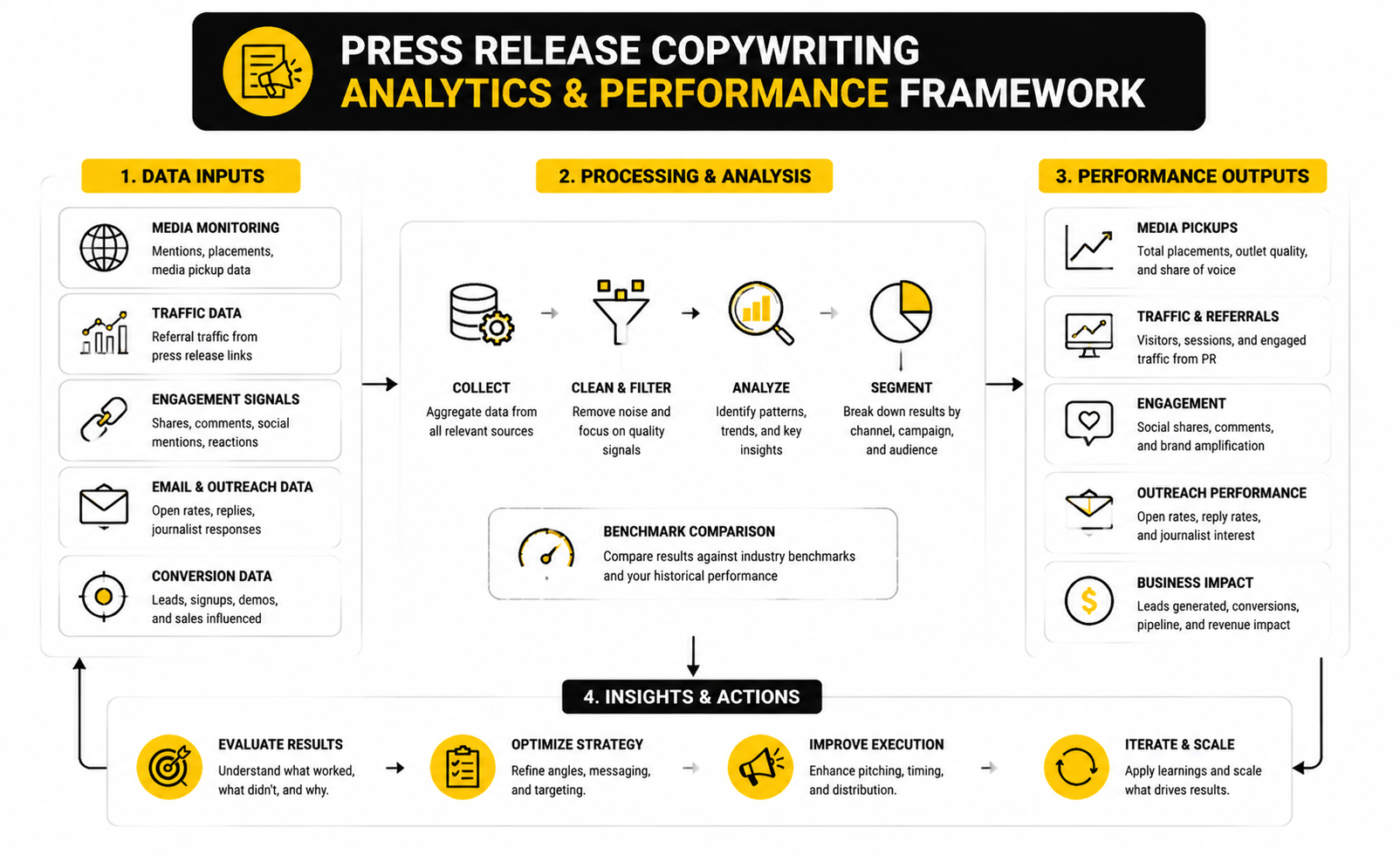
Good press release measurement goes beyond simple counts of views or media pickups. That’s because visibility alone doesn’t ensure impact - a release might reach 10,000 people but generate zero engagement or actions. Instead, you should focus on active engagement and business‑relevant outcomes.
Key performance indicators (KPIs) include:
Why These Numbers Actually Matter
Metrics in press release copywriting should inform decisions, not just report results. Here’s how to interpret and act on them:
Benchmarks You Can Use to Evaluate Results
While benchmarks vary by industry and release type, there are practical reference points based on recent practitioner data:
Turning Data Into Action
Data without context is noise. To make your press release copywriting truly strategic:
By focusing on meaningful metrics - and aligning them with your business goals - you turn press release copywriting from a one‑off announcement into a continuous learning engine that improves your brand’s visibility and influence over time.
Advanced Considerations for Press Release Copywriting
Once you’ve mastered the basics of press release copywriting and can reliably produce well‑structured announcements that earn pickups and engagement, the next level is strategic refinement - knowing when a release will move the needle, what risks to manage, and how to scale outcomes across campaigns. These expert considerations help you avoid common pitfalls and make your PR efforts more efficient and impactful over time.
Balancing Frequency with News Value
A frequent strategic error is treating press release distribution like a newsletter cadence - sending out announcements whenever there’s a minor update. In reality, news outlets and journalists treat releases as news signals, not marketing push messages. If you distribute too often without substantive developments, your releases can start to feel background noise rather than high‑impact content.
Instead, prioritize releases for events that meet a clear threshold of relevance. Editorial calendars and newsroom priorities differ by industry, so tailor your cadence based on what beats reporters actually cover - for example, product launches, funding milestones, industry research, or regulatory impact stories. Monitoring editorial calendars and trade beat patterns keeps your timing aligned with when journalists are most receptive. (bulldogreporter.com)
Strategic Targeting Beyond Mass Distribution
Many organizations still default to mass distribution lists in hopes of broad coverage, but targeted outreach generally yields far better quality placements. Mass distribution can increase visibility, but a tailored strategy - where you identify specific journalists, beats, and outlets that align with your news - increases relevance and engagement rates.
Targeted outreach may require more effort, but it also builds relationships:
This approach reframes press release copywriting from a distribution task to a journalist engagement strategy that respects editorial preferences.
Multimedia and Rich Assets as Differentiators
In an increasingly crowded media environment, plain text releases often underperform compared with those that include multimedia assets such as photos, infographics, charts, or video links. Visuals not only enhance the story’s clarity but also enable journalists to publish faster with richer context.
For example, embedding charts that summarize research findings or including high‑resolution product images can make a story more attractive to both digital and print outlets. While including multimedia doesn’t guarantee coverage, releases with well‑curated assets are more likely to be used because they reduce the workload for the publisher.
Mitigating Risks and Sensitivities
Press release copywriting carries reputational risk if news is poorly vetted or prematurely shared. Common pitfalls include:
To mitigate these risks, build pre‑release review checkpoints that include subject‑matter experts, legal counsel, and communications leadership. A clear approval process prevents miscommunication and ensures that all releases reflect organizational standards and factual accuracy.
Scaling Press Release Efforts Across Campaigns
As your organization grows and issues more releases, treat your press release process like a scalable workflow rather than a series of ad‑hoc tasks. Best practices include:
Creating a framework that balances structure with flexibility enables teams - whether internal or agency‑led - to execute press release copywriting more reliably and with less friction as volume increases.
Integrating Press Releases into Broader Communications
Finally, high‑performing PR strategies don’t treat press release copywriting as an isolated activity; they embed it within a broader communications ecosystem. This might include:
By thinking beyond the release itself - connecting it to broader audience engagement and business goals - you ensure that press releases support measurable organizational outcomes rather than just generating temporary visibility.
Through these advanced considerations, press release copywriting evolves from a tactical writing skill into a strategic communication lever that supports awareness, credibility, and long‑term growth.
What is press release copywriting?
Press release copywriting is the process of crafting structured news‑oriented text designed specifically for journalists and media outlets rather than general marketing audiences. It emphasizes factual clarity, timeliness, and relevance so editors can immediately understand and use the story.
How long should a press release be?
A professional press release typically ranges between 300–500 words to deliver concise information without overwhelming a journalist, though complex or data‑rich announcements may extend slightly beyond this range while still prioritizing clarity.
Does press release copywriting require multimedia?
While not mandatory, including multimedia assets such as photos, infographics, or videos often increases visibility and engagement because outlets can publish richer content more easily, reducing editorial workload.
Where should I distribute my press release?
Distribution strategies vary by audience, but effective press release copywriting includes targeted outreach to specific journalists, niche publications, and relevant industry outlets rather than broad, untargeted lists.
How do I measure the success of a press release?
Key metrics include media pickups, click‑through rates to landing pages, referral traffic from published placements, and quality backlinks that contribute to long‑term SEO value within your communications ecosystem.
Can social media replace press release distribution?
Social media amplifies reach but doesn’t replace the structured nature of press releases. Releases are written for editorial use and credibility in newsrooms; social amplification complements rather than substitutes this role.
How often should I issue press releases?
Releases should be sent only for newsworthy updates rather than routine announcements. The quality and relevance of the news matter far more than frequency when targeting editorial coverage.
Do press releases improve SEO?
When published by reputable outlets with backlinks to your site, press releases can contribute to search visibility and organic authority. However, press release copywriting should focus on journalistic utility first, with SEO benefits as a secondary outcome.
What common mistakes should I avoid in press release copywriting?
Avoid overly promotional language, unnecessary jargon, vague news angles, and poor headline structure. Press releases should be factual, concise, and clearly relevant to the media audiences you’re targeting.
Should press release copywriting differ by industry?
Yes. Industry‑specific language, audience expectations, and publication norms vary, so tailoring your approach - including tone, data emphasis, and distribution targets - improves effectiveness across sectors.
Build a stronger local presence with BAAM AI
Turn your website, Google profile, social channels, and AI visibility into one growth engine
Most businesses do not need more random marketing activity. They need a consistent presence system that helps the right people find them, trust them, and take action. BAAM AI brings strategy, local SEO, website updates, Google Maps visibility, social content, AI-search readiness, media production, and reporting into one practical monthly engine.
If you want your marketing to keep working after the campaign ends, start with a free BAAM AI presence audit. See how your business shows up today and where the fastest visibility wins are at BAAM AI.