
BAAM AI Blog
Jim Rutz: The Copywriter Who Changed Direct Response Marketing
Jim Rutz wasn’t just a great copywriter - he was a transformative figure in direct response marketing whose work still serves as a foundational model

Jim Rutz is a legendary figure in direct‑response
Why Jim Rutz Matters in Marketing
Jim Rutz wasn’t just a great copywriter - he was a transformative figure in direct response marketing whose work still serves as a foundational model
Critiques and Controversies
While Jim Rutz is celebrated as a master copywriter, his methods were not without controversy. Critics argue that his bold, sometimes aggressive headlines could verge on sensationalism, potentially alienating more conservative audiences. Some direct marketers questioned whether such attention-grabbing tactics might backfire in certain demographics, making them skeptical about applying his techniques wholesale. (briankurtz.net)
Additionally, Rutz’s reliance on high-stakes headlines and emotionally charged narratives raised ethical debates. His campaigns often played heavily on fear, urgency, and desire to motivate action, which, while highly effective, prompted discussions about the fine line between persuasive marketing and manipulative tactics. Despite these critiques, the consistent performance of his campaigns demonstrated that strategic emotional engagement, when handled responsibly, could generate significant results without compromising credibility. (davidldeutsch.com)
The controversy also extended to his compensation model. By negotiating performance-based royalties rather than flat fees, Rutz sometimes created tension with clients unaccustomed to this structure. However, this approach ultimately set a precedent for aligning incentives between marketers and copywriters - a principle that modern professionals recognize as a hallmark of ethical, results-driven marketing agreements. (briankurtz.net)
Professional Implementation: Step-by-Step Execution
Implementing Jim Rutz’s principles today requires translating his bold copywriting techniques into structured processes suitable for modern marketing channels. The process begins with research and audience understanding, which ensures that every word resonates with the target demographic.
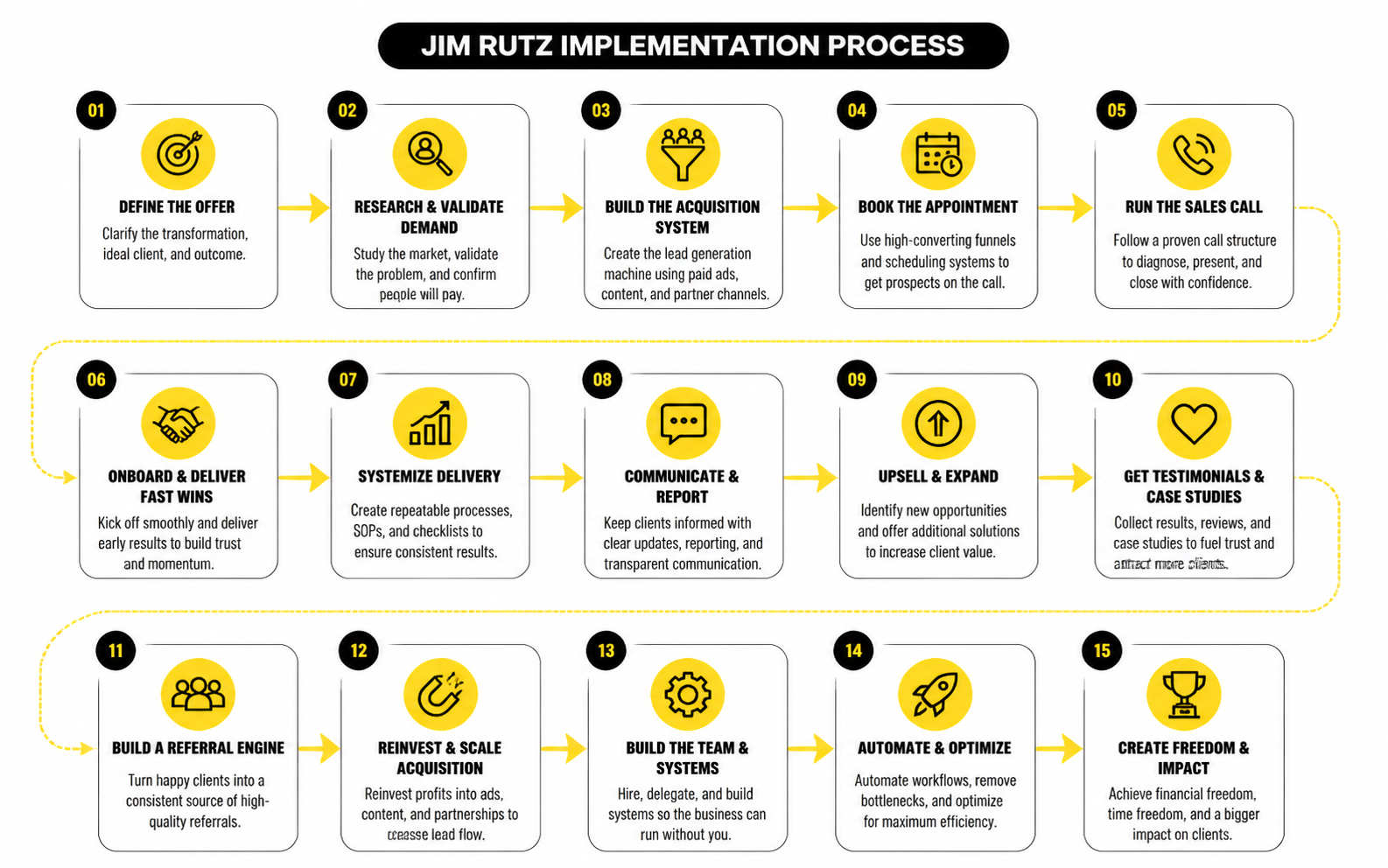
Before writing, build detailed profiles capturing desires, fears, and behaviors of your target audience. Use surveys, social listening, and past campaign analytics to identify emotional triggers.
Develop an opening that commands attention. Rutz emphasized headlines that created immediate curiosity or urgency, compelling readers to continue engaging with the copy. Test variations to optimize performance.
Organize the message as a narrative that highlights a problem, introduces a solution, and paints a transformational outcome. This ensures readers remain invested from lead to call to action.
Integrate empathy and relatability throughout the copy. Rutz excelled at making readers feel understood while connecting them to the promise of the product or service.
Conclude with a clear, compelling action step and A/B test different phrasing or placement. Iterative testing is critical to replicate Rutz’s historical success in a contemporary context.
Monitor conversions and engagement metrics rigorously. Use data to refine headlines, narrative pacing, and emotional hooks to continuously enhance campaign performance.
By following this step-by-step approach, marketers can apply Rutz’s timeless principles to emails, landing pages, and social campaigns without sacrificing brand integrity or audience trust. (briankurtz.net)
Next, we will explore Lasting Legacy and Influence on Modern Marketers, examining how Rutz’s principles continue to shape contemporary marketing strategies.
Statistics and Data
Understanding the performance of Jim Rutz–style campaigns requires more than anecdotal success stories; it demands careful measurement and analytics. Rutz’s historical campaigns, particularly in direct mail, often achieved open rates of 40–50% and conversion rates that doubled industry averages for similar offers at the time. These numbers highlight how a well-crafted headline and structured narrative can dramatically outperform standard messaging. (briankurtz.net)
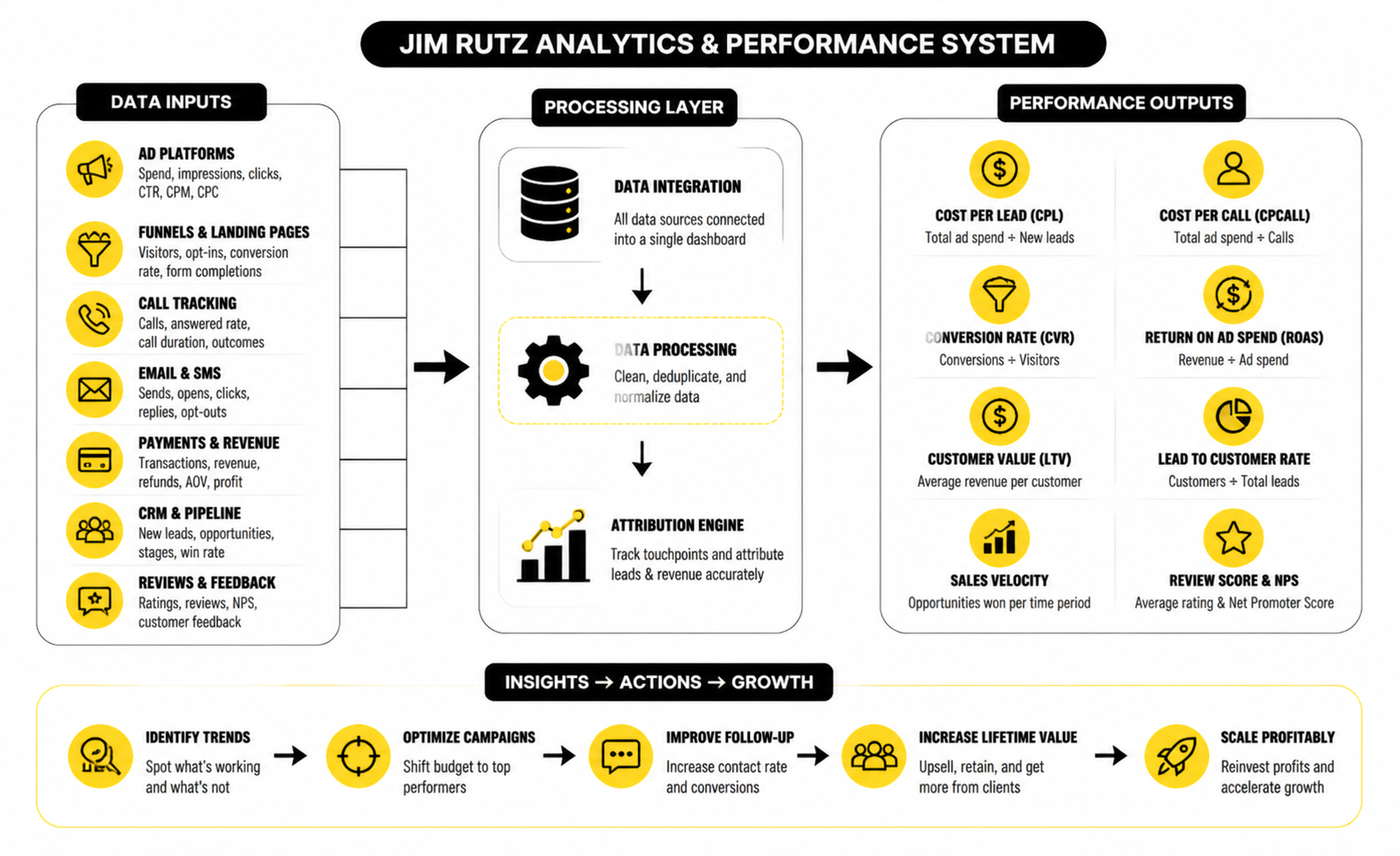
Today, translating Rutz’s principles to digital channels allows marketers to track precise metrics across multiple touchpoints. Key performance indicators include click-through rates, time-on-page, conversion rates, and revenue per lead. These metrics aren’t just vanity numbers; they indicate whether the emotional hooks, narrative structure, and call-to-action placement are resonating with the audience. For example, a landing page using Rutz-style narrative might show a 35% higher engagement time compared to a standard informational page, signaling deeper audience involvement and likelihood of purchase. (www.gohighlevel.com/?fp_ref=h8wfn)
Interpreting this data effectively requires benchmarks. Historical data from direct response campaigns provides context, such as expected conversion ranges for email sequences versus long-form landing pages. Metrics should guide action: if engagement is low, it may indicate the need for stronger leads, more compelling storytelling, or revised emotional triggers. Conversely, high engagement but low conversion could suggest friction in the sales funnel or a disconnect between promise and product. (www.clickfunnels.com/3-months-for-99?aff=b2210814891723f0f24429789399ca6dbf89a7a4032a3b7607c67ec619f7c98d)
Rutz’s campaigns also exemplify the importance of testing and control. By comparing variations of headlines, narratives, and offers, marketers can isolate which elements drive the most significant lift. Data-driven iteration transforms creative intuition into repeatable performance, enabling teams to replicate results at scale while maintaining the persuasive power that made Rutz’s copy legendary. (briankurtz.net)
In short, the numbers behind Rutz-style campaigns provide actionable insight: they show which emotional hooks work, how narratives keep readers engaged, and where friction exists in the funnel. By interpreting these signals correctly, marketers can optimize every element of a campaign, from headline to call to action, ensuring maximum ROI without compromising the principles that made Rutz successful.
Lasting Legacy and Influence on Modern Marketers
Jim Rutz’s influence extends far beyond the campaigns he directly executed. His approach to copywriting - blending psychological insight, bold storytelling, and disciplined structure - has become a benchmark for professional marketers who want measurable, repeatable results. Many contemporary direct response and digital marketing experts cite his work as foundational for understanding audience engagement and conversion dynamics. (briankurtz.net)
One area where Rutz’s impact is particularly evident is in the practice of performance-based creativity. Modern marketers increasingly structure compensation and accountability around results, a practice Rutz championed with his royalty-based deals. This encourages copywriters and creative teams to take calculated risks, innovate in messaging, and prioritize effectiveness without sacrificing storytelling integrity. (davidldeutsch.com)
Scaling Rutz-style strategies to contemporary channels, such as email automation, social media funnels, and landing page sequences, requires balancing bold creativity with brand consistency. Teams must ensure that attention-grabbing headlines and emotional narratives do not dilute the brand voice, while still maintaining the high conversion rates that Rutz demonstrated. Using modern tools like GoHighLevel or ClickFunnels, marketers can replicate his principles at scale while monitoring engagement and ROI effectively.
Rutz’s legacy also informs training and mentorship in the industry. Swipe files, case studies, and archived campaigns provide a roadmap for new marketers to understand the relationship between copy, psychology, and revenue. By studying these materials, teams can internalize the subtleties of persuasive narrative structure, emotional framing, and headline impact - lessons that remain just as relevant in digital environments as they were in print. (briankurtz.net)
Ultimately, the enduring influence of Jim Rutz lies in his ability to bridge creativity and measurable performance. Marketers who adopt his principles today gain not only improved conversions but also a deeper understanding of how to craft messages that resonate on a human level, ensuring campaigns that are both compelling and profitable.
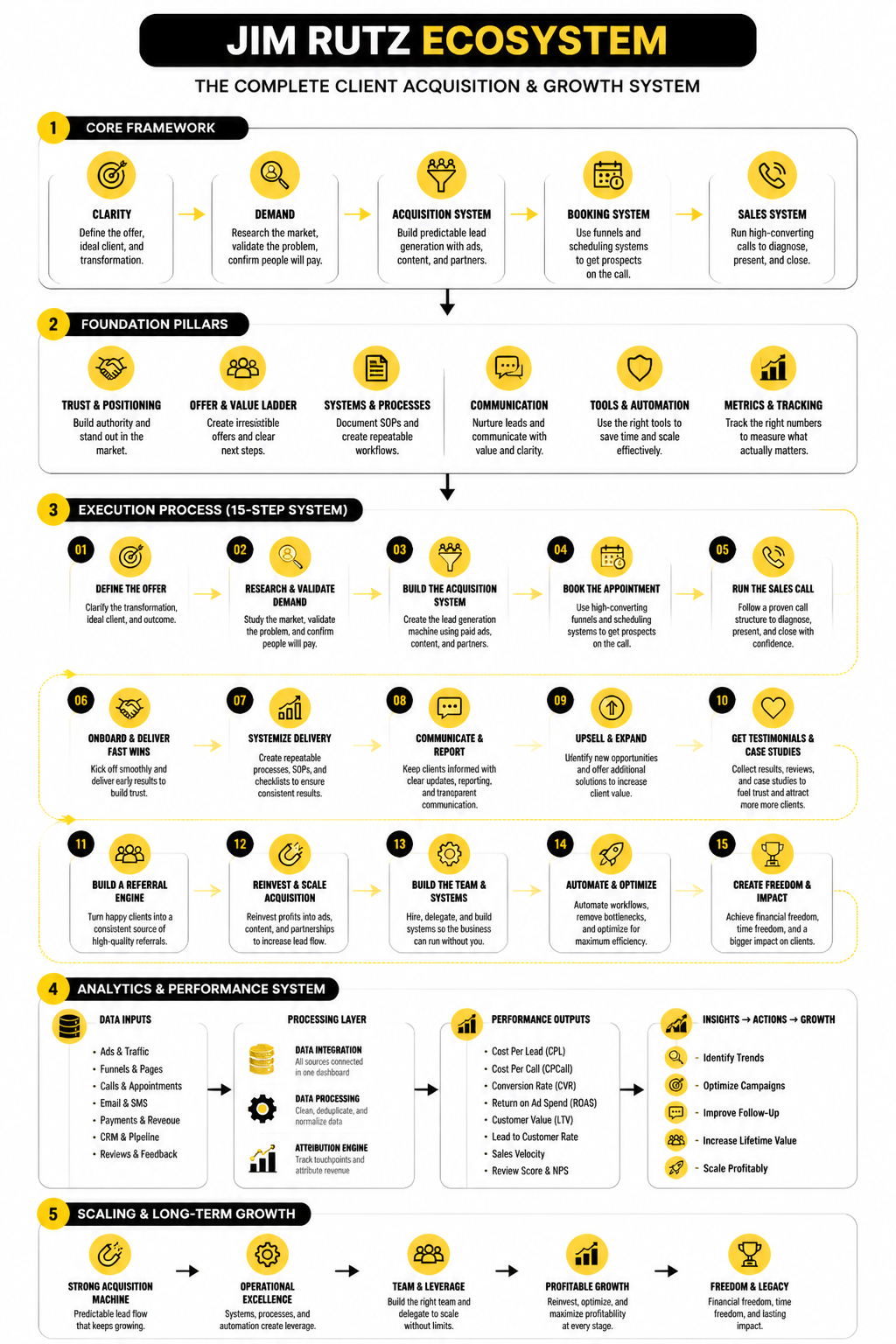
Next, in Part 6, we will conclude with a FAQ and practical guidance section that synthesizes Rutz’s strategies for direct application in 2026 marketing campaigns.
1. Who was Jim Rutz?
Jim Rutz was a legendary direct response copywriter known for creating bold, high-converting sales copy and innovative marketing campaigns that defined the industry. His work influenced generations of marketers and continues to serve as a benchmark in copywriting.
2. Why is Jim Rutz important for marketers today?
Rutz’s techniques teach marketers how to blend psychology, storytelling, and persuasive structure effectively. Even in modern digital channels, his principles of audience engagement and conversion remain relevant.
3. What makes Rutz’s copywriting style unique?
His copy often combined shocking headlines, relatable narratives, and structured problem-solution-transform frameworks. This approach keeps readers engaged and drives measurable action.
4. Can Rutz’s methods work in digital marketing?
Yes. His principles translate to email campaigns, landing pages, social media, and digital funnels. Tools like GoHighLevel or ClickFunnels make applying these techniques to modern channels practical and scalable.
5. How do I craft a Rutz-style headline?
Focus on curiosity, urgency, and emotional resonance. Rutz’s famous “READ THIS OR DIE” exemplifies creating attention-grabbing, compelling openings that compel readers to continue.
6. Is Rutz’s copy ethical given its emotional intensity?
When applied responsibly, it is. Emotional hooks should align with audience needs and product benefits. Ethical persuasion balances engagement with integrity.
7. How do I measure the effectiveness of Rutz-inspired campaigns?
Track metrics like click-through rate, conversion rate, time on page, and revenue per lead. Benchmarking against historical or industry data informs optimization. (briankurtz.net)
8. Should I use performance-based compensation like Rutz did?
Yes. Aligning incentives through royalties or results-based pay encourages high-quality, outcome-focused copy and mirrors practices that made Rutz successful.
9. Can small businesses apply Rutz’s strategies?
Absolutely. Even small-scale campaigns can benefit from structured narratives, clear problem-solving, and bold hooks. The principles are flexible across budget sizes.
10. Where can I study Jim Rutz’s work in depth?
Archived campaigns, swipe files, and case studies are available through resources like briankurtz.net, providing practical examples of his most effective strategies.
11. How do I adapt Rutz’s print-focused strategies to video or social media?
Focus on storytelling, emotional hooks, and clear calls to action. Condense his long-form narrative into visually and emotionally compelling content suitable for the medium.
12. What’s the biggest takeaway from Jim Rutz’s legacy?
The key lesson is integrating creativity with measurable performance. Rutz shows that compelling storytelling, bold messaging, and rigorous testing drive both engagement and revenue.
Build a stronger local presence with BAAM AI
Turn your website, Google profile, social channels, and AI visibility into one growth engine
Most businesses do not need more random marketing activity. They need a consistent presence system that helps the right people find them, trust them, and take action. BAAM AI brings strategy, local SEO, website updates, Google Maps visibility, social content, AI-search readiness, media production, and reporting into one practical monthly engine.
If you want your marketing to keep working after the campaign ends, start with a free BAAM AI presence audit. See how your business shows up today and where the fastest visibility wins are at BAAM AI.