
BAAM AI Blog
Hypnotic Copywriting: How to Mesmerize and Convert with Words
In today’s crowded digital world, the ability to write copy that truly captures attention and drives action is not optional - it’s essential. Hypnotic copywriting is one of the most compelling frameworks in modern...
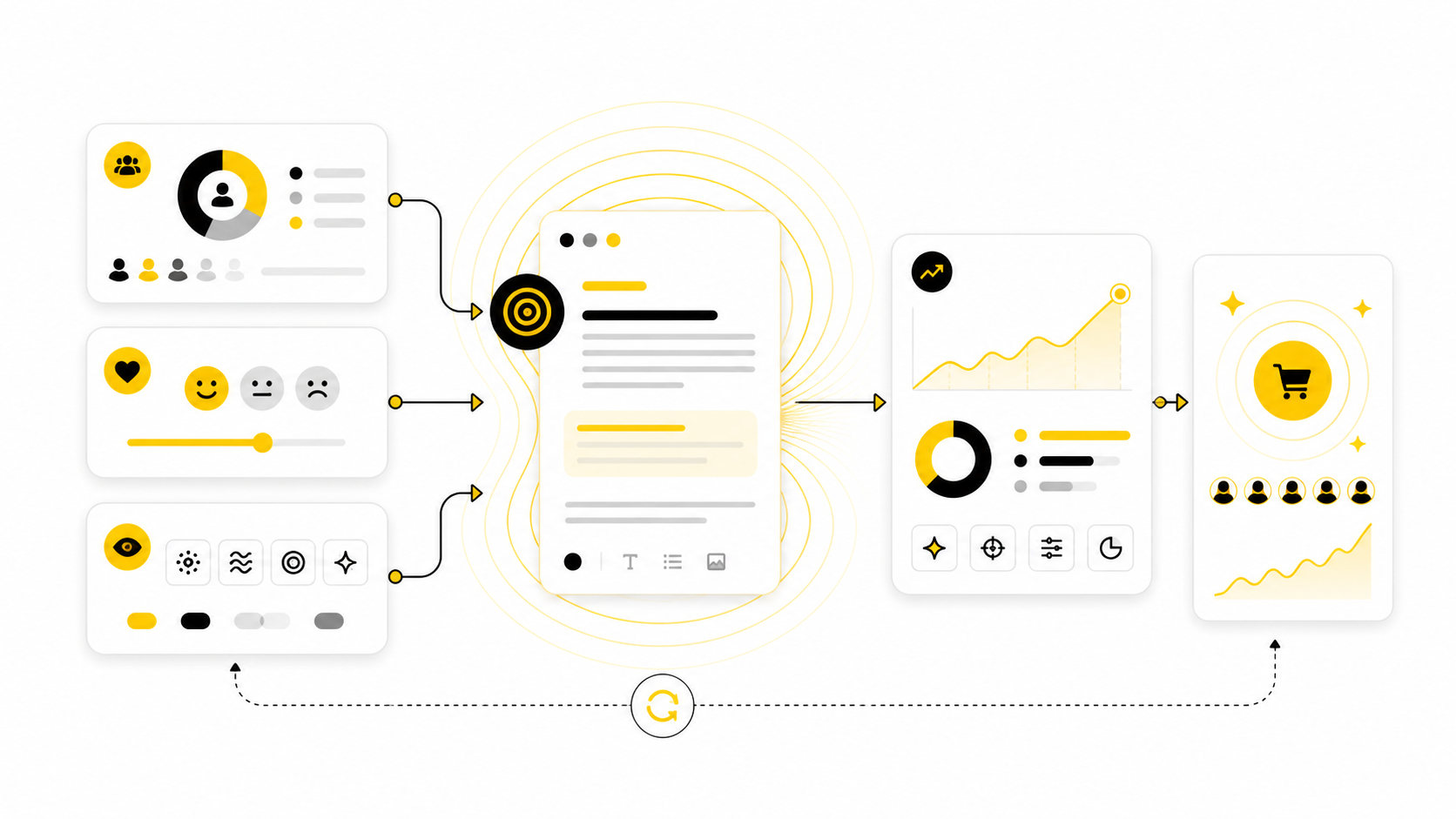
In today’s crowded digital world, the ability to write copy that truly captures attention and drives action is not optional - it’s essential. Hypnotic copywriting is one of the most compelling frameworks in modern marketing because it goes beyond features and benefits. Instead, it taps into the subconscious mind, using language that resonates emotionally, evokes sensory experiences, and gently guides readers toward the desired action.
At its core, hypnotic copywriting blends the psychology of persuasion with storytelling and sensory language to create a “focused mental state” in the reader - not unlike a waking trance - where resistance drops and desire rises.
this guide unpacks the structure behind hypnotic copywriting, explains why it matters in modern marketing, and breaks down the essential components you need to master to craft irresistible copy.
Why Hypnotic Copywriting Matters
In an age where attention spans are shrinking and competition for engagement is fierce, standard persuasive writing - listing benefits and features - often falls flat. Hypnotic copywriting matters because it speaks to the deeper motivations and feelings of your audience rather than just their rational thinking. It does this by using language that resonates on an emotional and subconscious level, creating a narrative the reader can step into as if they were the hero.
When done well, hypnotic copy shifts the reader into a state of focused attention. Rather than scanning for reasons to say “no,” they begin to feel the value of what you’re offering, which increases the likelihood of conversion. This isn’t manipulation - when executed ethically, it’s about connecting your message with what the audience genuinely desires or fears.
Hypnotic Copywriting Framework Overview
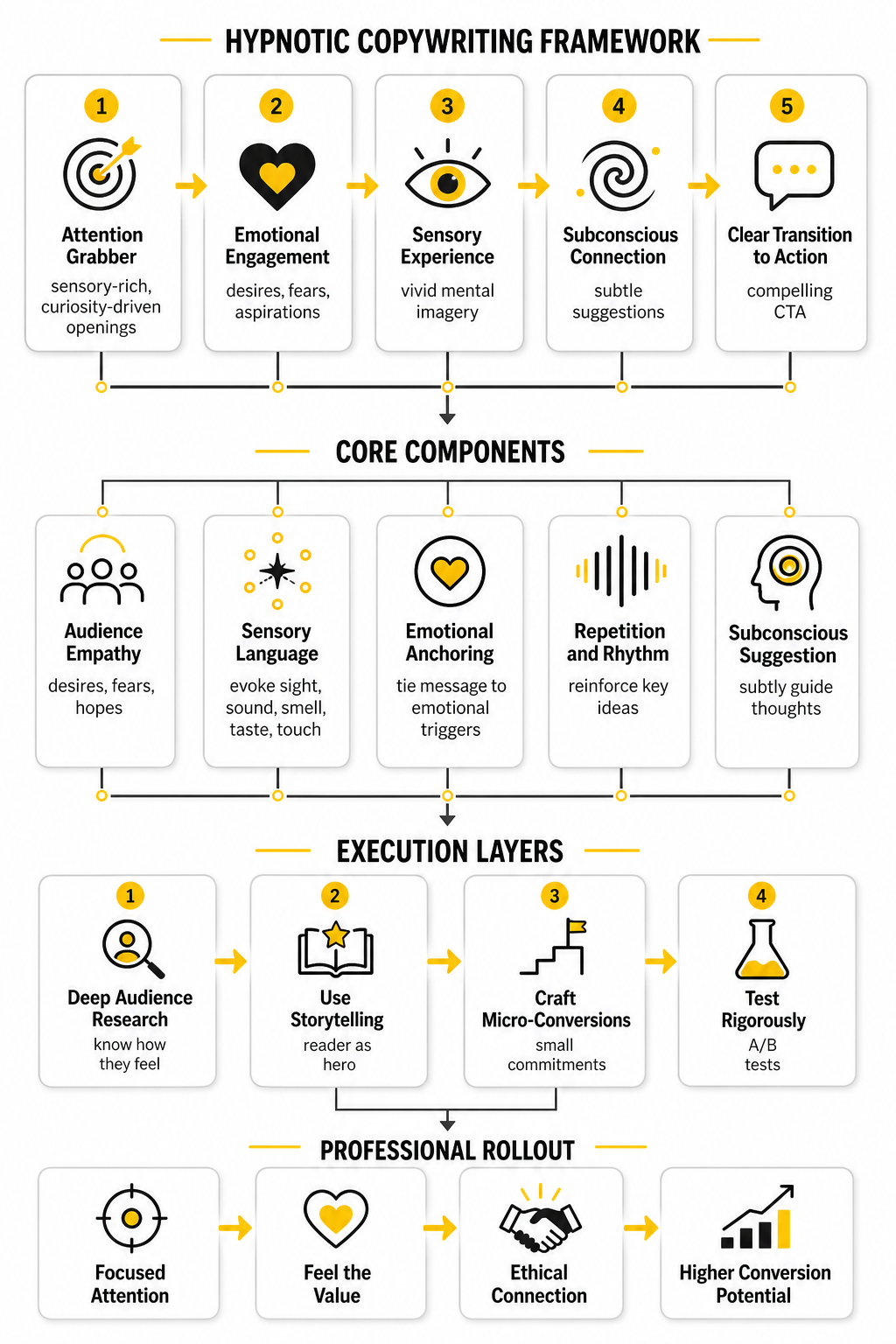
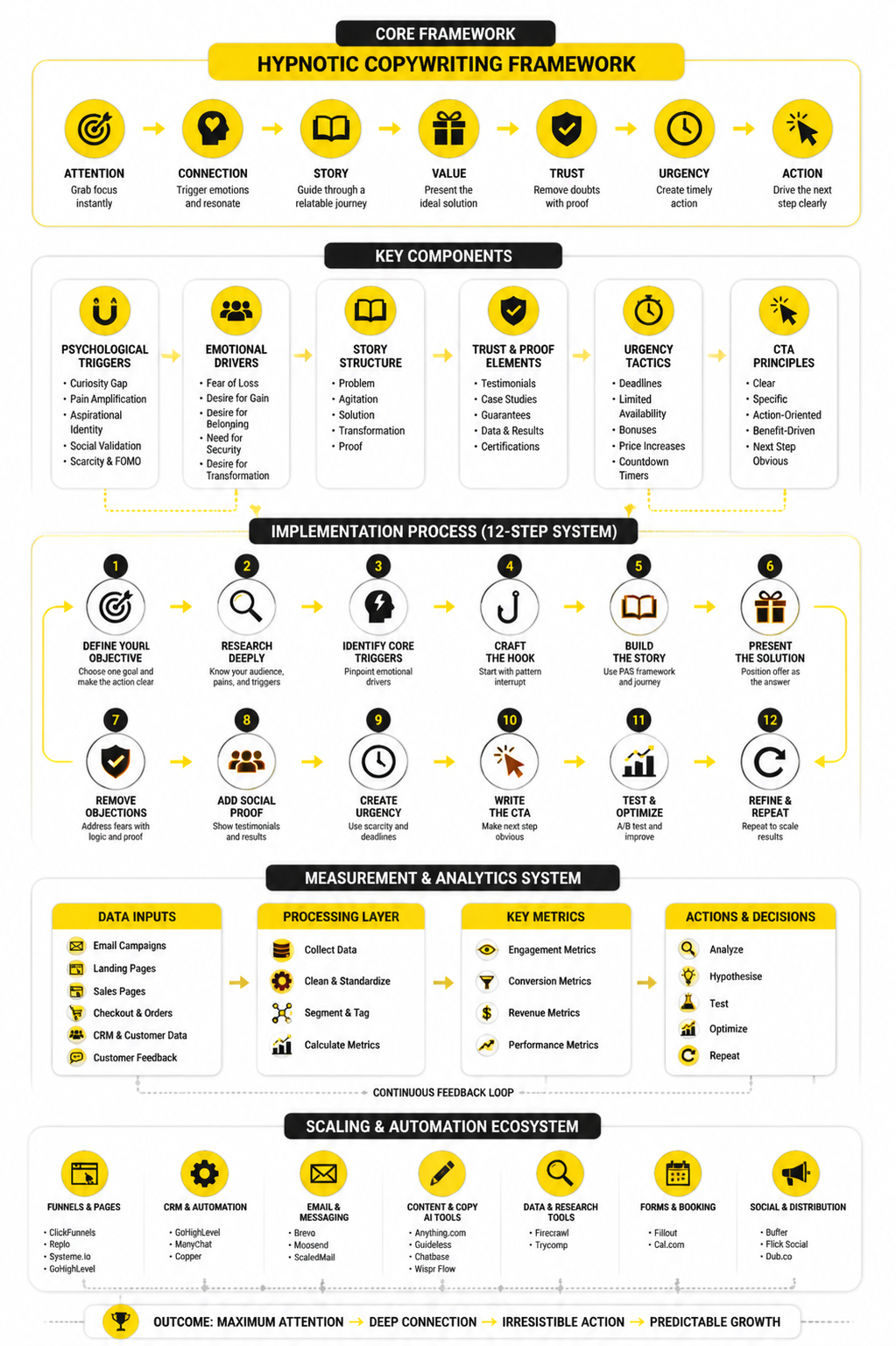
At a high level, hypnotic copywriting follows a framework that aligns psychological triggers with compelling narrative flow. This structure guides the reader from awareness to action in a way that feels natural and emotionally satisfying:
This framework doesn’t rely on gimmicks - it’s rooted in how humans process language and emotion. By aligning with psychological triggers rather than fighting them, hypnotic copy creates joyful engagement and higher conversion potential.
Core Components of Hypnotic Copywriting
To implement hypnotic copywriting effectively, you’ll need to understand its core components. These elements work together to create an experience that feels smooth and irresistible to the reader:
These components aren’t unique to “hypnotic” writing alone - they’re rooted in persuasive psychology - but when blended thoughtfully, they create the mental engagement state hypnotic copywriters aim for.
Sensory Language and the Subconscious
One of the hallmarks of hypnotic copywriting is the use of sensory language. Rather than describing abstract benefits (“premium quality”), it paints experiences that readers can feel in their imagination. For example, instead of saying “comfortable chair,” hypnotic copy might evoke the warmth of cushioned arms and the soothing release of tension as you sink into it. When readers simulate these sensations mentally, the brain’s emotional centers light up as if the experience were real - increasing desire and connection.
This isn’t just poetic - it’s psychological. Research suggests that the neural mechanisms for imagination and real perception overlap significantly, meaning vividly imagined experiences can influence emotions and decision making.
Professional Implementation Strategies
To implement hypnotic copywriting in your marketing effectively:
When these strategies are used ethically - emphasizing transparency and genuine value - hypnotic copywriting becomes a tool for connection, not coercion.
Real‑World Examples and Best Practices
In the next section of this series, we’ll explore real examples of hypnotic copywriting in action - from landing pages to email sequences - and break down exactly how successful campaigns use sensory engagement and subconscious triggers to convert readers. Each example will illustrate how the framework plays out in a live marketing context, offering clear takeaways you can apply to your own writing.
Continue to Part 2 for “Why Hypnotic Copywriting Matters” with deeper case examples and real usage breakdowns.
Why Hypnotic Copywriting Matters
Hypnotic copywriting isn't just about weaving fancy words or using elaborate phrases - it’s a strategic tool designed to bypass the reader’s conscious defenses and speak directly to their subconscious. By using emotional and sensory language, this approach taps into the reader’s deeper desires and emotions, making the message feel more personal and compelling. This is why it’s so powerful in today’s crowded market, where consumers are constantly bombarded with information and have little time to analyze or filter through it all.
The strength of hypnotic copywriting lies in its ability to capture attention and create engagement. It's not just about convincing someone to make a purchase - it's about creating a mental state of focus where they’re naturally inclined to take action. This makes it more effective than traditional copywriting, which often relies on surface-level features or benefits that the reader might ignore.
Incorporating hypnotic elements into your writing is more than just a clever trick - it’s about engaging with your audience at a deeper psychological level. When executed well, it creates a sense of urgency and relevance that propels readers toward making decisions, making them feel as though they’ve been led there by their own internal motivations.
Hypnotic Copywriting Framework Overview
The hypnotic copywriting framework follows a well-structured path that effectively guides the reader through a sequence of mental steps. Each step is designed to engage the subconscious, deepen the emotional connection, and push the reader towards action.
This framework is not about using sleazy tactics or manipulative language. Instead, it’s about crafting your message in a way that aligns with how humans process information and make decisions. When done ethically and thoughtfully, hypnotic copywriting turns ordinary messages into persuasive, irresistible communications.
Core Components of Hypnotic Copywriting
For any copy to truly be hypnotic, several core components must be effectively integrated. These components, when used together, make the message much more compelling and can move the reader from mere awareness to deep engagement.
When these components are carefully interwoven, they create a narrative that feels like a natural progression - leading the reader from curiosity to desire and finally to action. The beauty of hypnotic copywriting is that it doesn’t just tell the reader what to do; it guides them into making the decision themselves.
Continue to Part 3 to learn more about how sensory language and emotional anchoring contribute to hypnotic copywriting success.
Professional Implementation Strategies
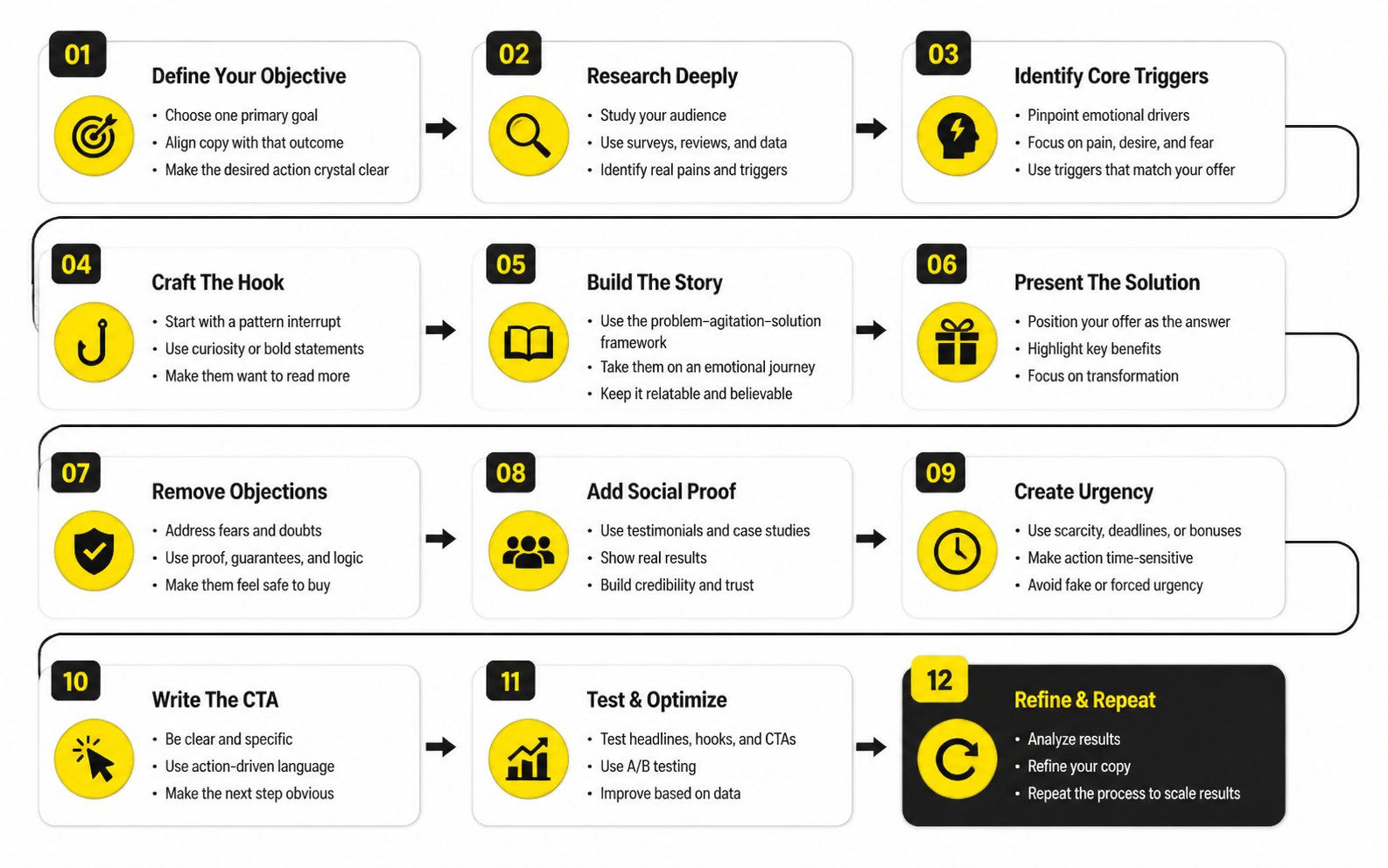
Now that we understand the structure and core components of hypnotic copywriting, it's time to move from theory to practical implementation. This section breaks down how to apply the concepts we've discussed into a concrete process that you can follow every time you write.
The key to success with hypnotic copywriting is staying focused on your audience's emotions and desires while using a carefully designed process to guide them step by step toward conversion. Here’s how to approach it:
Step 1: Know Your Audience Inside and Out
Before you can begin writing hypnotic copy, you need to understand your audience's deepest wants, needs, fears, and desires. This isn’t about demographics; it’s about psychology. What emotions drive their decisions? What keeps them up at night? What do they truly want to achieve, even if they’re not fully aware of it?
To get this right, you need to invest time in audience research. Use surveys, interviews, and data from past campaigns to identify the core motivations of your ideal customer. Once you have this information, you can start crafting your messaging to speak directly to those motivations.
Step 2: Craft Your Attention Grabber
Once you’ve identified what resonates with your audience, it’s time to create an attention-grabbing hook that makes them stop scrolling. A good hook should spark curiosity or touch on something the reader deeply cares about.
For example, if you’re writing for a weight loss program, you could start with a line like, "Imagine dropping 20 pounds in just six weeks without ever stepping foot in a gym." This taps into the audience's desire for an easy solution and instantly catches their attention.
Step 3: Engage Their Emotions
The next step is to emotionally engage your audience by acknowledging their pain points and aspirations. Hypnotic copy is powerful because it taps into the reader's emotional state. For example, if you're selling a productivity tool, don’t just talk about its features. Instead, highlight how it will help them overcome feelings of frustration or overwhelm by giving them more control over their time.
Using sensory language can help here too. Instead of writing, “This planner helps you get organized,” write, “Feel the satisfaction as your daily tasks fall into place effortlessly, leaving you with more free time to enjoy life.” This paints a picture that your audience can relate to emotionally.
Step 4: Use Subconscious Suggestions
At this stage, you’ve already started building a mental connection with the reader. Now it’s time to softly guide them toward a decision. This is where subtle subconscious suggestions come into play.
For example, instead of saying, "Buy now!" you might say, "Imagine how much easier life will feel when you have everything organized and under control." This isn't just a simple command; it’s a suggestion that resonates with their desires for simplicity and order.
This step is critical because it works with the subconscious mind, which often makes decisions before the conscious mind even realizes it.
Step 5: Lead Them to a Clear Call to Action
Finally, after leading the reader through these stages, it’s time to get them to take action. The call to action (CTA) needs to be clear, compelling, and action-oriented. For instance, instead of simply writing, "Sign up here," try something like, "Start your journey toward a stress-free life now." This makes the reader feel that signing up is the first step to achieving their goals.
The CTA should feel like a natural conclusion to the narrative you've built. By this point, the reader is emotionally invested and is more likely to follow through.
Testing and Optimizing Hypnotic Copy
One key to success with hypnotic copywriting is testing and optimization. Not every piece of copy will hit the mark immediately, so it's important to experiment with different variations of your message. Use A/B testing to test headlines, emotional triggers, sensory descriptions, and calls to action.
By closely monitoring the performance of your campaigns, you can refine your approach and make adjustments that improve your results.
Hypnotic copywriting isn’t about a one-size-fits-all formula. It’s about understanding your audience, engaging their emotions, and crafting a message that resonates deeply. When implemented strategically, the process can turn a simple message into a persuasive, conversion-driving powerhouse.
Measuring Hypnotic Copywriting Success
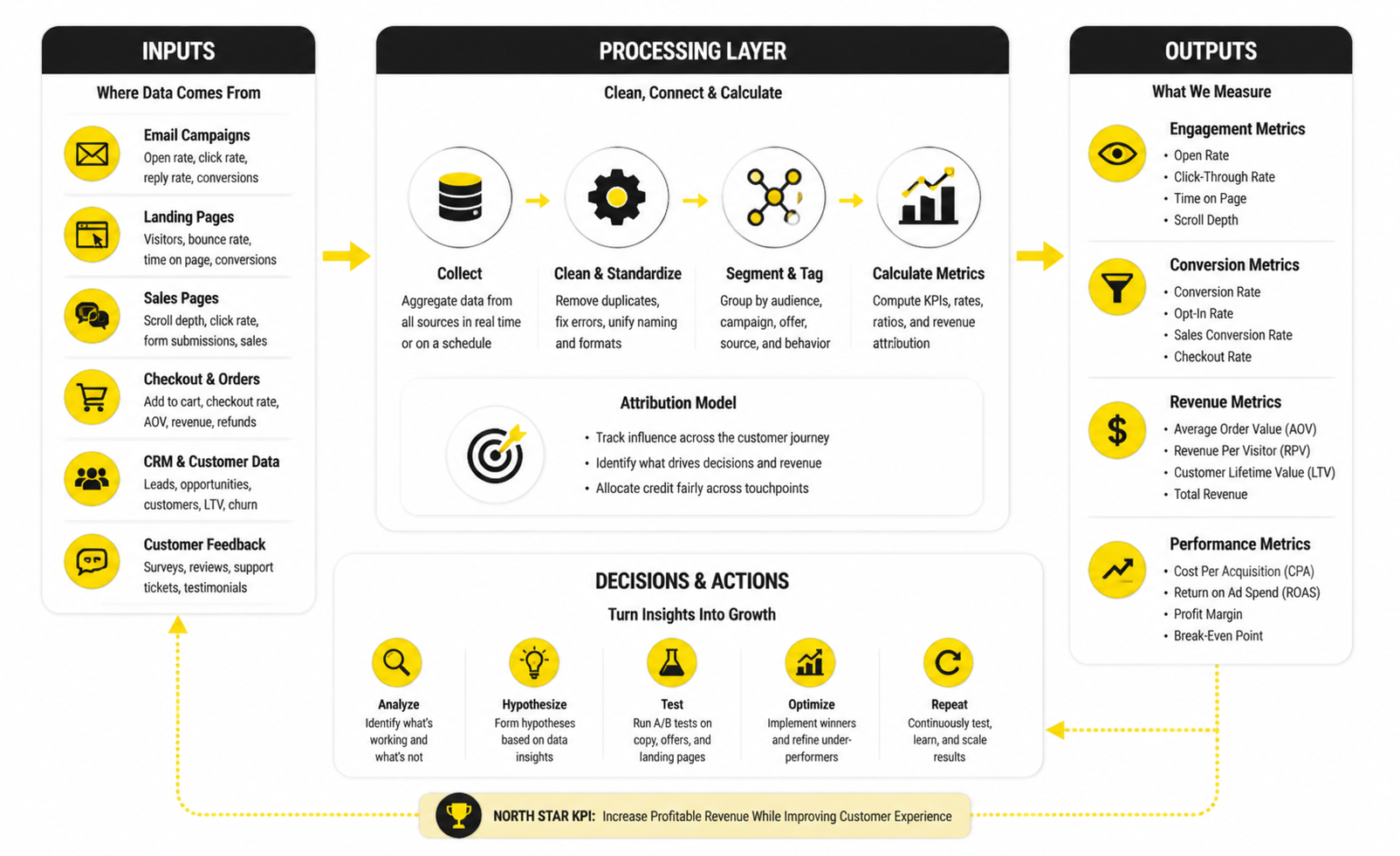
Once you've implemented your hypnotic copywriting strategy, the next critical step is to measure its effectiveness. Simply writing compelling content isn’t enough - you need to track performance, understand the metrics, and interpret the data to continuously improve your approach.
Key Performance Indicators (KPIs) in Hypnotic Copywriting
Here are some of the essential metrics to track when evaluating your hypnotic copywriting:
The ultimate goal of hypnotic copywriting is to move your reader toward a specific action - whether it's making a purchase, signing up for a newsletter, or clicking a link. The conversion rate is the percentage of readers who complete that action after interacting with your content. A higher conversion rate indicates that your copy is successfully influencing readers at the subconscious level, aligning their desires with your offer. If your conversion rate is low, it’s time to tweak your calls to action, emotional triggers, or sensory language to increase engagement.
This metric measures how many readers clicked on a link or call to action compared to how many saw it. If your CTR is low, it suggests that your attention grabbers and emotional engagement aren’t compelling enough to inspire action. Consider revisiting the emotional hooks you’re using in your copy. Are they addressing the reader’s pain points or desires effectively?
Bounce rate refers to the percentage of visitors who leave your page without interacting with it. A high bounce rate might indicate that your opening lines or hooks are failing to hold the reader’s attention. Hypnotic copywriting aims to hook the reader instantly, so if your bounce rate is high, consider adjusting the first few lines of your content to make them more engaging and promise value.
Beyond clicks and conversions, measuring engagement is important. Metrics such as time spent on the page, social shares, comments, and likes give insight into how deeply your audience connects with your content. Hypnotic copywriting should inspire a deeper emotional connection, so higher engagement can be an indicator that your copy is resonating.
Tools like heatmaps show where users are clicking, scrolling, and focusing their attention. If your CTA button is being overlooked, or if readers aren’t engaging with key sections of your copy, this visual data can help you pinpoint areas for improvement. Adjusting the positioning of important elements based on heatmap insights can help optimize your page for higher engagement and conversions.
Interpreting the Data
Once you’ve gathered your data, the next step is to interpret what it means. Numbers alone don’t tell the full story, and how you analyze and act on the data is what truly drives results.
For example, if you have a low conversion rate but a high CTR, this could suggest that your readers are interested in your offer but the landing page or sales process isn’t aligning with their expectations. In this case, your copy might need to be more aligned with the user journey from interest to purchase.
On the other hand, a high bounce rate paired with low engagement can be an indicator that your messaging isn’t speaking to the audience’s core needs or emotions. This may require a revisit of your opening lines or a shift in tone to better capture attention.
The important thing is to test, refine, and iterate. Hypnotic copywriting isn’t a one-size-fits-all solution. It’s an evolving process that requires constant optimization based on data and feedback.
Actionable Steps Based on Analytics
Here’s how to use the data to take actionable steps:
Hypnotic copywriting is about constantly fine-tuning and understanding what resonates with your audience. The more data you gather, the more you can refine your writing, leading to stronger engagement, better conversions, and ultimately, greater success.
In Part 5, we’ll explore real-world examples and best practices for implementing hypnotic copywriting in your marketing strategy.
Advanced Considerations and Expert-Level Guidance
At this stage, we've covered the foundational principles of hypnotic copywriting and how to implement them effectively. But as with any powerful tool, there are advanced considerations that can help refine your strategy, improve scalability, and mitigate risks. Hypnotic copywriting isn't a one-size-fits-all solution, and certain strategic trade-offs should be made as you scale your efforts. Let’s dive deeper into these expert-level considerations.
Scaling Hypnotic Copywriting for Larger Campaigns
One of the main challenges when scaling hypnotic copywriting is maintaining the emotional resonance across a broader audience. While personalized language may work well for one-on-one interactions or small segments, scaling it for larger groups can dilute its power if not handled correctly. Here’s how to scale it effectively:
The Risks of Overuse in Hypnotic Copywriting
Hypnotic copywriting is undeniably effective, but if overused or improperly applied, it can backfire. Here are some potential risks to keep in mind:
Measuring the Long-Term Impact
While immediate metrics like conversion rates and click-through rates are essential, it's equally important to measure the long-term impact of your hypnotic copywriting efforts. Here’s what to track:
Ethical Considerations in Hypnotic Copywriting
While hypnotic copywriting can be highly effective, it’s critical to maintain ethical standards. Hypnotic language can influence but should not manipulate. Always ensure that your messaging is transparent, respectful, and offers real value. Here are a few guidelines for ethical hypnotic copywriting:
Final Thought
Hypnotic copywriting is a powerful tool for driving engagement, conversions, and brand loyalty. But it’s not a magic trick - it’s about understanding human behavior, leveraging emotions and sensory experiences, and always being mindful of your audience’s true needs. As you scale, refine, and optimize your copy, keep in mind that success doesn’t just come from clever language; it comes from authentic connection.
In Part 6, we’ll answer frequently asked questions and wrap up this guide with a final review of key takeaways.
1. What is hypnotic copywriting?
Hypnotic copywriting is a style of writing designed to influence readers at an emotional and subconscious level. It uses psychological techniques, sensory language, and emotional engagement to guide readers toward a specific action, such as making a purchase or subscribing to a service.
2. How does hypnotic copywriting differ from regular copywriting?
While regular copywriting focuses on presenting information and selling directly, hypnotic copywriting taps into the subconscious mind, using sensory and emotional language to create a deeper, more compelling connection with the reader. It aims to influence feelings and desires subtly, leading to higher engagement and conversion.
3. Can hypnotic copywriting be used in all types of marketing?
Yes, hypnotic copywriting can be applied in a variety of marketing channels, including websites, email campaigns, social media posts, advertisements, and sales pages. It works well in any context where you aim to create a connection with the audience and inspire action.
4. How do I ensure my hypnotic copy is ethical?
To maintain ethical standards, ensure that your copy is clear, transparent, and does not mislead the reader. Avoid making exaggerated claims or over-promising results. Focus on providing real value and understanding your audience's true needs rather than manipulating them.
5. What are the most important psychological triggers in hypnotic copywriting?
Some of the key psychological triggers include:
6. How can I measure the effectiveness of my hypnotic copywriting?
The effectiveness can be measured through metrics like conversion rates, click-through rates (CTR), engagement (comments, shares, likes), and bounce rates. These metrics will show how well your copy captures attention and moves the reader toward taking action.
7. Should I use hypnotic copywriting in every piece of content?
No, not every piece of content requires hypnotic techniques. It's best suited for specific moments when you want to drive a high level of engagement, such as landing pages, product descriptions, and promotional emails. Use it strategically rather than in every piece of content.
8. Can hypnotic copywriting backfire?
Yes, it can if it’s overused or misapplied. If the reader feels manipulated, it can damage trust and lead to buyer’s remorse. It’s essential to strike a balance between persuasion and authenticity to ensure a positive outcome.
9. How do I maintain personalization in hypnotic copywriting at scale?
To maintain personalization while scaling, segment your audience into distinct groups based on their needs and behaviors. Tailor your messaging for each group while keeping the core principles of hypnotic copywriting intact. Automation tools, such as email sequences and dynamic ad content, can also help personalize at scale.
10. What are some common mistakes to avoid when using hypnotic copywriting?
Build a stronger local presence with BAAM AI
Turn your website, Google profile, social channels, and AI visibility into one growth engine
Most businesses do not need more random marketing activity. They need a consistent presence system that helps the right people find them, trust them, and take action. BAAM AI brings strategy, local SEO, website updates, Google Maps visibility, social content, AI-search readiness, media production, and reporting into one practical monthly engine.
If you want your marketing to keep working after the campaign ends, start with a free BAAM AI presence audit. See how your business shows up today and where the fastest visibility wins are at BAAM AI.