
BAAM AI Blog
Advanced Tradeoffs When The Stack Starts To Scale
Once the basic system works, the next challenge is not finding more digital marketing products. The challenge is deciding which tradeoffs are worth accepting as the business grows. More scale usually means more...
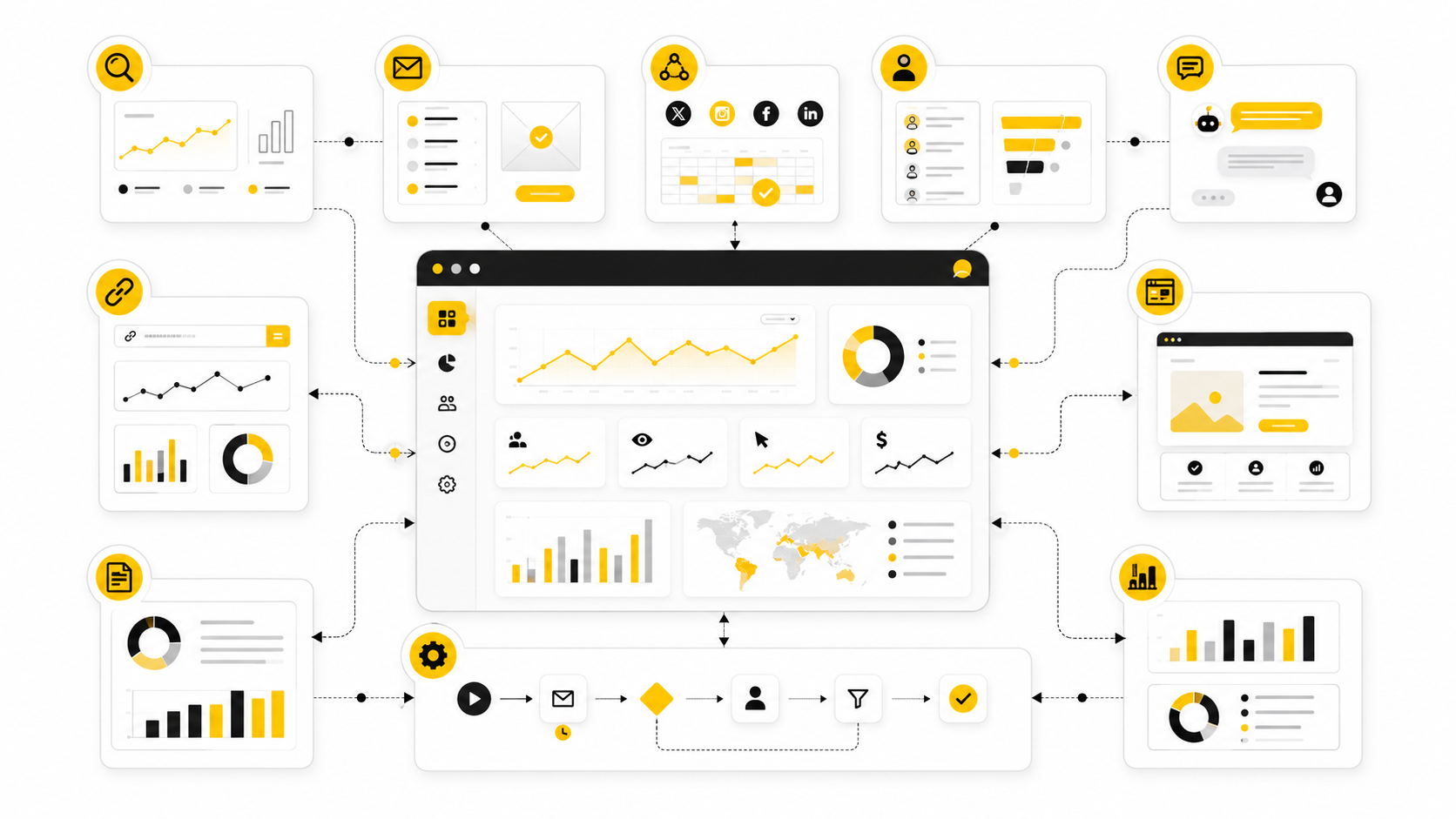
Once the basic system works, the next challenge is not finding more digital marketing products. The challenge is deciding which tradeoffs are worth accepting as the business grows. More scale usually means more channels, more data, more permissions, more workflows, more reporting pressure, and more ways for the stack to break.
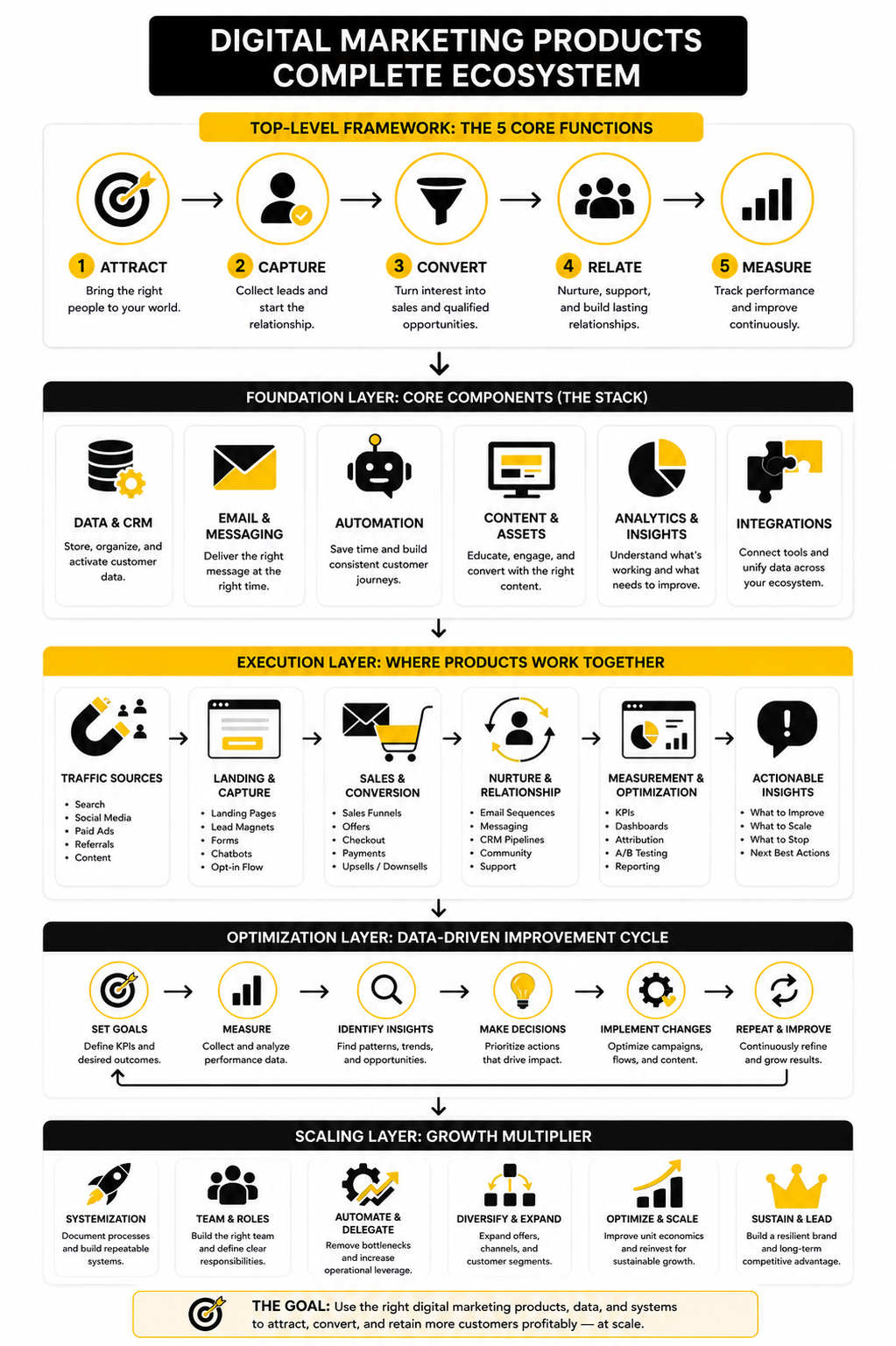
This is where beginner advice stops being useful. At a small scale, almost any reasonable tool can work if the offer is strong and the workflow is simple. At a higher scale, the cracks become more expensive. A messy tag structure becomes bad segmentation. Weak attribution becomes wasted spend. Poor permissions become risk. Manual handoffs become operational drag.
The goal is not to build the most complex stack possible. The goal is to build a stack that can absorb growth without turning every campaign into a custom rescue mission. That requires a different way of thinking.
All-In-One Versus Best-In-Class
The all-in-one versus best-in-class decision is one of the biggest strategic choices in digital marketing products. All-in-one platforms reduce tool sprawl, simplify training, and keep more workflows under one roof. Best-in-class stacks give teams more specialized control, deeper functionality, and more flexibility for complex use cases.
An all-in-one setup can be the smart move for agencies, local services, coaches, consultants, and lean teams that need speed more than custom architecture. GoHighLevel fits this kind of workflow because CRM, funnels, calendars, automations, pipelines, messaging, and reporting can live close together. That matters when the team wants fewer handoffs and faster execution.
A best-in-class stack can make more sense when the business has specialized requirements. Ecommerce teams may want Replo for campaign landing pages, a dedicated retention platform, a separate analytics layer, and a more advanced testing process. B2B companies may prefer a tighter CRM-sales workflow, deeper enrichment, advanced attribution, and specialized customer success systems.
There is no morally superior option here. All-in-one is not automatically amateur. Best-in-class is not automatically advanced. The right choice depends on the complexity of the business, the skill of the team, the number of workflows, and the cost of switching later.
The Hidden Cost Of Tool Sprawl
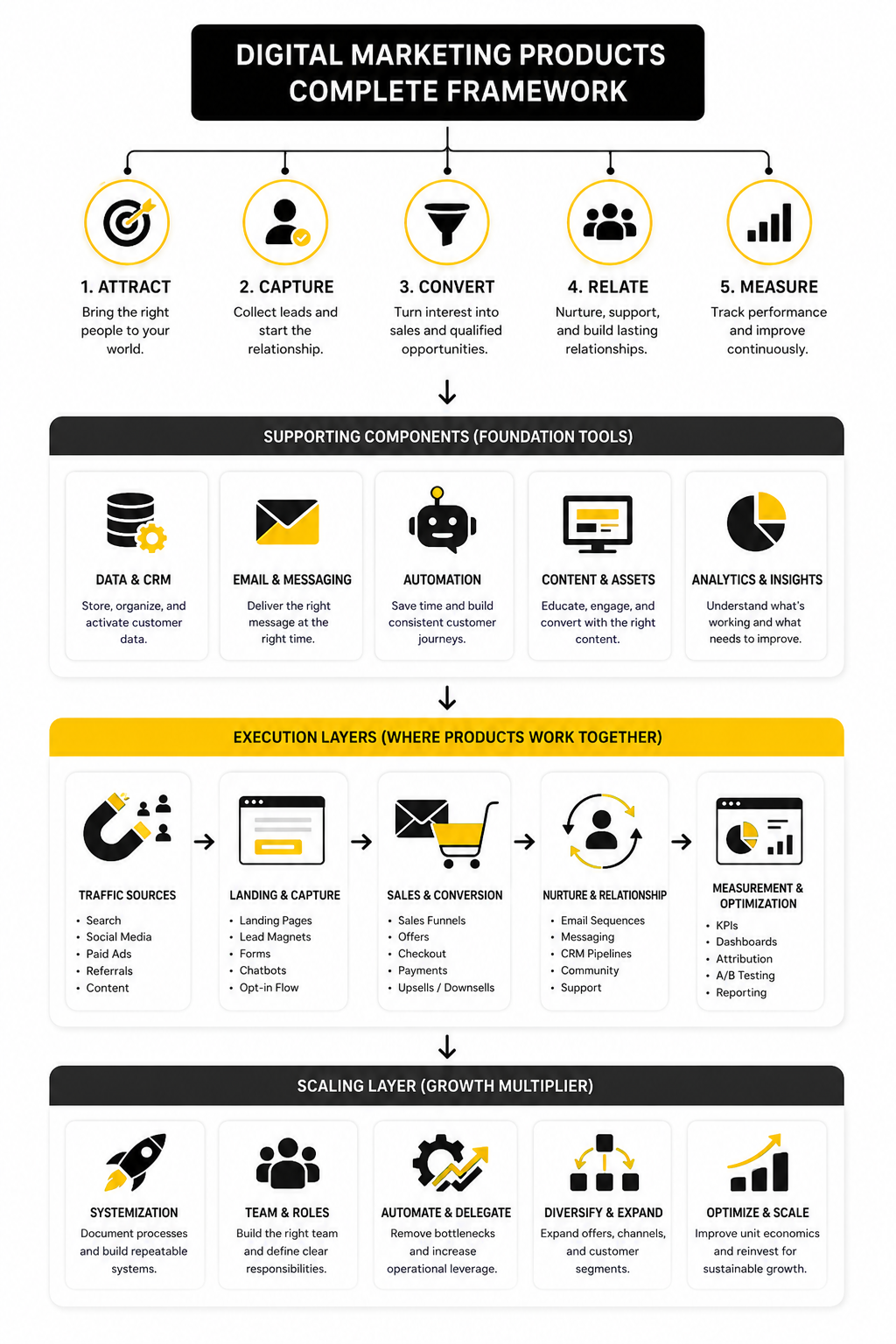
Tool sprawl does not happen all at once. It happens when every new problem gets a new subscription. One tool for forms. One for scheduling. One for pages. One for email. One for links. One for AI writing. One for chat. One for reporting. One for internal notes. Then six months later, nobody knows which tool owns which truth.
The 2025 martech landscape counted 15,384 marketing technology products, so the temptation is not going away. There will always be another product promising faster content, more carefully automation, cleaner attribution, or easier personalization. Some of those products will be genuinely useful. Many will be distractions.
The danger is not just subscription cost. The real cost is coordination. Every extra product creates training time, data movement, permission management, vendor risk, documentation needs, and potential workflow failure. This is why a smaller, well-owned stack usually beats a larger stack nobody fully understands.
Data Quality Becomes The Growth Constraint
At the beginning, a business can survive with imperfect data. A founder can remember where leads came from, manually fix mistakes, and keep the system moving. As volume grows, that stops working. Data quality becomes the constraint.
MarTech’s 2025 State of Your Stack survey found that 65.7% of respondents named data integration as one of their biggest stack management challenges. That number matters because integration is not a technical side issue. It directly affects segmentation, personalization, reporting, automation, sales handoff, and customer experience.
Bad data makes good digital marketing products look worse than they are. An email platform cannot segment properly if tags are inconsistent. A CRM cannot forecast accurately if stages are sloppy. A chatbot cannot personalize answers well if its source content is outdated. An attribution tool cannot guide budget if campaign tracking is chaotic.
AI Raises The Bar For Data Discipline
AI features are now being built into almost every marketing product, but AI does not remove the need for discipline. It increases it. The better your data, content, permissions, and workflows, the more useful AI becomes. The messier your system, the more likely AI is to generate confident nonsense or automate the wrong action.
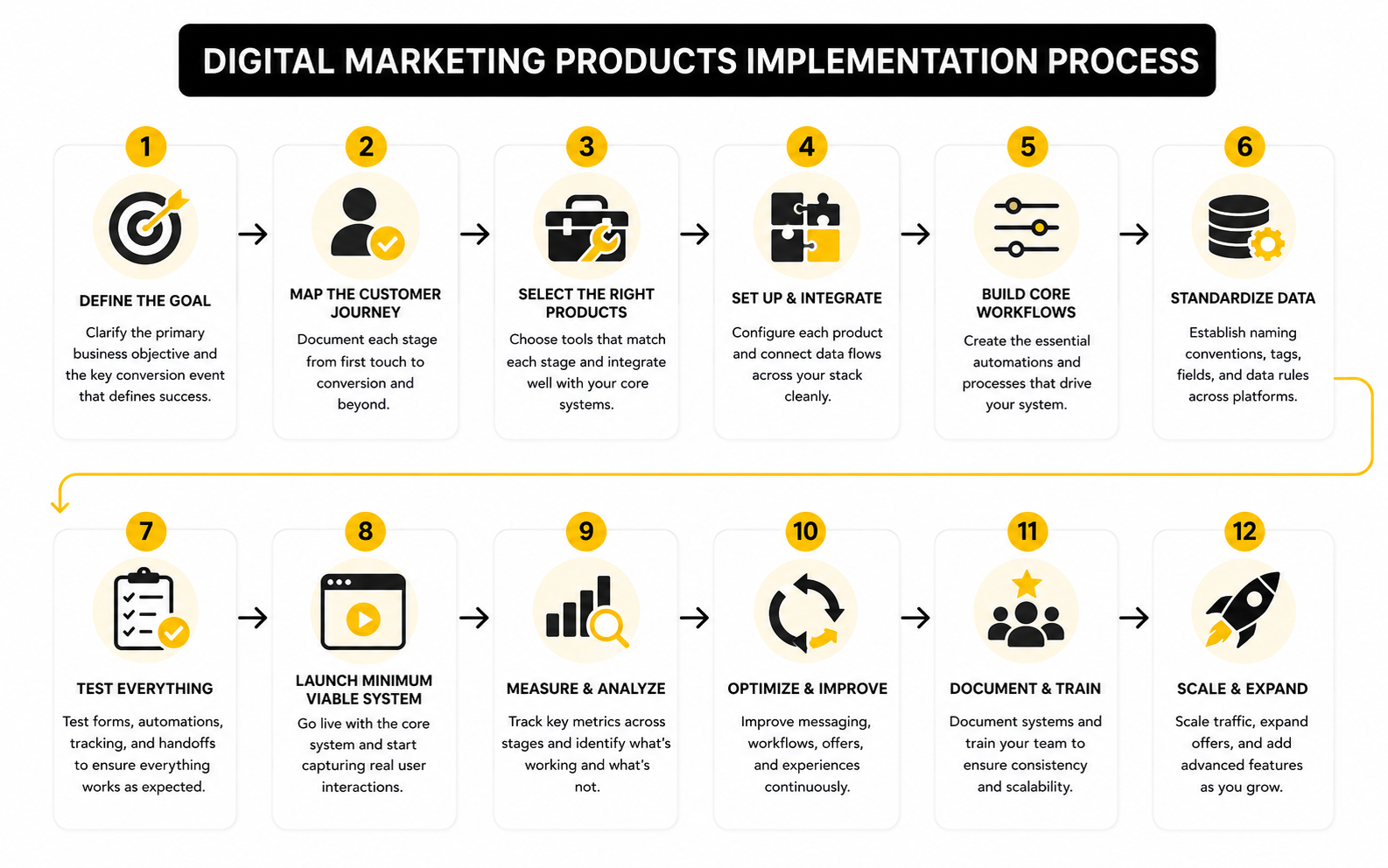
The State of Martech 2025 report found that 87.5% of respondents were using AI assistants in their marketing, which shows how quickly AI has moved from novelty to normal workflow. That does not mean every AI workflow is mature. Many teams are still using AI mostly for drafting, summarizing, brainstorming, and content variation rather than deeply integrated decision-making.
This is the practical takeaway: treat AI as an accelerator, not a strategy. Use it to speed up research, drafts, segmentation ideas, customer support, reporting summaries, and campaign variations. But do not let it make unchecked decisions in areas where bad data, compliance risk, or brand damage would be expensive.
Personalization Has A Trust Problem
Personalization can improve relevance, but it can also become creepy, invasive, or legally risky when done badly. The line is not always technical. It is emotional. Customers may appreciate a helpful recommendation, but they may reject the same tactic if it feels like surveillance.
Salesforce’s State of Marketing research highlights AI, data, and personalization based on insights from nearly 4,500 marketers worldwide, and the pressure is obvious. Marketers want more relevant journeys, but relevance depends on usable customer data, consent, trust, and clean execution. Personalization without trust is not a competitive advantage. It is a liability.
This is why data collection should be intentional. Do not collect everything just because a tool allows it. Collect what helps you serve the customer better, sell more ethically, or improve the experience. Then make sure the customer gets a clear benefit from sharing that information.
Privacy, Consent, And Compliance Are Stack Decisions
Privacy is not just a legal policy buried in the footer. It affects which digital marketing products you choose, how you configure them, what data you collect, how long you keep it, who can access it, and what happens when someone opts out. This becomes especially important when the stack includes AI, messaging automation, tracking links, customer profiles, and cross-channel personalization.
Consent needs to be respected across the system. If someone unsubscribes from email, the business should not keep pushing them through a sloppy workaround. If someone opts out of SMS, that preference must be honored. If a lead submits sensitive information through a form, the team needs to know where that data goes and who can see it.
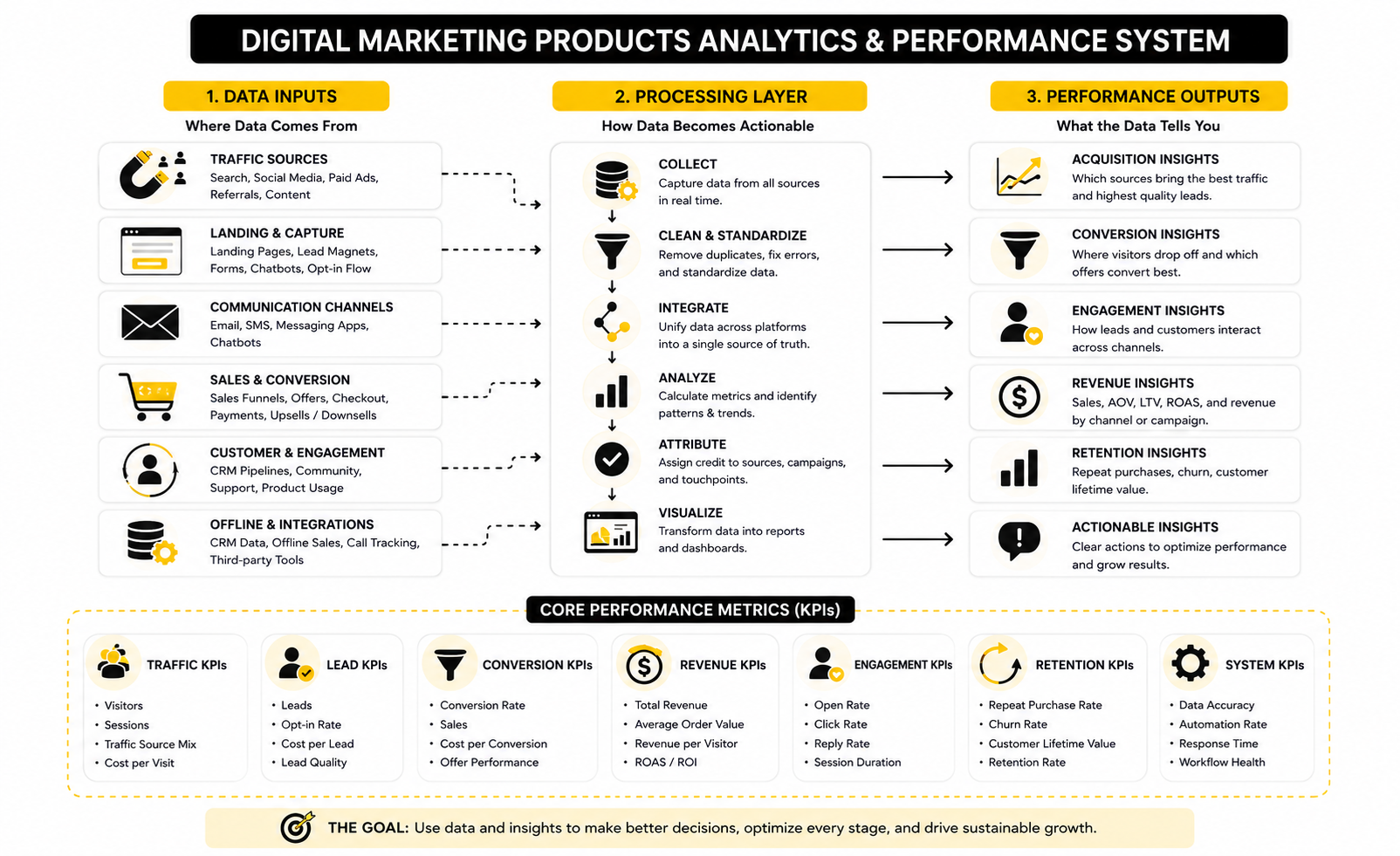
The practical approach is simple. Keep permissions clean, avoid unnecessary data collection, document the core data flows, and make sure the team understands the difference between helpful follow-up and intrusive tracking. A stack that cannot respect customer preferences should not be scaled.
Vendor Lock-In Is Not Always Bad
Vendor lock-in gets treated like a dirty word, but the reality is more nuanced. Some lock-in is the price of operational simplicity. If one platform runs your CRM, funnels, messaging, and automation, switching later may be painful. But if that platform helps the business move faster for years, the tradeoff may be worth it.
The dangerous version of lock-in happens when the business cannot export important data, cannot understand how workflows are built, or cannot operate without undocumented custom fixes. That is not strategic lock-in. That is dependency. It becomes a risk when pricing changes, product quality drops, support weakens, or business needs evolve.
Before committing deeply to any product, check the basics. Can you export contacts and key customer data? Can you document workflows clearly? Can another team member understand the setup? Can the business keep running if a tool has downtime? Can you replace one layer without rebuilding everything from zero?
Scaling Requires Governance, Not Bureaucracy
Governance sounds heavy, but it does not need to be. In a marketing stack, governance simply means clear rules for how tools, data, campaigns, permissions, and reporting are managed. It is how teams prevent chaos as more people touch the system.
A lightweight governance system can include:
This is not bureaucracy. This is how you protect speed. Without governance, every new campaign becomes slower because people have to rediscover how the system works. With governance, the team can move faster because the rules are already clear.
When To Upgrade, Replace, Or Consolidate
A product should be upgraded when the current version is working but capacity has become the limit. Maybe you need more contacts, better reporting, additional users, advanced automation, or stronger support. Upgrading makes sense when the workflow is proven and the higher tier removes a real bottleneck.
A product should be replaced when it no longer fits the business model, creates recurring friction, lacks critical functionality, or slows the team down. Replacement is more painful than upgrade, so it needs a clear reason. Do not switch platforms because of boredom. Switch because the business has outgrown the old operating model.
A product should be consolidated when overlap creates confusion. If two tools can send email, three tools can host forms, and four tools claim to track attribution, the team needs to decide which one owns the job. Consolidation is not about minimalism for its own sake. It is about making the system easier to operate and easier to trust.
The Expert Rule: Build For The Next Stage, Not The Fantasy Stage
The worst stack decisions come from building for an imaginary future. A solo founder buys enterprise tools because they plan to “scale soon.” A small team creates a complicated best-in-class architecture before they have reliable acquisition. An agency adds advanced reporting before its basic pipeline hygiene is stable.
Build for the next stage instead. If you are manual, build the first repeatable workflow. If you have repeatable workflows, standardize them. If they are standardized, automate the highest-value parts. If automation is working, improve measurement. If measurement is reliable, scale the channels that prove they can produce profitable demand.
This is the calm way to grow. No panic buying. No tool hoarding. No pretending the stack is strategy. Digital marketing products are there to support the business model, not replace it.
Build a stronger local presence with BAAM AI
Turn your website, Google profile, social channels, and AI visibility into one growth engine
Most businesses do not need more random marketing activity. They need a consistent presence system that helps the right people find them, trust them, and take action. BAAM AI brings strategy, local SEO, website updates, Google Maps visibility, social content, AI-search readiness, media production, and reporting into one practical monthly engine.
If you want your marketing to keep working after the campaign ends, start with a free BAAM AI presence audit. See how your business shows up today and where the fastest visibility wins are at BAAM AI.